

23h •
AI Agent Tutorial
Meeting Recording: Session Recording by @Tamanna Zahan This session focused on using AI tools to simplify and accelerate business building, especially for wellness entrepreneurs creating or refining their offers. Rather than starting from scratch or getting stuck in perfectionism, the approach emphasized using structured assets—like one-page plans, brand kits, and chatbots—to quickly generate clarity and momentum. The AI tools act as collaborative assistants, helping translate ideas into tangible outputs such as branding, sales scripts, and onboarding materials. A key theme was reducing overwhelm by focusing only on the next necessary step, whether that’s building a brand kit, organizing assets, or refining an existing club, instead of trying to complete everything at once. Key Takeaways - AI tools can rapidly turn ideas into usable business assets. - Starting simple reduces overwhelm and builds momentum faster. - Brand clarity comes from structured inputs, not endless tweaking. - Chatbots can support sales, onboarding, and content creation. - Progress happens by focusing on the next step, not the whole system. Next Steps - Complete or refine your one-page business plan or core offer outline. - Use the brand kit chatbot to generate your initial visual identity. - Organize your assets using the tracker or templates provided. - Test one AI tool (sales script, branding, or onboarding) in your workflow. - Share your work for feedback instead of trying to perfect it alone. Watch Recording: VIMEO LInk
2
0
4d •
Build Your Classroom
Meeting Recap 05-01-2026, Session by @Jennifer White This session focused on designing a clear, supportive onboarding experience that bridges the gap between enrollment and active participation—especially within longer, year-long programs. While sales conversations help ensure the right fit, the real retention and transformation begin after a member joins. The discussion highlighted the need for simple, structured onboarding that reduces confusion (especially for less tech-savvy members) and maintains engagement during waiting periods. Rather than overplanning an entire year, the emphasis was on creating flexible, repeatable communication rhythms, using consistent touchpoints like emails and orientation tasks to guide members step-by-step into the program and community. Key Takeaways - A strong onboarding process is essential for retention and early engagement. - Simplicity and clarity matter more than complex or fully pre-built systems. - Regular, predictable communication builds trust and momentum. - Year-long programs require flexible planning rather than rigid structures. - Engagement during waiting periods needs intentional nurturing. Next Steps - Map out your first 2–4 weeks of onboarding instead of the full year. - Create a simple communication rhythm (e.g., weekly emails or check-ins). - Design a clear “first steps” experience for new members to reduce confusion. - Add light engagement touchpoints for members waiting for program start. - Gather feedback from early members and refine your onboarding process. PS: Onboarding isn’t just a step—it’s where your program truly be Watch Recording: VIMEO Link
0
0

4d •
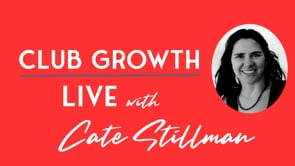
Club Growth Live with Cate
Meeting Recap 05-01-2026: Session by @Cate Stillman This session focused on simplifying business growth by prioritizing sales, testing offers in real-time, and avoiding the trap of overbuilding before validation. A major theme was shifting from perfectionism to experimentation—using the first few clients as “live feedback” to refine program structure, pacing, and delivery. The conversation highlighted how many wellness professionals delay growth by focusing too much on content creation instead of selling transformation. From leveraging existing networks (“hub hustle”) to using simple funnels (free talk → conversation → membership), the emphasis was on keeping systems lean, actionable, and rooted in real client needs rather than assumptions. Key Takeaways - Selling before building prevents wasted effort and speeds up learning. - Early clients should be treated as test cases to refine your offer. - Simplicity in funnels and messaging outperforms complex systems. - Sales skill improves through practice, not theory or preparation alone. - Understanding client pain points is essential for effective conversion. Next Steps - Focus on enrolling your first 3–5 clients before fully building your program. - Run a simple free session or talk to generate conversations and leads. - Use time blocks (25–45 minutes) to complete key tasks without overwhelm. - Create 1–2 short videos to support your sales and nurture process. - Reach out to existing contacts or communities to start conversations. PS: Clarity comes from action, not from building more before you sell. Watch Video: VIMEO LINK
7d •
Steady Seasons of Income — Workshop Replay
Meeting Recap 04-29-2026: Session by @Cate Stillman This workshop reframed how wellness professionals think about income by shifting away from inconsistent, session-based earnings toward stable, recurring revenue models. The core challenge - the “healer’s dilemma” is relying on one-off transactions that reset income each month. Instead, the focus is on building a business around long-term client transformation through community, continuity, and structured programs. By combining “becoming” (deep personal change) with “belonging” (ongoing support and connection), practitioners can increase both impact and lifetime client value. The session emphasized that sustainable income comes from designing offers around real results, leveraging group coaching, and committing to an annual model that supports both the client journey and the practitioner’s stability. Key Takeaways - Transactional, hourly models limit income stability and long-term impact. - Recurring revenue is built through ongoing relationships, not one-time services. - Group coaching and community increase both transformation and client retention. - Pricing should reflect results and long-term value, not time spent. - Most practitioners can sustainably support a focused number of committed clients annually. Next Steps - Audit your current offers and identify where income resets each month. - Design one program that supports clients over a longer-term journey (3–12 months). - Define the transformation (A → B) your clients achieve through your work. - Explore adding a group or community component to your existing services. - Calculate your ideal number of clients and align pricing with desired annual revenue. PS: Stable income isn’t about doing more, it’s about designing smarter. Watch Recording : VIMEO Link
1
0

1-30 of 575

skool.com/wpa-club
The CLUB for Wellness Pro Academy... Lead from your wellness wisdom. 3x your profit.
Leaderboard (30-day)
1

+40
2

+38
3

🔥
+30
4

+29
5

+29
Powered by