

2d •
Fluoride free toothpaste
Looking for a fluoride free toothpaste that doesn’t have a ton of sugar in it. I’ve noticed that xylitol is an ingredient. Isn’t xylitol a sugar??
5d •
🚨 Today's Live Q&A Reminder! 🚨 Estrogen Dominance
I'd love to see you on today's live Q&A inside the Fit Over 40 community! Today's topic is Estrogen Dominance. 🕚 11:00 AM MST 🕛 12:00 PM CST 🕐 1:00 PM EST We'll be covering: ✅ What estrogen dominance actually is. ✅ What it can mean for both women and men. ✅ How to support healthy hormone balance naturally. As always, we'll also save time at the end for your live questions, so come ready to ask anything that's on your mind. Whether you're currently in FAST40 or just getting started on your health journey, I think you'll walk away with a better understanding of how your body works and what you can do to support it naturally. Looking forward to seeing you there! Dr. Cody
0
0
May 18 •
Question re Eating times
I I do my best to eat at the same time for lunch and dinner each day. I’ve been doing 1230 and 630 consistently however 1230 can be challenging at times because I often have meetings that overlap that are standing meetings that I can’t change. Is it better to move to 1130 or wait to eat after the meeting at like one and 130?

May 5 •
Q&A Replay — Days 41-47, Eating Out & Putting Yourself First!
🔥 THIS WEEK'S LIVE Q&A REPLAY IS UP! Thank you to everyone who joined us for this week's Tuesday Live Q&A — what an amazing conversation we had! 🙌 Here's what we covered: ✅ How to put YOURSELF first — because your health can't come second anymore ✅ What to do during Days 41–47 after completing FAST40 — this is the phase most people overlook and it matters ✅ How to start implementing exercise the RIGHT way at this stage ✅ How to test foods and understand what works for YOUR body ✅ What to do when you go out to eat — one of our members asked this and it was 🔥 📲 The REPLAY is now posted — go watch it, share it with someone who needs it, and drop your biggest takeaway in the comments below! 👇 --- 📅 REMINDER: Our Tuesday Live Q&A calls happen EVERY TUESDAY at 11AM Mountain Time. This is YOUR time. Come with questions, come as you are, and let's keep building that energetic, fat-burning body together. 💪 See you next Tuesday! 🙌 — Dr. Golman

1-17 of 17
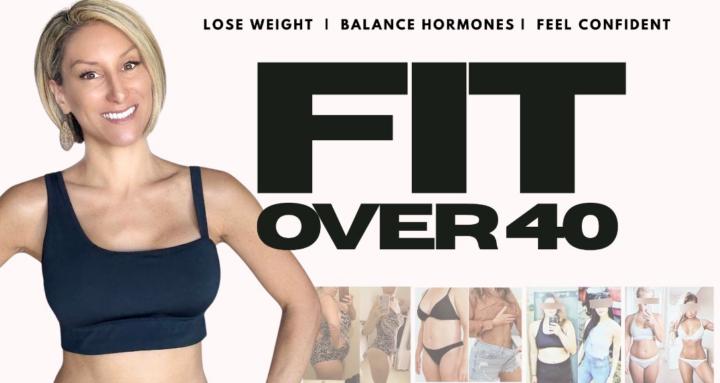
skool.com/weight-loss-hormone-reset
Learn to lose weight and get healthy after 40
Leaderboard (30-day)
1
+28
2
+11
3

+7
4

+7
5
+3
Powered by