
Pinned

🔥
3d •
Wonder What It's Like to Become a VIP Member of the CLASSIFIEDS?
If you saw the WATER COOLER drop in schedule last week and you were wondering how you too could become a VIP member and host your own hour, wait no longer - application are opening soon for our next VIP cohort. There are several benefits of being a VIP member, but the most sought after is the ability to participate in the VIP Collab Action Group. Want to learn more about all the benefits? Attend the information session on May 12 (exact time on your calendar). Can't attend live? No worries. It will be recorded. And what's even better, is that this time around applications will be collected in different categories, so if you serve parents, or women over 40, or animal lovers, or if you are in a health and wellness niche, or a hobby niche, or a business niche, you will be able to apply to collaborate with others who will compliment you instead of compete with you. I can't wait to see your application. Keep your 👀 open for application dates, and mark your calendar for the info session on May 12!

Pinned
🔥
Aug '25 •
HOW IT WORKS - READ THIS FIRST
Ever wonder how you can let people know about your Skool community? Feel like you have so much to offer but don't know how to get people involved? Wish there was somewhere you were actually allowed to promote yourself and talk about your offer? Look no further! The Skool Classifieds are the place where you are not only allowed to promote yourself, but you are actually encouraged to do so! Like the Classifieds section of your local newspaper or the Community Message Board at the gym, this is the place to let people know what you do and what you offer. Here's how it works: 1. Invite other Skoolers you know to join the group using your invite link. The more people join, the more people there are to promote to! 2. You can post once a day only. This is to keep the group from getting spammy. If it's spammy, people won't read and you won't get noticed. Post as many days in a row as you want, but please do not post the same thing day after day - mix it up! 3. Make sure you add your post to the appropriate group/heading. Please see below for a description of what each group is for. If you don't see a group that is appropriate, message me. 4. Self-Promotion is what this group is all about, but please do not DM people with your offers. You will be removed from the group for doing this. 5. Introduce yourself in this thread, and then scroll up and find someone you have something in common with. Reach out. There are some really amazing people here! 😉 This is a place for us to support each other for our mutual benefit. Hate speech, offensive language, or general negativity will be deleted, and you will be removed from the group. *Please check out this post for more tips on how to get great results from your posts. And also this post by one of our own community members who has had great success growing his group through the CLASSIFIEDS. To learn How to Make Your Classifeds' Posts Work Harder for You, check out this masterclass by one of our moderators, @Faith Adebayo


26m •
Do you wish you knew how to help your child become a capable adult since they don’t teach life skills in school?
I’ll be teaching exactly that it in our Skool. And it starts tomorrow Monday May 4th at Noon ET The RAISING ADULTS 30-day Challenge and it’s free. If you’ve ever thought… “I don’t want my child to grow up this way…” “I know they’re capable of more…” “I just don’t know how to shift it…” “I’m not even sure what life skills I need to be teaching them…” 👉 You’re not alone. And more importantly… 👉 You’re not stuck. Because the truth is: The adult they become later is built in the small things we allow, repeat, teach and do today. But here’s the good news: 👉 You can change that When you look forward a month, at June 4th on your calendar… That’s not so far away. Right? And in that short amount of time your child can be: ✔ More cooperative ✔ More respectful ✔ More capable ✔ More of a leader 👉 More like the child you know they can be. We start tomorrow. Monday May 4 at Noon ET inside our free Be A Better Parent Skool Community No guilt, no judgment, no shame, just solutions. 👉 Join us here: TimeforSkool.com You’re not behind. You’re just starting differently. Let me ask you, what’s one thing you wish your child would do differently right now? Post in the comments 😌
1
0


🔥
1d •
What do you need to give yourself permission for?
What do you need to give yourself permission for? Starting June 1st, we’ll journey into your Permission Slip, a playful, body-led experience where you’ll discover what you’ve been holding back… and begin to give yourself the permission you’ve been waiting for. Come check out and explore The Body Wisdom Way... inside you'll learn to tune into your body, notice what lights you up or drains you, and start making choices that feel right for you. You’ll find weekly themes and simple, real-life practices that help you learn to listen to the language of your body, feel clearer, build self trust, and move toward a life that truly feels like you. This is a women-only community, and it’s free to join. Come in and see what opens for you. I look forward to seeing you inside The Body Wisdom Way

🔥
39m •
Sunday Signals: The Stuff Your Vet Wasn’t Trained to See
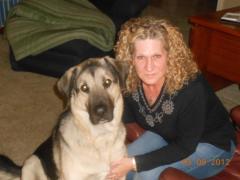
Just like traditional M.D.s, veterinarians weren’t trained to detect early physiological compensation, only disease. Just like human medicine, veterinary training focuses on diagnosing and treating pathology/diseases, not preventing it. Vets are trained to identify what’s wrong, not what’s starting to go wrong. Traditional veterinary medicine, like traditional human medicine, is built around disease management, not early‑stage prevention. Vets are experts in pathology/disease. Prevention‑based physiology simply isn’t part of their training. They were trained for the crisis. Not the clues. Something Your Vet Isn’t Trained to Look For For every community that loves their pets but knows something isn’t adding up. There’s a moment every pet parent has. You look at your dog or cat and think: “This behavior doesn’t feel random, but no one can explain it.” The itching with no rash. The pacing with no trigger. The sudden clinginess. The sudden distance. The coat that “just changed.” The sleep that looks off. The anxiety that came out of nowhere. The “aging” that feels too early. Most people shrug it off. Most professionals normalize it. Some even make that hard decision before they need to. But here’s the part no one tells you: Your pet’s body sends signals long before anything shows up on labs. And almost no one is trained to read them. Not trainers. Not groomers. Not behavior groups. Not nutrition groups. Not even most veterinary teams. There’s an entire layer of physiology that sits under the symptoms, and once you see it, you can’t unsee it. It explains the “mystery behaviors.” It explains the “random sensitivities.” It explains the “quirks” that aren’t quirks at all. It explains why your pet changes before anyone can name the reason. It explains the premature aging, it explains why they are sick. If you’ve ever felt like you’re missing the real story, you’re not wrong. You’re just reading the output, not the system. Today I will look at the difference between functional/nutritional medicine and traditional veterinary medicine.
0
0

1-30 of 11,011

skool.com/classifieds
The #1 public place to promote your Skool, learn how to build connections, and collaborate with Skoolers. Real connections & growth without spam.
Leaderboard (30-day)
1

🔥
+1164
2

🔥
+571
3

🔥
+447
4

+336
5

🔥
+316
Powered by