Activity
Mon
Wed
Fri
Sun
Aug
Sep
Oct
Nov
Dec
Jan
Feb
Mar
Apr
May
Jun
Jul
What is this?
Less
More
Memberships
Awesome! Hybrid Calisthenics
1.1k members • Free
447 contributions to Awesome! Hybrid Calisthenics
1d •
Newbie!
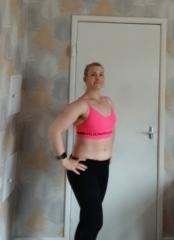
HI I am Claire. Going to be 50 in a few weeks and want to learn new skills Been into Fitness since my 20s. Just started a new Instagram Page called Claire Gets Stronger which I post everything that is fitness related including my hiking adventures and the start of my Calisthenics journey.

🔥
0 likes • 17h
Welcome to the community @Claire Royle

🔥
17h •
Mobility
Just sharing some upper body mobility ideas! When i get up I tend to be stiff so I've been doing a lot of mobility work and stretching as part of my morning routine for a long time plus it's a great way to start the day 2 of my favorite upper body are these exercises (see videos, I don't know the names) after all the pull ups and dips I did today, my upper body was a bit sore! These 2 exercises were perfect to losen everything up!😊

🔥
1 like • 17h
The perfect mobility stretches for a sore upper back 👍
🔥
1d •
Ring dips and Pull ups
Dips: I'm getting better, I do have more control... I go a lot lower with the band sometimes I do negatives today I did banded. I've got control of the rings, I need more strength now😅 Pull ups: Today was the first day i was going over 4 🎉 i got 4 2/3 but on my 5th my shoulder did it's weird funky move ... I'm consistent with 4 so it's a matter of time before i get 5 good reps💪

🔥
1 like • 17h
Great work @Val Mercier 👏👏👏

2d •
More protraction?
Tuck planche is progressing slowly. I try to film at least one attempt per session to see if there is any changes in the position. Still working on the lean angle but I think it looks like my protraction is getting better?

🔥
1 like • 2d
Yep, looking good 😊 how often do you practice tuck planche?
2d •
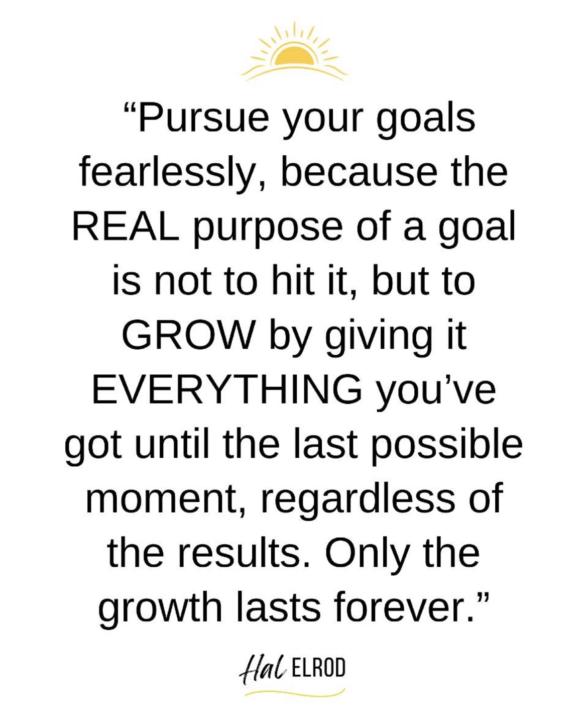
A little reminder for the week
I know I needed this and thought others might be inspired by this quote too!
🔥
1 like • 2d
So true, the growth stays with us!
1-10 of 447

Active 17h ago
Joined Apr 4, 2026
Melbourne
Powered by