
Write something
Pinned

21m •
5 Fragrance Deals Worth Your Attention This Week!
Gentlemen of scent — Monday brings a fresh wave of fragrance markdowns worth your attention. 🕯️ All five from MaxAroma, a trusted US retailer with 40,000+ reviews at 4.8 stars. 1. Replica Up At Dawn – Maison Margiela - Product name: Maison Margiela Replica Up At Dawn - Store: MaxAroma - Original price: $220.00 - Sale price: $122.00 - Discount: 45% off (markdown, no code needed) - Link: https://get.aspr.app/SH1pX7 2. Oud Minerale – Tom Ford - Product name: Tom Ford Oud Minerale - Store: MaxAroma - Original price: $405.00 - Sale price: $270.00 - Discount: 33% off (markdown, no code needed) - Link: https://get.aspr.app/SH1pX8 - 3. Cedrat De Diamante – Versace (Unisex — citrus-woody) - Product name: Versace Cedrat De Diamante - Store: MaxAroma - Original price: $330.00 - Sale price: $132.00 - Discount: 60% off (markdown, no code needed) - Link: https://get.aspr.app/SH1pX9 4. Acqua Di Gio Profondo – Giorgio Armani - Product name: Giorgio Armani Acqua Di Gio Profondo - Store: MaxAroma - Original price: $105.00 - Sale price: $78.00 - Discount: 26% off (markdown, no code needed) - Link: https://get.aspr.app/SH1GGv 5. Mystery Fragrance Pack – ALT Fragrances - Product name: Mystery Fragrance Pack - Store: ALT Fragrances (official site) - Original price: $99 - Sale price: $59 - Discount: 40% off (no code) - Why it's a good deal: ALT specializes in high-quality inspired expressions of luxury men's scents. The Mystery Pack is a fun gamble — you get a surprise full bottle at a steep discount. At $59, it's a low-risk way to discover a new scent. ALT's quality-to-price ratio is excellent. - Link: https://altfragrances.com/products/mystery-fragrance-pack 💬 Which scent is calling your name this week? Let me know in the comments!
Pinned

1d •
🥃 Memo Paris Leather Travels – Masculine Leathers on Sale
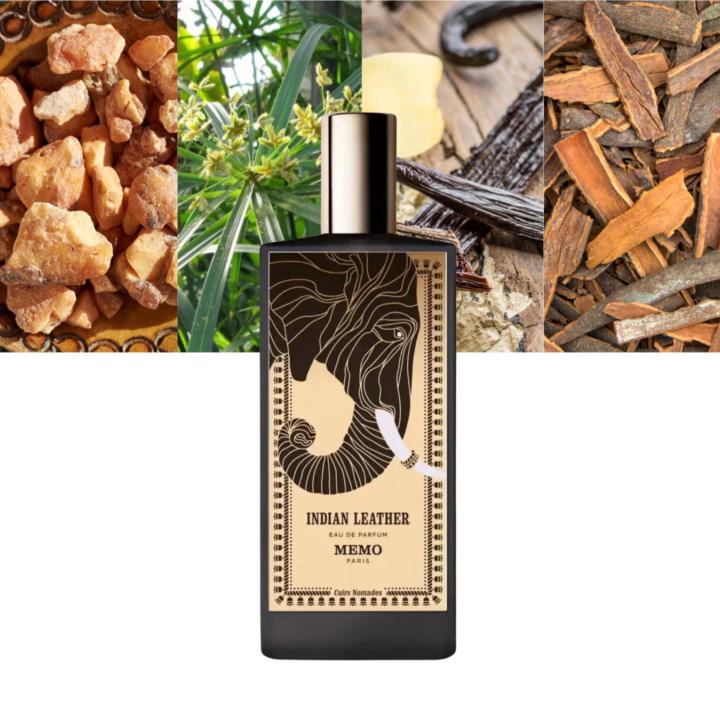
🔥 Memo Indian Leather – 54% OFF https://get.aspr.app/SH1euq Spiced, smoky leather with warm, exotic adventure-ready depth. 🍀 Memo Irish Leather – 51% OFF https://get.aspr.app/SH1lUv Green leather with mate tea and birch — verdant and refined. 🐪 Memo African Leather – 50% OFF https://get.aspr.app/SH1SvV Raw, animalic leather with saffron and oud — bold and untamed. 🌍 Memo Italian Leather – 63% OFF https://get.aspr.app/SH1SvU Smooth, refined Italian leather with herbal-aromatic sophistication. 🏜️ Memo Moroccan Leather – 52% OFF https://get.aspr.app/SH1UxX Exotic spiced leather evoking the Marrakech medina at golden hour.
Pinned

24d •
Why Join Brotherhood Of Scent Premium?
I’ve stacked so much value into BOS Premium that honestly I think it’s a no-brainer YES decision to join. https://www.skool.com/bos/plans The details: - "Inner Circle Mastermind" LIVE Monthly Call Access Q&A with Perfumers & Frag Experts - Access To 5+ Premiun Fragrance Courses Designed To Level Up Your Knowledge of Scent - $1,000+ in retail discounts & price check guarantee (always get best deal save $$$) - Access To Challenge & Prizes - As a Patron the "activity" requirement doesn't apply to you. Thank you for your support! - Complete Mission Fragrance Set ($595 Value) - Your own "Personal Fragrance Concierge" (PFC) to help choose your perfect scent - MF Academy & Mindset Coaching ($2,000 Value) - Three Travel Atomizers (value $45) & Limited Edition MF Challenge Coin (value $35) - Invite To LIVE Event (Dallas, Oct 2026) Click here to join us - https://www.skool.com/bos/plans
55
0

🔥
7d •
Training your nose to detect scents in Perfume:
Training your nose is not just about smelling more bottles. It is about smelling with purpose. Start with the basics first. Learn the families: citrus, woods, aromatics, florals, amber, musk, spice, green notes, incense, leather, and sweet notes. Don’t try to pick out every single note right away because that’s where people get frustrated. The best thing I’ve found is using real-life references. Smell lemon peel, grapefruit peel, fresh basil, rosemary, coffee, cedar, leather, vanilla, incense, grass, pepper, and things like that. Then when you smell a fragrance, your brain has something real to connect it to. Also, don’t judge a fragrance by the first spray. Smell the opening, then come back 30 minutes later, then again a few hours later. That’s how you start noticing transitions. A lot of fragrances smell one way in the opening and totally different in the drydown. Side-by-side comparisons help a lot, too. Smell two fragrances in the same style and ask yourself which one is fresher, sweeter, woodier, cleaner, heavier, more natural, more synthetic, or smoother. You don’t have to be a master perfumer to notice differences. And don’t overload your nose. After a few fragrances, your nose gets tired. Fresh air helps more than coffee beans, in my opinion. The biggest thing is keeping it simple. Pick one note or one style at a time and build from there. Over time, you start recognizing patterns. You learn what real citrus smells like, what ambroxan does, what Iso E Super does, what clean musk smells like, what incense smells like, what cheap sweetness smells like, and what better blending smells like. That’s how your nose gets better. Not by pretending you can smell 40 notes in every fragrance, but by building scent memory one piece at a time. Buying small natural raw materials is one of the best ways to train your nose. You do not need huge bottles. Small samples are enough. Good places to look are Eden Botanicals, The Perfumer’s Apprentice, Perfumer Supply House, Creating Perfume, and Pell Wall. The Perfumer’s Apprentice specifically notes that essential oils and absolutes are very strong and should usually be smelled diluted, often around 10% or even 1%

🔥
19h •
Mr. Burberry
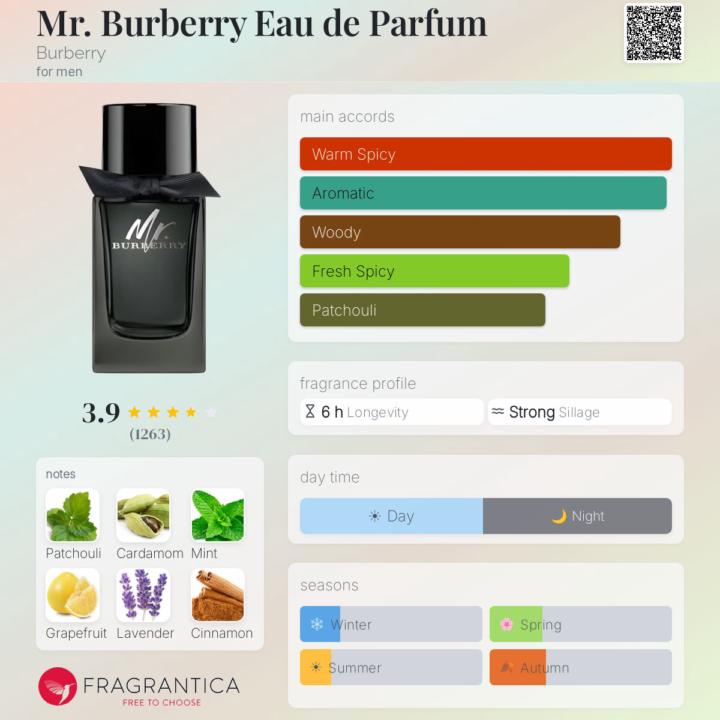
Found this at Marshall’s in my travels on clearance for $29.99 and couldn’t pass it up. Mr. Burberry Eau de Parfum by Burberry is a Woody Spicy fragrance for men. Mr. Burberry Eau de Parfum was launched in 2017. Top notes are Cardamom, Mint, Grapefruit and Tarragon; middle notes are Lavender, Nutmeg and Cedar; base notes are Patchouli, Cinnamon, Amber, Vetiver, Benzoin and Sandalwood.
1-30 of 43,842
skool.com/bos
#1 Fragrance Community 🏆
Our mission is to help YOU leverage the power of scent to become the man you know yourself to be.
Leaderboard (30-day)
1
🔥
+2839
2

🔥
+2052
3

🔥
+2008
4

+1301
5

🔥
+1215
Powered by