
Write something
Pinned

1h •
🌑 Dark Niche Masculines – Smoke, Spice & Power on Sale
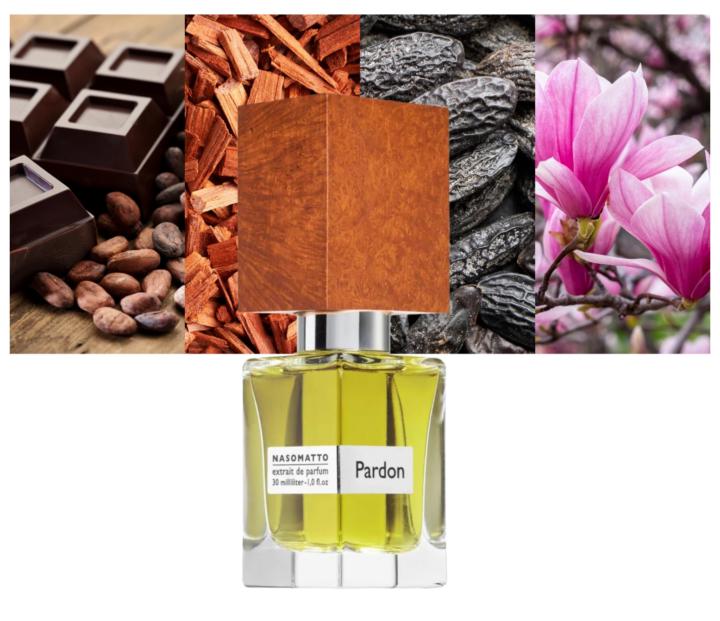
🖤 Nasomatto Absinth – 38% OFF https://get.aspr.app/SH1VbB A green, boozy, hypnotic extrait with bold animalic depth. ⚫ Nasomatto Black Afgano – (deep discount) https://get.aspr.app/SH1UyH Legendary dark resins and smoke — one of the most potent scents ever made. 🌲 Nasomatto Pardon – 41% OFF https://get.aspr.app/SH1NOB Dark chocolate, tobacco, and woods — confident and masculine. 🔥 Sospiro Erba Leather – 36% OFF https://get.aspr.app/SH1lrw Green leather with herbal sophistication — Italian artistry refined. 🪵 BDK Rouge Smoking Extrait – 34% OFF https://get.aspr.app/SH1Tl9 Smoky black tea and leather with refined, mysterious depth.
0
0
Pinned

2d •
5 Fragrance Deals Worth Your Attention This Week!
Gentlemen of scent — Monday brings a fresh wave of fragrance markdowns worth your attention. 🕯️ All five from MaxAroma, a trusted US retailer with 40,000+ reviews at 4.8 stars. 1. Replica Up At Dawn – Maison Margiela - Product name: Maison Margiela Replica Up At Dawn - Store: MaxAroma - Original price: $220.00 - Sale price: $122.00 - Discount: 45% off (markdown, no code needed) - Link: https://get.aspr.app/SH1pX7 2. Oud Minerale – Tom Ford - Product name: Tom Ford Oud Minerale - Store: MaxAroma - Original price: $405.00 - Sale price: $270.00 - Discount: 33% off (markdown, no code needed) - Link: https://get.aspr.app/SH1pX8 - 3. Cedrat De Diamante – Versace (Unisex — citrus-woody) - Product name: Versace Cedrat De Diamante - Store: MaxAroma - Original price: $330.00 - Sale price: $132.00 - Discount: 60% off (markdown, no code needed) - Link: https://get.aspr.app/SH1pX9 4. Acqua Di Gio Profondo – Giorgio Armani - Product name: Giorgio Armani Acqua Di Gio Profondo - Store: MaxAroma - Original price: $105.00 - Sale price: $78.00 - Discount: 26% off (markdown, no code needed) - Link: https://get.aspr.app/SH1GGv 5. Mystery Fragrance Pack – ALT Fragrances - Product name: Mystery Fragrance Pack - Store: ALT Fragrances (official site) - Original price: $99 - Sale price: $59 - Discount: 40% off (no code) - Why it's a good deal: ALT specializes in high-quality inspired expressions of luxury men's scents. The Mystery Pack is a fun gamble — you get a surprise full bottle at a steep discount. At $59, it's a low-risk way to discover a new scent. ALT's quality-to-price ratio is excellent. - Link: https://altfragrances.com/products/mystery-fragrance-pack 💬 Which scent is calling your name this week? Let me know in the comments!
Pinned

26d •
Why Join Brotherhood Of Scent Premium?
I’ve stacked so much value into BOS Premium that honestly I think it’s a no-brainer YES decision to join. https://www.skool.com/bos/plans The details: - "Inner Circle Mastermind" LIVE Monthly Call Access Q&A with Perfumers & Frag Experts - Access To 5+ Premiun Fragrance Courses Designed To Level Up Your Knowledge of Scent - $1,000+ in retail discounts & price check guarantee (always get best deal save $$$) - Access To Challenge & Prizes - As a Patron the "activity" requirement doesn't apply to you. Thank you for your support! - Complete Mission Fragrance Set ($595 Value) - Your own "Personal Fragrance Concierge" (PFC) to help choose your perfect scent - MF Academy & Mindset Coaching ($2,000 Value) - Three Travel Atomizers (value $45) & Limited Edition MF Challenge Coin (value $35) - Invite To LIVE Event (Dallas, Oct 2026) Click here to join us - https://www.skool.com/bos/plans
58
0
just now •
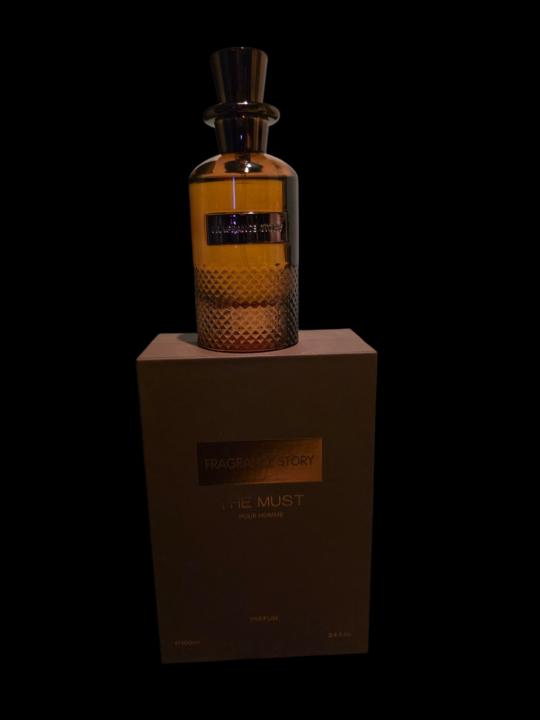
The Must by Fragrance Story review
#sotd... The Must by Fragrance Story... This is a woody aromatic fragrance. Opens with a slight freshness that moves quickly into a sweet woody vanilla scent. Decent overall performance. Good projection for the first few hours. I was able to get 7 hours of wear. I am giving this a 8 out of 10.
0
0

🔥
3m •
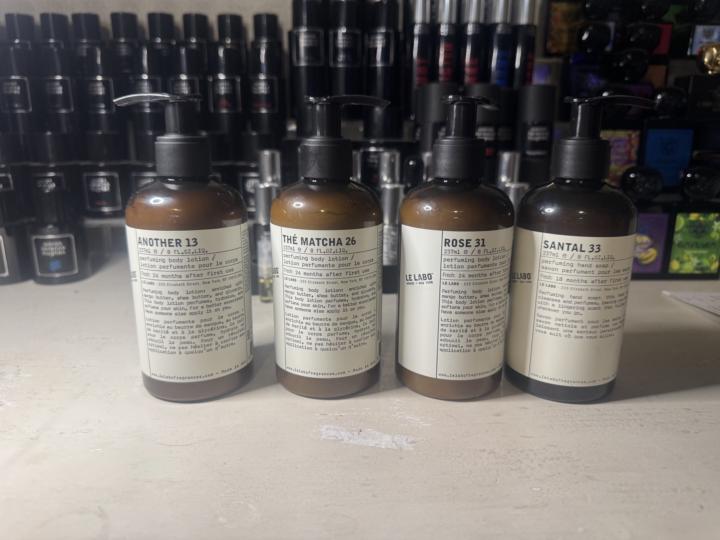
Another 13 and added items I haven’t tried!!!
Always had a problem detecting Le Labo another 13 but decided to use the body lotion with it. I really like the Another 13 body lotion. It smells very close to the EDP—I’d say around 85–90% of the same scent. It still has that clean, musky, skin-like vibe, but the lotion makes it a little softer, creamier, and slightly sweeter. On its own, it lasts a few hours and stays pretty close to the skin, so don’t expect the same projection as the EDP. Where it really shines is when you layer it under the fragrance. It helps the EDP last longer, smooths out the opening, and gives the scent a richer feel without changing what makes Another 13 so unique. If you’re already a fan of Another 13, I think the body lotion is worth it. It’s one of those companion products that actually smells like the original instead of just borrowing the name.
0
0
1-30 of 43,894
skool.com/bos
#1 Fragrance Community 🏆
Our mission is to help YOU leverage the power of scent to become the man you know yourself to be.
Leaderboard (30-day)
1
🔥
+2788
2

🔥
+1896
3

🔥
+1837
4

+1314
5

+1188
Powered by