
Write something

17d •
The result doesn't always reflect the performance
I had this come up in my Facebook feed today, and thought it was and relatable clop for all GK's. Quick review of how the Croatia's GK performance may have been seen. 🇭🇷 https://www.facebook.com/share/r/19TwjXGqLQ/

8d •
Huge game tomorrow 🙌
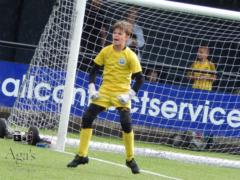
Busy day tomorrow, starting off my watching my youngest in goal then quick turn around and off to get prepped and warmed up for our big game...nerves kicking in already 💪🏻

20d •
Team mates.....
Great win in the FA cup Q3 yesterday for leiston. Called up to the bench as gk had a niggle. Got sent this pick last night after the game from one of the team. Saying why are you looking so grumpy fordy? Various bits of banter back and forth but the one that stood out the most was.... "He's grumpy because his legs no longer fill the shorts" 🤣 !! You can always rely on a team mate to brighten your day 😆

Jul 9 •
Screen time....how does it REALLY effect us?
Bit of a long one but I felt I needed to explain.... Screen time has become an increasingly important and yet overlooked by many in youth sport development. Excessive use can affect physical performance, cognitive development, sleep, recovery, and mental wellbeing. While technology has many benefits for learning and performance analysis, unmanaged recreational screen time can negatively influence the development of young footballers. Ill explain the effects this can have below, but before reading on try to (honestly) think about your approach to screen time as a play, parent or coach of youth footballers. Sleep Quality and Recovery (Greatest Impact) Sleep is one of the most important factors in youth athletic development. Excessive screen use, particularly within 1–2 hours before bedtime can: - Delay the release of melatonin due to blue light exposure. - Increase the time it takes to fall asleep. - Reduce total sleep duration. - Lower deep sleep quality. For youth footballers, poor sleep results can lead to… - Slower reaction times. - Reduced concentration. - Poor decision-making. - Increased fatigue. - Reduced muscle recovery. - Lower growth hormone release, which is essential during adolescence. Cognitive Performance Excessive recreational screen time, particularly rapid-paced social media or gaming, may contribute to: - Reduced attention span. - Increased distractibility. - Difficulty maintaining concentration. - Mental fatigue before training or matches. Conversely, appropriate use of technology such as video analysis or cognitive training apps can improve tactical understanding and perceptual skills. Physical Activity Displacement Time spent on screens often replaces: - Outdoor play - Free movement - Football practice - Physical literacy development Consequences can include: - Lower aerobic fitness. - Reduced coordination. - Poorer balance. - Less movement variability. - Increased sedentary behaviour.
🔥
Sep 13 •
Gratefuls and Win
As @Ray Newland hasn't posted the wins and gratefuls today i wanted to share mine. My win was not my team winning yesterday but playing the same team today as last week and whereas last week they beat me on almost every 1v1 today only 1 got past me. We still lost 7-1 but the team are definitely improving and it's much better then the 10-0 last Sunday. I'm grateful for Having so much football Being fit and healthy Having lots of support around me. Please share your wins and gratefuls below
1-30 of 162

skool.com/goalkeeper
Helping football goalkeepers become professional keepers or gain a college scholarship. We have been helping keepers and parents since 1998.
Leaderboard (30-day)
1
🔥
+5264
2
🔥
+4065
3

🔥
+3933
4
🔥
+2514
5

+2422
Powered by