
Pinned

3h •
🌙 Oud, Leather & Smoke – Dark Scents at Up to 58% Off
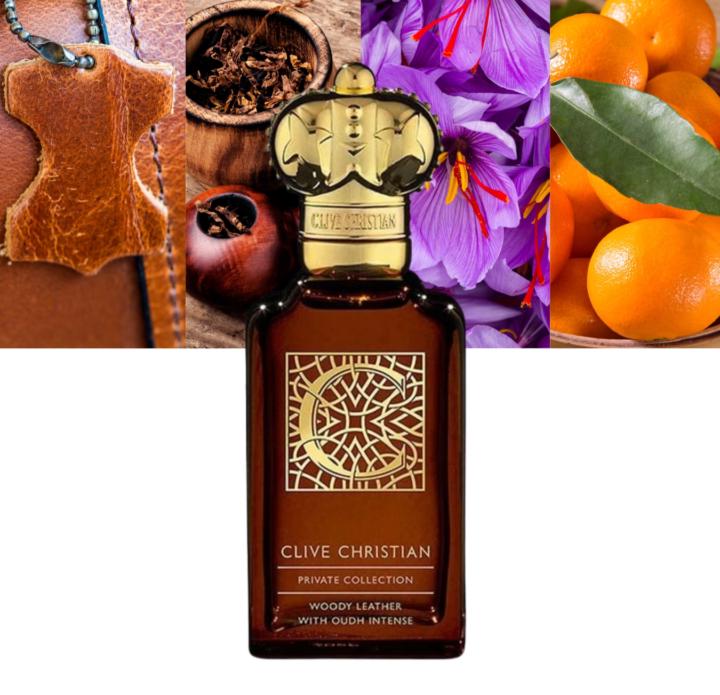
🕌 Blend Oud Teeb – 72% OFF https://get.aspr.app/SH1iq6 A rich, authentic Middle Eastern oud with deep resinous warmth. 🪔 Acqua Di Parma Oud & Spice – 58.2% OFF https://get.aspr.app/SH1Wi2 Italian elegance meets Arabian oud in a smooth, refined pairing. 🌲 Nishane Hacivat Oud – 55.2% OFF https://get.aspr.app/SH1UDW The beloved Hacivat DNA fused with smoky, luxurious oud. 🥃 Clive Christian V Amber Fougere – 54.9% OFF https://get.aspr.app/SH1iq8 A regal amber-lavender masterpiece that redefines opulence. 🖤 Alexandre.J Western Leather Black – 51.1% OFF https://get.aspr.app/SH1iq8 Dark saffron and smoky leather with serious cowboy-noir attitude.
9
0
Pinned

⭐
1d •
3 Fragrance Deals Worth Your Attention This Week!
MaxAroma — 20% off sitewide + up to 85% off sale items MaxAroma is our go-to for authentic designer at real discounts. Highlight of the current sale: Dior Sauvage (60ml and 100ml) at 18% off. Perfect if you're finally adding Sauvage to the rotation, or topping off before summer. Free US shipping, no minimum. 👉 maxaroma.com Jomashop — Up to 80% off clearance fragrances The big play here is Bond No. 9 up to 78% off during their current fragrance event. If niche has been on your radar, this is the moment. Also: newsletter signup unlocks another $20 off $250+. One word of caution — check that items show "in stock" before checkout, not "ships in weeks." 👉 jomashop.com/fragrances.html Scentbird — 55% off first month For anyone who's been on the fence about subscription sampling: the highest Scentbird discount of the year is live. First month for under $9. Over 1,000 scents in the rotation — designer and niche. This is how I'd recommend anyone new to collecting figure out what they actually like before dropping $300+ on a full bottle. 👉 scentbird.com Heads up: Creed and Parfums de Marly direct are still full retail. If you want those specifically, FragranceUSA and Venba are running clearance — but always verify batch codes. If you saw other awesome deals that is not included in the list above please drop in the comments below! 🔥

Pinned
⭐
2d •
April 28th: Live with James Lawley (GentZ)! 🎙️
Get ready, gents! We have a very special guest joining us for our April 28th LIVE call. @James Lawley (GentZ) — founder of Gentlemen's Collective and a man who's built something real from the ground up — is coming on to share his story. How he got started, what he learned along the way, and how leveling up your style is really about leveling up yourself. Whether you're just starting your style journey or you've been in the game for years, this is going to be a conversation that hits. Laid-back, honest, and packed with value. 📅 The Details - Event: Style, Confidence & the Come-Up — Live with James Lawley - Special Guest: @James Lawley (GentZ) - When: Tuesday, April 28th - Time: 5:00 PM – 6:00 PM Central US - Meeting Link: Click here to join the call - Drop your questions in the comments below — I want to make sure we cover what matters most to YOU. Let's pack this call and show @James Lawley what this community is all about. See you Tuesday! 🚀✨

⭐
Feb 8 •
Introduce Yourself HERE!- Post ALL Intros On This Thread
What to say in your intro? Share where you're from, your reason for joining, perhaps your favorite fragrance, watch or a picture of you dressed sharp! It's a small action, but a HUGE step in you getting value from this community becasue you go from being a lurker to an ACTIVE member. In fact men that introduce themselves are 10X more likely to the actions to becoming their best selves. Bonus Point - By introducing yourself you're guaranteed to level-up. Seriously, you'll get at least 5-20 likes/points (oftentimes more) which will move you to level 2 and possibly level 3. And just like that you have access to more of this community!
🔥
37m •
Validation!!!
A lot of people want validation in their fragrance choices because fragrance is personal. We are not just buying a smell. We are buying a mood, a style, confidence, and sometimes even the feeling that we made the right decision. When someone buys a fragrance, especially if it is expensive, hyped, niche, discontinued, or a blind buy, they naturally want to feel like they made a good choice. Nobody wants to feel like they wasted their money or got caught up in hype. So when people post their bottle, SOTD, or collection, sometimes they are not only sharing — they are also looking for reassurance. This is also why it can be hard to take anyone else’s reviews too seriously. A review is not always just an honest breakdown of the fragrance. Sometimes it is mixed with hype, buyer’s remorse, personal bias, a desire to justify a purchase, or a desire for other people to agree with their taste. Some people review something right after buying it, while they are still excited about it. Others may overpraise a fragrance because they paid a lot for it. After all, the community already hyped it, or they want to feel validated in owning it. The same thing happens with clones and inspired-by fragrances, but from the opposite side. Because clones are usually much cheaper, some people want to validate them as being “just as good,” “better than the original,” or “not worth paying for the real thing.” Sometimes that may be their honest opinion, but other times the lower price becomes part of the review. Instead of judging the fragrance completely on quality, depth, blending, performance, and how close it really is, the review turns into proving they made the smarter financial choice. I understand why clones are popular. They let people experience a similar scent profile without spending hundreds of dollars. They can be useful for testing a DNA, wearing something casually, or enjoying a style without using up an expensive bottle. But price can create bias. If someone only paid $30 or $40, they may be more forgiving of rough edges, weaker blending, missing depth, or differences from the original. On the other hand, if someone paid $300 or more for the original, they may want to defend that purchase too.
1-30 of 42,426
skool.com/bos
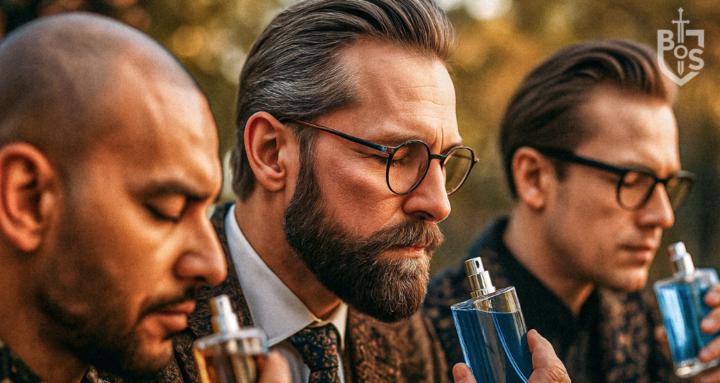
#1 Fragrance Community 🏆
Our mission is to help YOU leverage the power of scent to become the man you know yourself to be.
Leaderboard (30-day)
1

🔥
+4962
2
🔥
+3678
3

🔥
+3617
4

🔥
+3415
5

🔥
+2690
Powered by