Activity
Mon
Wed
Fri
Sun
May
Jun
Jul
Aug
Sep
Oct
Nov
Dec
Jan
Feb
Mar
Apr
What is this?
Less
More
Memberships
Bedrock Nation
152 members • Free
6 contributions to Bedrock Nation

Jan 23 •
How the Vagus Nerve Works
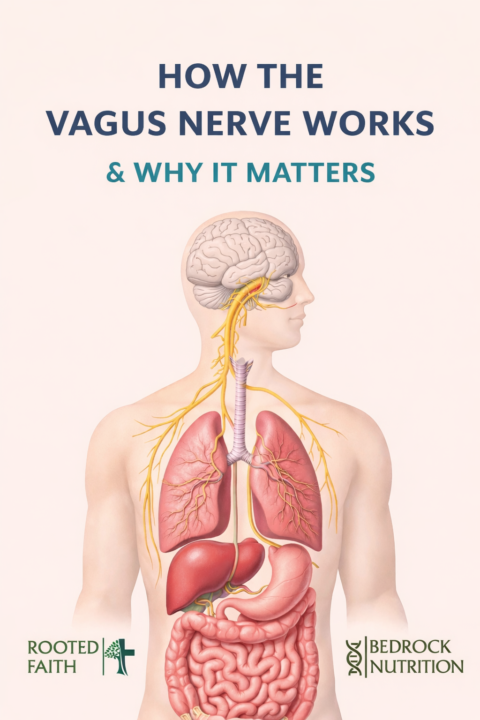
How the brain talks to the immune system (and why this changes everything) If you’ve ever noticed that stress makes your gut worse, your sleep worse, your mood shorter, and your inflammation louder… you’re not imagining it. One of the main “communication highways” tying all of that together is the vagus nerve—the longest cranial nerve in the body, connecting the brainstem to the heart, lungs, digestive tract, and immune signaling hubs. What the vagus nerve does (in plain English) Think of the vagus nerve as a two-way radio between your brain and your body: - It carries information UP to the brain about what’s happening in your gut, organs, and immune system. - It carries signals DOWN from the brain that influence heart rate, digestion, inflammation, and recovery. This is why vagal tone (how well this system “communicates”) is so closely tied to stress resilience, digestion, mood stability, immune balance, and inflammation. The inflammatory reflex The brain’s built-in “inflammation brake” Researchers describe a specific neuro-immune circuit called the inflammatory reflex—a pathway where the nervous system can turn down inflammatory cytokine output in the body. Here’s the simplified sequence (matching the concept shown in that diagram): 1) The signal starts in the brainstem When the vagus nerve is activated (think: slow breathing, relaxation response), the brain sends output down vagal pathways that can influence immune signaling. 2) The spleen acts like a relay station The vagus nerve interfaces with splenic immune circuitry through the splenic nerve. In this pathway, signaling ultimately leads to norepinephrine release in the spleen, which then activates a specific subset of T-cells. 3) Immune T-cells release acetylcholine This is one of the coolest parts: certain T-cells can produce acetylcholine, which functions like the “final messenger” in this anti-inflammatory circuit. 4) Acetylcholine tells macrophages to “stand down” Acetylcholine binds to receptors (including α7 nicotinic acetylcholine receptors) on macrophages and can reduce inflammatory cytokine release, including TNF-α in experimental models.

0 likes • Mar 11
@Leanna Cappucci I think it’s called a reflexology mat for feet.
1 like • Mar 11
@Leanna Cappucci ok, thanks
Feb 24 •
🪨 Back to Bedrock: 7 Health Narratives That Deserve a Second Look
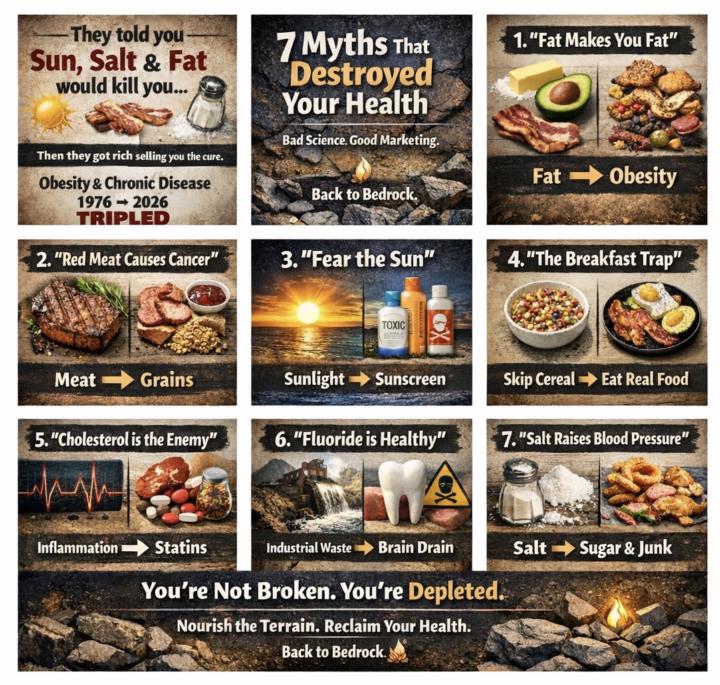
One of the core principles we teach inside Bedrock is this: Human biology hasn’t changed in 100,000 years. What’s changed is our environment, food system, and messaging. Most people are not “failing” at health. They are following advice that was never designed around human physiology. Below are 7 common health narratives worth examining more closely—not as dogma, but through the lens of terrain, context, and biology. 1️⃣ “Fat makes you fat” Fat is not just fuel—it’s structural. • Cell membranes are lipid-based • Hormones are synthesized from fat • The brain is ~60% fat When dietary fat was removed, it was replaced with refined carbohydrates and industrial seed oils. That shift correlated with rising insulin resistance, inflammation, and metabolic dysfunction—not improved health. Takeaway: The issue isn’t fat. It’s metabolic context. 2️⃣ “Red meat causes cancer” Most studies do not distinguish between: • Grass-fed, whole cuts of meat • Ultra-processed meats with preservatives and fillers Humans consumed animal protein long before modern chronic disease became widespread. Takeaway: Processing matters more than the food itself. 3️⃣ “Sunlight is dangerous” Sun exposure regulates: • Vitamin D synthesis • Immune function • Circadian rhythm • Mood and hormone signaling Avoidance without context can contribute to deficiency and dysregulation. Takeaway: Intelligent exposure > total avoidance. 4️⃣ “Breakfast is the most important meal” This idea emerged alongside packaged food marketing. Historically, humans ate when food was available—not by the clock. Constant eating keeps insulin elevated and limits metabolic flexibility. Takeaway: Timing should support your physiology, not a slogan. 5️⃣ “Cholesterol is the enemy” Cholesterol is essential for: • Hormone production • Brain and nerve function • Cell repair Cardiovascular risk correlates more strongly with inflammation, insulin resistance, and metabolic health than cholesterol alone. Takeaway: Markers matter—but so does context.
0 likes • Mar 11
I’m eating more red meat than I have in the past. Should I be concerned about my health if I can’t afford the grass fed, best quality meats? Another question: is 5 Guys burgers bad? I just had one and now have a stomach ache and headache.
0 likes • Mar 11
@Leanna Cappucci I had a cheeseburger with lettuce and tomato, only. I regret having the cheese; it was probably american.
Feb 5 •
Kaizen + Bedrock: The 1% Reset Through the 7 Pillars of Health
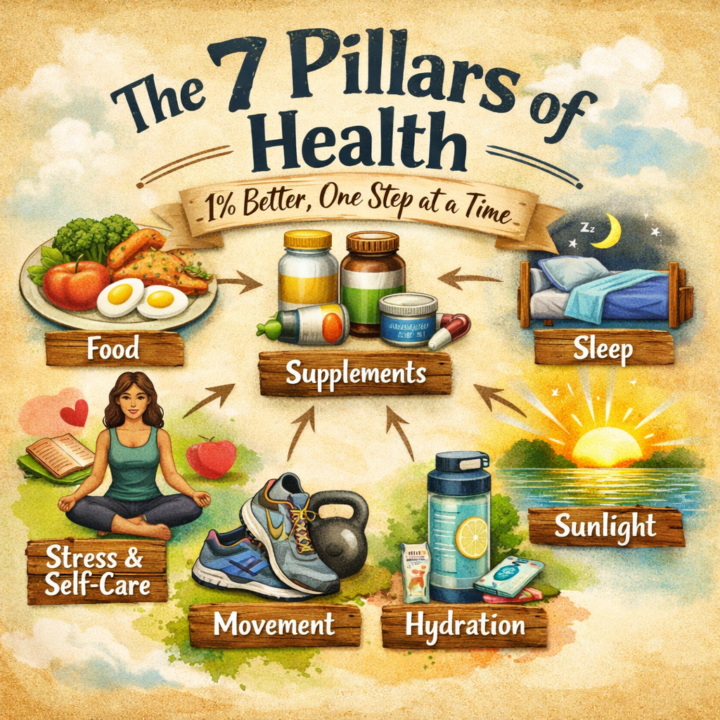
Feeling overwhelmed? Not sure where to start? Start simply… Most people don’t fail because they’re lazy. They fail because they try to change everything at once—then life hits, motivation dips, and the plan collapses. Kaizen is the antidote. Kaizen is a Japanese philosophy that means continuous improvement—small, consistent upgrades that compound over time. Think 1% better, every day. Not perfect. Not extreme. Just aligned. Sustainable. Repeatable. And if you’re building health the Bedrock way, Kaizen fits like a glove—because our 7 Pillars of Health aren’t about a 30-day personality transplant. They’re about rebuilding your terrain, one brick at a time. Below is how to apply Kaizen to each pillar—with simple “1% moves” you can start today. The Kaizen Rule: One Small Change You Can Keep Here’s the framework: 1. Pick one pillar (not all seven). 2. Pick one tiny behavior (so small it feels almost too easy). 3. Tie it to an existing habit (after coffee, after brushing teeth, before bed). 4. Repeat until it’s automatic, then level up by 1%. The goal isn’t a dramatic transformation. The goal is a new default. 1) Food: 1% Better Fuel Food is foundational—but Kaizen reminds us: you don’t have to overhaul your pantry today. 1% Kaizen Moves (choose one) - Protein-first at one meal (eat the protein before carbs). - Add one “real food” item daily (fruit, eggs, meat, veg) before changing anything else. - Upgrade one ingredient: swap seed oils → olive oil/tallow/butter. - Replace one drink (soda/juice) with water or unsweet tea. - Do a “one-plate rule” at dinner (no grazing afterward). The Bedrock Win When you consistently improve inputs, your cravings, energy, and inflammation start changing without white-knuckling. 2) Supplements (Micronutrients): 1% Better Building Blocks Supplements should support a foundation, not replace it. Kaizen here is about consistency and clarity. 1% Kaizen Moves - Put your IDNutrition where you already are (by the coffee maker or toothbrush). - Start with one “anchor” supplement habit (AM pack & PM pack). - Hydration + minerals first (many “symptoms” are mineral and fluid balance issues). - Set a phone reminder for 7 days only, just to establish the groove.
1 like • Feb 19
@Leanna Cappucci thanks for this. I think I can do it.
Feb 7 •
Neuroterrain is Live in the Classroom
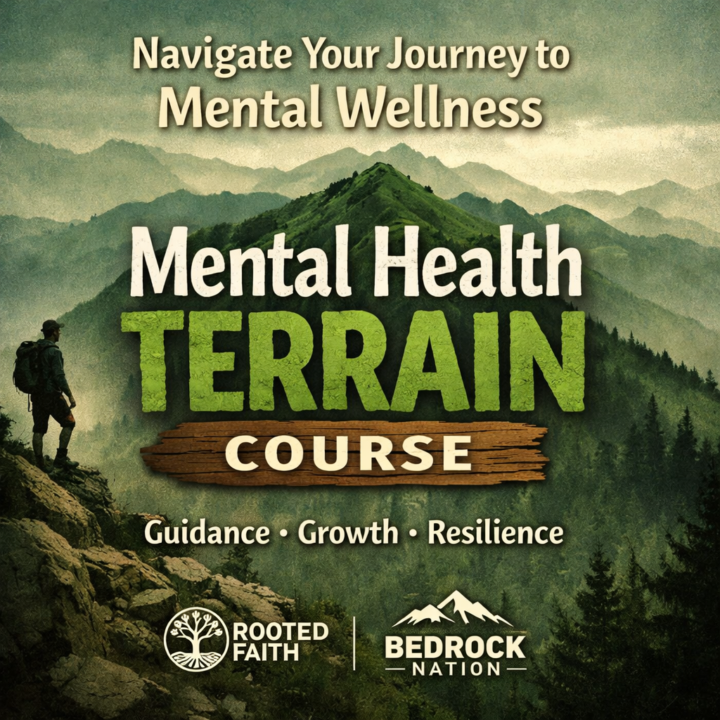
I’m excited to officially open access to my Mental Health Terrain Course: Neuroterrain, inside Bedrock Nation, here on Skool. So many people are trying to “think” their way out of anxiety, depression, brain fog, irritability, burnout, and overwhelm—while the terrain underneath their brain chemistry is screaming for support. This course is a root-cause, practical, and hope-filled framework for strengthening mental wellness by addressing the foundations that influence mood and cognition, including: • Blood sugar + metabolic stability • Gut–brain + inflammation • Nutrient depletion + mitochondrial support • Sleep + circadian rhythm • Nervous system regulation + daily rhythm “anchors” • Strategic lab testing (when needed) If you’ve been looking for a step-by-step, non-fluffy approach that connects the dots between physiology, lifestyle, and resilience—this is for you (and for the families you serve). Join the classroom here: https://www.skool.com/bedrock-nation-8489/classroom/ab34cae5 The cost of lifetime access to this course is $59.00 #MentalHealth #FunctionalNutrition #RootCause #NervousSystem #Wellness BedrockNation AnxietySupport HolisticHealth
0 likes • Feb 15
Is there a fee for this course?
Feb 11 •
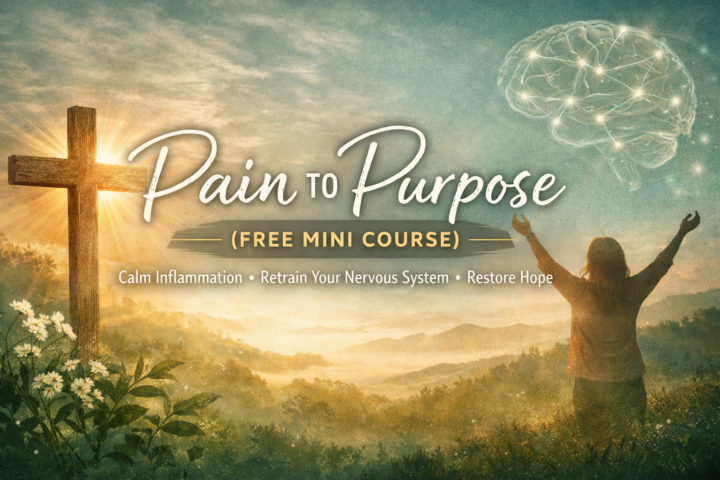
NEW + FREE inside Bedrock Nation: Pain to Purpose (Mini Course)
If pain has been loud — physically, mentally, emotionally — this is your starting point. 7 modules that blend: - inflammation foundations (food + hydration/minerals) - nervous system retraining (neuroplasticity) - essential oils + calming rituals - circadian rhythm (light • movement • sleep) - mindset + spiritual renewal - a simple long-term maintenance plan ✅ Self-paced✅ Or take it as a 7-day challenge (checklist included) 👇 Drop a comment: 1. your #1 symptom (just a word or two) 2. what you want to be able to do again Then go start Module 1 today in the classroom section of this group! https://www.skool.com/bedrock-nation-8489/classroom/f66e3070?md=9607b6197c374a159caa2c77df250785
1 like • Feb 12
Neck and head pain; anxiety I want to be less crippled by my emotional and physical symptoms
1 like • Feb 14
@Leanna Cappucci I did read on the vagus nerve. I learned a lot. I’ll check out neuroterrain.
1-6 of 6

Active 16d ago
Joined Jan 26, 2026
Somerset, MA