
Write something
Pinned
Apr 13 •
Your custom thumb-pulling report (PDF included). For free :)
This took a lot of work, but it is finally up: For anyone struggling with pain, inconsistency, or slow progress. Is your routine effective, or do you lack the support your structure needs? A completely free thumb-pulling assessment. Take a quick quiz of less than three minutes. Receive: - Custom scores on the three pillars: comfort, consistency and progress. - Discover what mistakes you are making. Discover your exact next steps to fix them. - Get a custom, comprehensive PDF guide. It will support you time and again throughout your journey. 100% made by me, Biomechaneer Santiago Figarola. Based on my years of experience going from structural collapse to feeling, performing and looking better and better by the day. More than 4mm of expansion at 22. Take the assessment and learn how: https://quiz.biomechaneer.com/thumbpulling-assessment Let me know if it helps :) Edit: feel free to share your results in the comments
Pinned

Jan 23 •
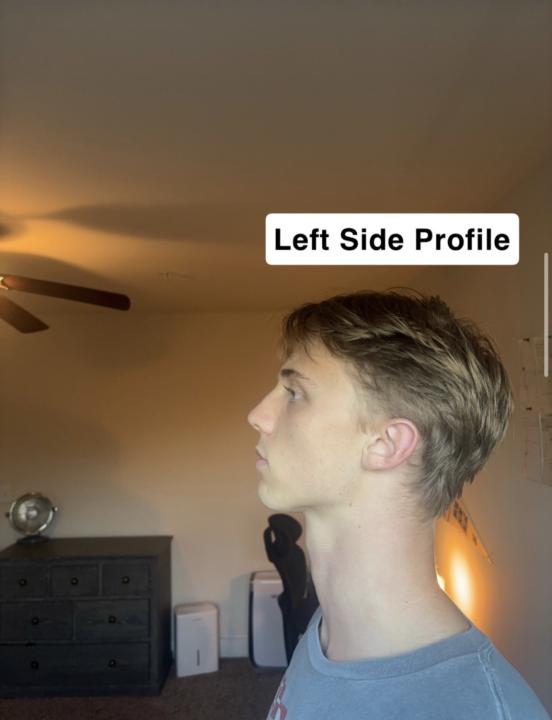
Progress
wanted to share my six month progress with reviv. Most changes have just come from posture I think. Hopefully I can help motivate yall!

2d •
Dry mouth
I realize that sometimes when I wake up, my mouth is dry , on night wearing the r2. I’m not sure if saliva is not getting all around the mouth or something , any help is great.
0
0

25d •
ADHD and mental focus
Hi all, I've been on reviv (and I do some intuitive stretching) for about 1.5 years now. I feel like my mental focus and ability to work has not improved I've never been diagnosed with ADHD but I suspect I am somewhat ADD (I lack the hyperactivity imo) I don't know if it's because I'm currently in a valley where things are getting worse (compared to the peak when things are improving) but even though I feel like I've seen physical changes (better posture etc), I really...don't have that many mental improvements, especially around self discipline. Q: have you guys had true mental self discipline improvements, especially if you had ADHD or were prone to your mind wandering? I'm worried that just like my true posture is being excavated thru reviv, that my true mental is being revealed and unfortunately it's one that (unlike Ken) is not suited for hours of work 😶

1-30 of 254
powered by
skool.com/santiago-figarolas-hub-9405
Health, function, and beauty optimisation with biomechanical self-engineering guides and advice.
With the help and support of a growing community.
Suggested communities
Powered by