
Pinned

⭐
14h •
"The Scent That Started Your Journey" Challenge (Winner gets a gift!)
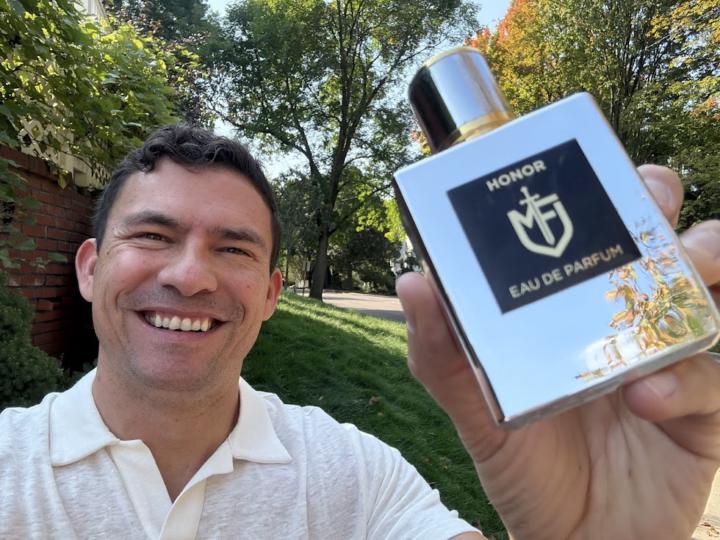
Every fragrance enthusiast has a "Point of No Return." It’s that first bottle that made you realize scent isn't just about "smelling clean" - it’s about identity, confidence, and how you choose to command a room. It was the moment you stopped grabbing whatever was on the bathroom counter and started building a signature. Today, we’re kicking off a 7-day challenge to find the "Gateway Scent" that started your journey. The Challenge: "The Scent That Started Your Journey" We want to hear about the specific fragrance that opened your eyes. Maybe it was a gift that made you feel like a man for the first time, or a scent you saved up for because you saw it on someone you respected. What was the bottle that turned "getting ready" into a ritual? HOW TO JOIN (Super easy) Drop your story in the comments under this post. Use this quick format: 1. The Scent: What was the fragrance that started it all? 2. The Origin: Who wore it, or how did it find its way into your hands? 3. The Representation: What did that scent represent to you at the time? (Sophistication? Power? A new chapter?) 4. The Journey: Where has your fragrance journey taken you since that first bottle? Optional: Feel free to attach a photo of the fragrance. HOW THE CHALLENGE WORKS - Challenge will run for 7 days (starting today until Jan 23rd) - Post your story in the comments of this post (not separate posts) - Our team will personally pick the winner at the end - Winner will be announced next week Friday Jan 23rd - Winner gets a surprise gift from Antonio 🎁 WINNERS WILL BE PICKED BASED ON - Detail and quality of your comment (70%) - Thumbs up from others (5%) - Paid members will have plus points. RULES & LIMITATIONS - Must be Level 5 or higher to win - Free shipping (USA only; forwarding addresses accepted) The floor is yours. Which bottle changed the game for you? Tell us the story that started your fragrance collection below. 👇
Pinned

15h •
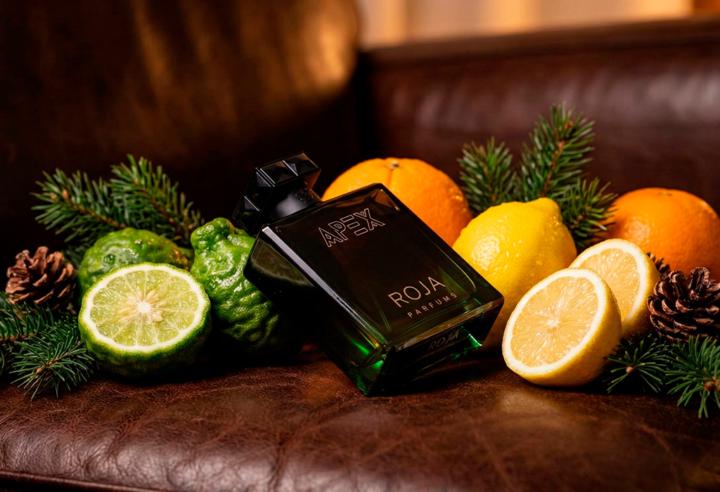
Roja Rare Deals!!! Up to 50% OFF
🟢 APEX 49% OFF https://get.aspr.app/SH1VVu Bright citrus and pineapple over green smoky leather and woods. 🥤 Enigma Pour Homme 48% OFF https://get.aspr.app/SH1Pjm A fizzy, vanillic-cognac gourmand that opens like a sweet soda-pop and dries down to warm tobacco and spice. 🔥 Elysium 50% OFF https://get.aspr.app/SH1NqL 50%OFF A sophisticated masculine blend of citrus, juniper, and woods — pure elegance and energy in a bottle.
Pinned
⭐
Feb '24 •
Introduce Yourself - Post ALL Intros HERE!
Introduce yourself and level-up, it's that simple! You'll get at least 5 likes (oftentimes more!) which will move you to level 2 and on your way to level 3 (these levels give you access to prizes!). What to say in your intro? Share where you're from, your reason for joining, your profession, perhaps your favorite fragrance or a picture of your entire collection! Whether you're a seasoned cologne collector or just starting, have fun engaging with the group.

13m •
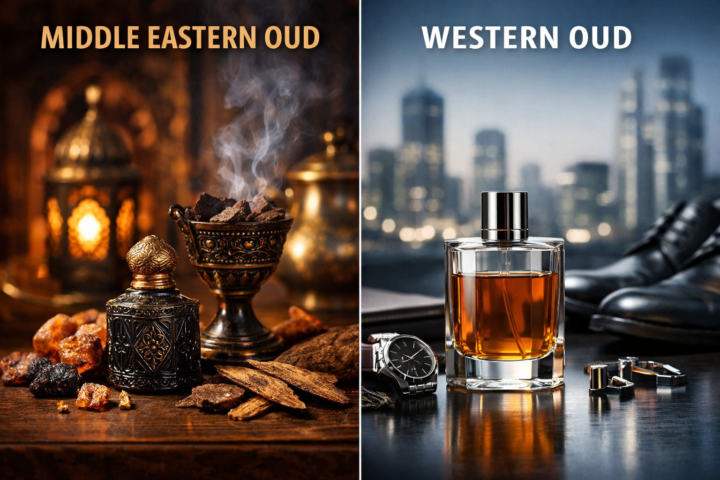
OUD- East vs West
Brothers, I’ll be honest—oud was one of the hardest fragrance styles for me to understand when I first got into cologne. I kept hearing people talk about how rich and luxurious it was, especially Middle Eastern oud, but when I actually wore it, I realized there’s a big difference between that and the oud you usually find in Western fragrances. Traditional Middle Eastern oud is intense. There’s no easing into it. It’s smoky, woody, sometimes almost funky or medicinal, and it lasts forever. One spray can easily stick around all day and into the next. The challenge for me is that it doesn’t always fit normal day-to-day life. Wearing something that strong to work, running errands, or going out casually can feel awkward. It’s like wearing a tuxedo to the grocery store—it smells amazing, but it can feel out of place. Western Oud Feels Safer and Easier Western oud fragrances are way easier to wear. They usually smooth everything out with sweetness, amber, vanilla, or other woods. You still get that dark, rich vibe, but it’s cleaner and more familiar. The downside is that sometimes it doesn’t really feel like real oud. It smells good, but it can feel watered down compared to the bold stuff. If you’ve tried authentic oud oils or Middle Eastern blends, Western oud can feel like a toned-down version meant not to offend anyone. Another thing I learned is that Middle Eastern oud seems made for heat. In warm weather or outdoors, it actually smells better—richer and smoother over time. But in cooler weather or indoors, especially in an office or tight space, it can feel heavy fast. Western oud works better in air-conditioned rooms, offices, and close-up situations. It doesn’t push as hard and feels more “normal” around other people. Projection Is a Real Issue Middle Eastern oud doesn’t care about personal space. It projects, it announces itself, and it sticks around. That’s cool when you want to make a statement, but it can also make you self-conscious if you’re worried about overwhelming people.
🔥
2h •
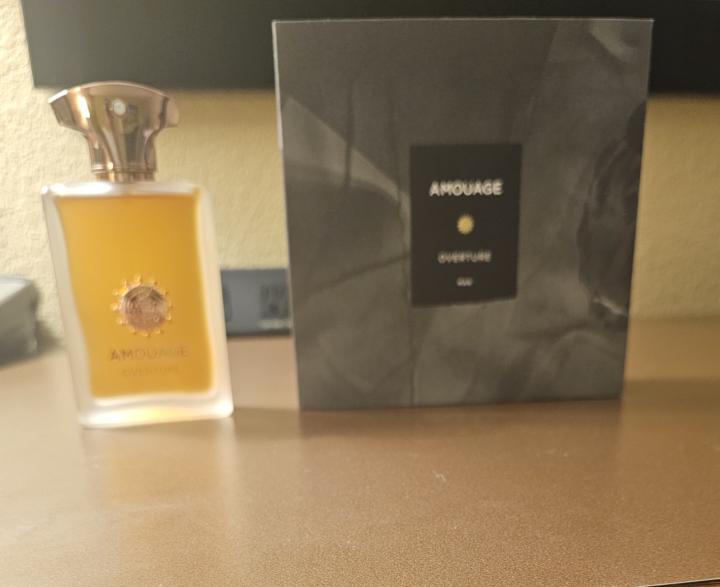
Finally arrived
So ordered these two back in the last week of October finally arrived yesterday. Overture Man by Amouage and Fall of Phathon by Argos. Reviews to come.
1-30 of 38,196
Leaderboard (30-day)
1

🔥
+8449
2

🔥
+7957
3
🔥
+7901
4
🔥
+7754
5

🔥
+7551
Powered by