
Pinned

15h •
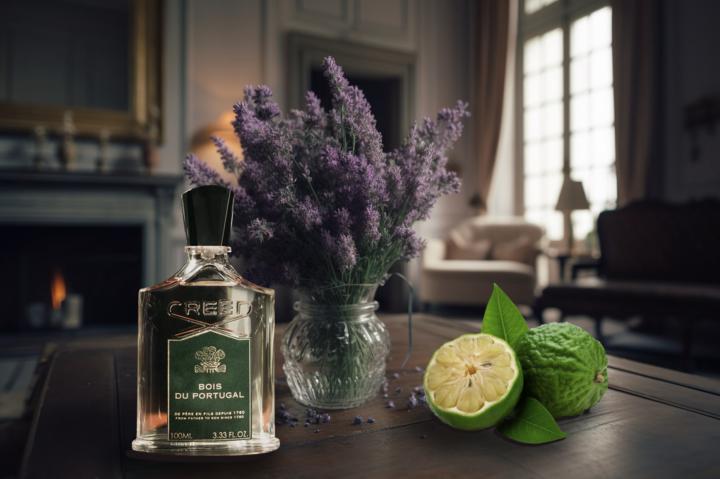
🔥 Creeds Super Sale! Up to 49% OFF
👑 Creed Bois du Portugal – 49% OFF https://get.aspr.app/SH1WBw Classic barbershop elegance with smooth woods and lavender sophistication. 🌿 Creed Original Vetiver – 44% OFF https://get.aspr.app/SH1WBv Clean, fresh, and refined — a crisp green vetiver for everyday luxury.
Pinned
2d •
Inside the Inner Circle: Why Men Are Upgrading
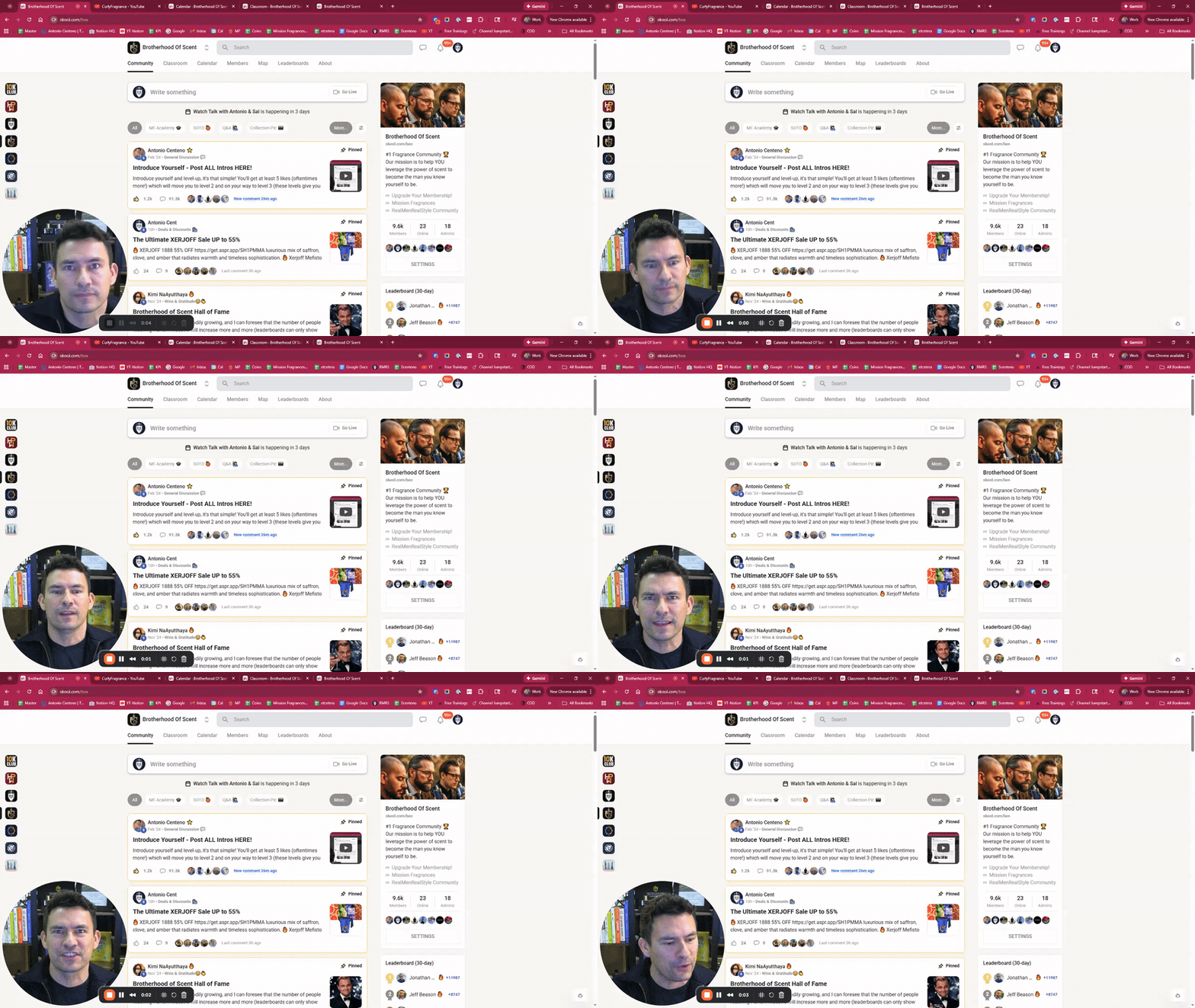
I’ve stacked so much value into Brotherhood Of Scent Premium that honestly it’s a no-brainer to upgrade https://www.skool.com/bos/plans I share the juicy details in this new video - click here - Direct access to experts & influencers — ask your questions & get insider info. - Private mastermind calls where real conversations actually happen. - Best-deal sourcing on watches, fragrances, and clothing. - A tighter circle of serious men — not casual lurkers. - Priority responses from Antonio via DM. - Hidden bonuses for annual Premium/VIP members. - Permanent grandfathered lower-pricing before Jan 1st. Click here to join us https://www.skool.com/bos/plans
Pinned

⭐
Feb '24 •
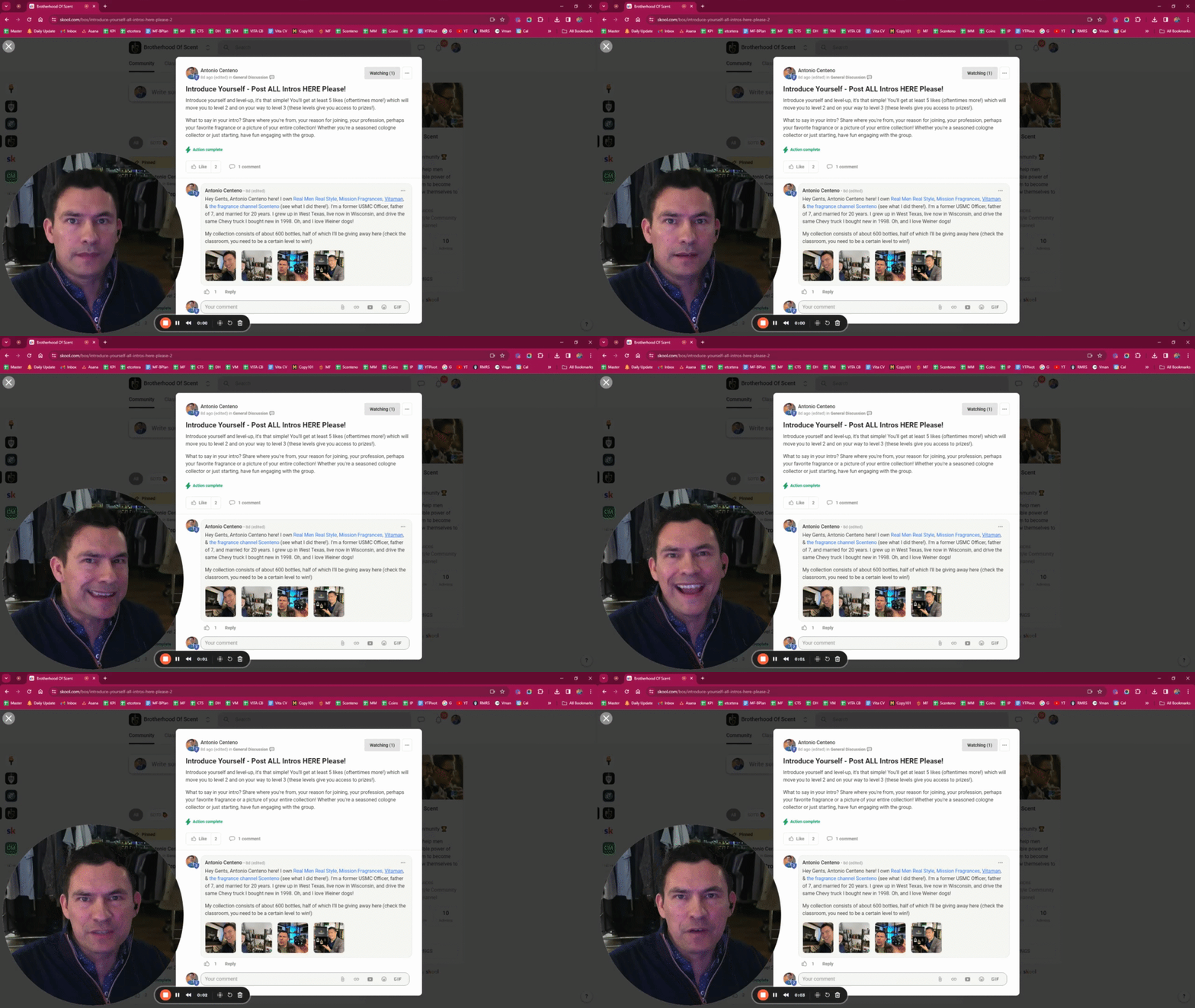
Introduce Yourself - Post ALL Intros HERE!
Introduce yourself and level-up, it's that simple! You'll get at least 5 likes (oftentimes more!) which will move you to level 2 and on your way to level 3 (these levels give you access to prizes!). What to say in your intro? Share where you're from, your reason for joining, your profession, perhaps your favorite fragrance or a picture of your entire collection! Whether you're a seasoned cologne collector or just starting, have fun engaging with the group.

🔥
34m •
Mind Trickery!!! Can you be Pursuaded!!! Things no one ever tells you and the genius of Marketing and Packaging
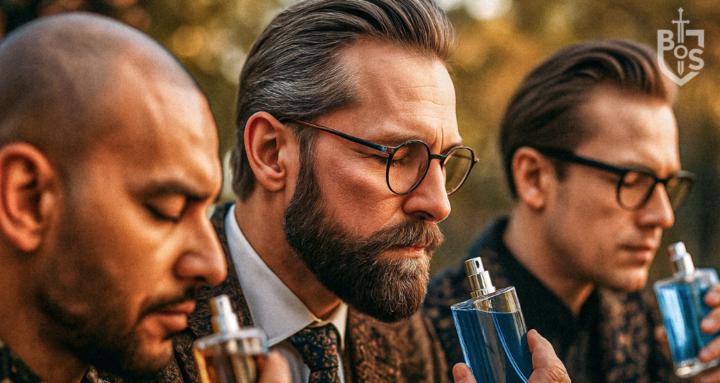
Has this ever happened to you where you percieved a bad to mediocre fragrance as being great? I know we touched a little bit about perception based on brand names. Give me some of your thoughts. Below is some Data put together scientifically as to some reasons why. The mind can be "tricked" into perceiving a bad or mediocre cologne as good through several psychological mechanisms that override direct sensory input. This phenomenon relies on the brain's unique wiring, where scent is processed in the limbic system—the center for emotion and memory—before reaching areas for conscious thought. 1. Placebo and Expectation Effects The strongest driver of altered perception is expectation. If you believe a fragrance is high-quality, your brain may interpret the sensory data to match that belief. - Branding and Packaging: In studies, consumers rated the exact same scent higher when it was presented in premium, sleek packaging versus a plain bottle. - Pricing "Halo": High prices can create a "halo effect," leading the brain to associate the cost with superior quality, making a "bad" scent seem sophisticated. - Cognitive Priming: Being told a scent is a "natural, healthy extract" versus a "hazardous chemical" changes how the brain adapts to it; those told it is healthy are more likely to perceive it positively. 2. Emotional and Memory Anchoring Because scent is directly linked to the amygdala and hippocampus, emotional associations often precede rational evaluation. - Scent Memory: A cologne that objectively smells unpleasant might be perceived as "good" if it triggers a powerful positive memory, such as a loved one or a happy childhood event. - Contextual Pairing: If a cologne is worn during a high-status or emotionally rewarding event, the brain may permanently associate that specific scent with those positive feelings, regardless of its chemical quality. 3. Social and Cultural Influence Perception is often shaped by external validation and learned behavior rather than the odorant molecules alone.

2h •
Daily Motivation - 12/19/25
“A perfume is a memory in liquid form.” — Francis Kurkdjian Every spray adds to your story. Make today one worth remembering!! Enjoy the #Journey. Love to hear from ya’!

1-30 of 36,564
skool.com/bos
#1 Fragrance Community 🏆
Our mission is to help YOU leverage the power of scent to become the man you know yourself to be.
Leaderboard (30-day)
1

🔥
+11994
2

🔥
+8890
3

🔥
+8406
4

🔥
+7979
5
🔥
+7855
Powered by