
Write something
Pinned
3h •
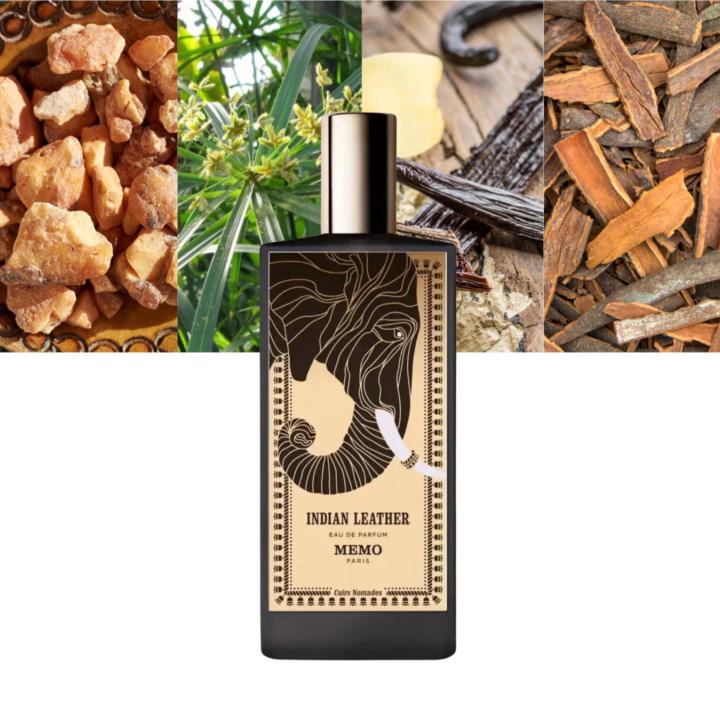
🥃 Memo Paris Leather Travels – Masculine Leathers on Sale
🔥 Memo Indian Leather – 54% OFF https://get.aspr.app/SH1euq Spiced, smoky leather with warm, exotic adventure-ready depth. 🍀 Memo Irish Leather – 51% OFF https://get.aspr.app/SH1lUv Green leather with mate tea and birch — verdant and refined. 🐪 Memo African Leather – 50% OFF https://get.aspr.app/SH1SvV Raw, animalic leather with saffron and oud — bold and untamed. 🌍 Memo Italian Leather – 63% OFF https://get.aspr.app/SH1SvU Smooth, refined Italian leather with herbal-aromatic sophistication. 🏜️ Memo Moroccan Leather – 52% OFF https://get.aspr.app/SH1UxX Exotic spiced leather evoking the Marrakech medina at golden hour.
Pinned

23d •
Why Join Brotherhood Of Scent Premium?
I’ve stacked so much value into BOS Premium that honestly I think it’s a no-brainer YES decision to join. https://www.skool.com/bos/plans The details: - "Inner Circle Mastermind" LIVE Monthly Call Access Q&A with Perfumers & Frag Experts - Access To 5+ Premiun Fragrance Courses Designed To Level Up Your Knowledge of Scent - $1,000+ in retail discounts & price check guarantee (always get best deal save $$$) - Access To Challenge & Prizes - As a Patron the "activity" requirement doesn't apply to you. Thank you for your support! - Complete Mission Fragrance Set ($595 Value) - Your own "Personal Fragrance Concierge" (PFC) to help choose your perfect scent - MF Academy & Mindset Coaching ($2,000 Value) - Three Travel Atomizers (value $45) & Limited Edition MF Challenge Coin (value $35) - Invite To LIVE Event (Dallas, Oct 2026) Click here to join us - https://www.skool.com/bos/plans
55
0
11h •
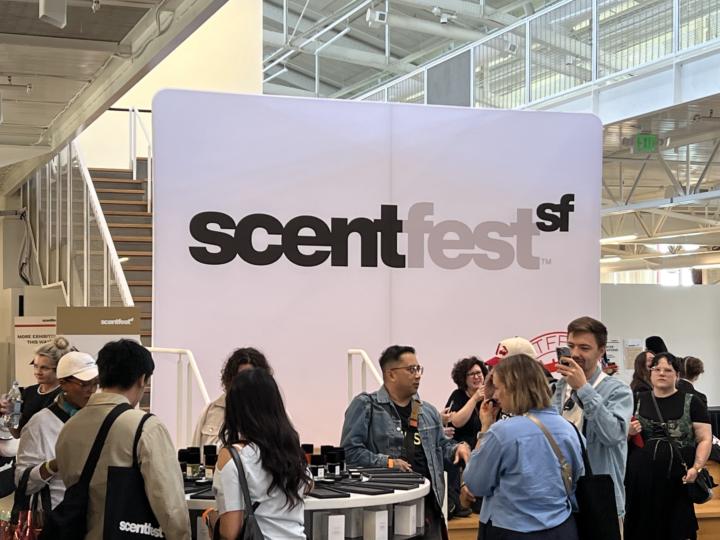
ScentFest ‘26 Photo Dump
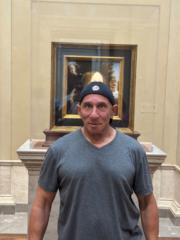
It was a pleasant, sunsplashed Saturday afternoon with family members at the Mason Center on San Francisco Bay. I ran into Sebastian, and he assured me the event was a smashing success (photo with my wife). The event was slightly too crowded for my aristocratic taste, but it was certainly manageable. It was particularly gratifying to encounter a number of niche houses I hadn’t known or had only heard about, most of them quite small. I was most impressed by Costume National, Nicolai Parfumeur, Lorenzo Pazzaglia, Perfumers Apprentice and Wren Atelier. Zoologist was a distinct disappointment. The Nishane “ambassador” did not acquit himself well, let’s just say. But on the whole, it was a profitable experience. I snagged a few frags (below). For FragVille citizens, it’s a great time to be alive — despite the repetitive trash that’s being released every year.
🔥
15h •
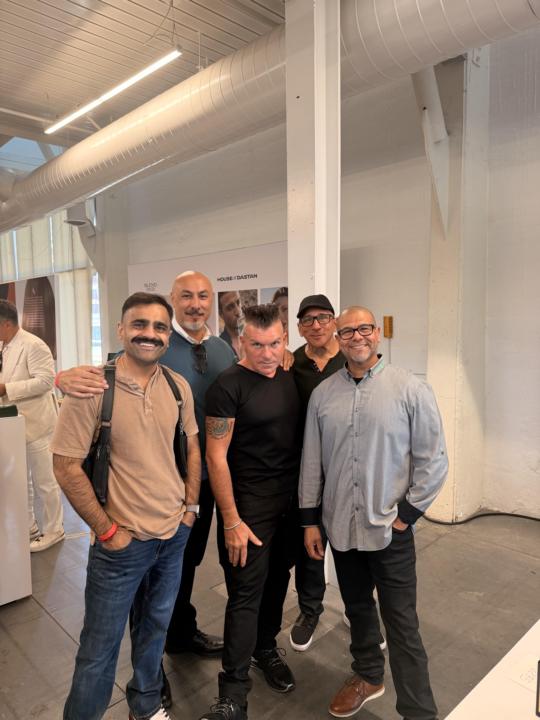
Scent fest!!!
Met up with these guys and went for great food!!! Great guys @Thomas Chavez @Aditya Choksi @Henry Clay great guys and we went for great Chinese food.

🔥
27m •
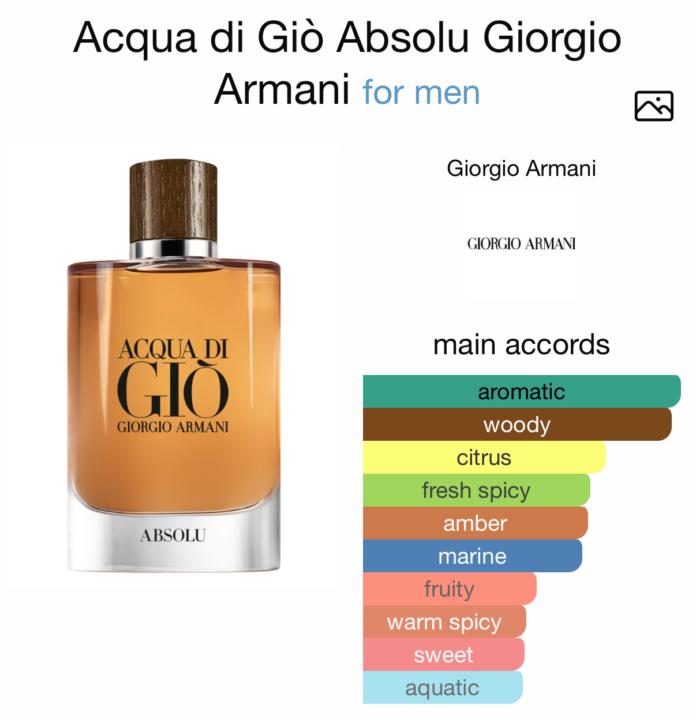
SOTD- Sunday June 28th: Acqua di Gio Absolu
Wearing a discontinued gem today. Forgot I even had this in the collection! You know you’ve got a big collection when you forget about certified bangers like this one!
3
0
1-30 of 43,817
skool.com/bos
#1 Fragrance Community 🏆
Our mission is to help YOU leverage the power of scent to become the man you know yourself to be.
Leaderboard (30-day)
1
🔥
+2812
2

🔥
+2099
3

🔥
+2006
4

+1266
5

🔥
+1220
Powered by