Activity
Mon
Wed
Fri
Sun
May
Jun
Jul
Aug
Sep
Oct
Nov
Dec
Jan
Feb
Mar
Apr
What is this?
Less
More
Memberships
Beyond Light Academy
31 members • $49/month
147 contributions to Beyond The Detox

7h •
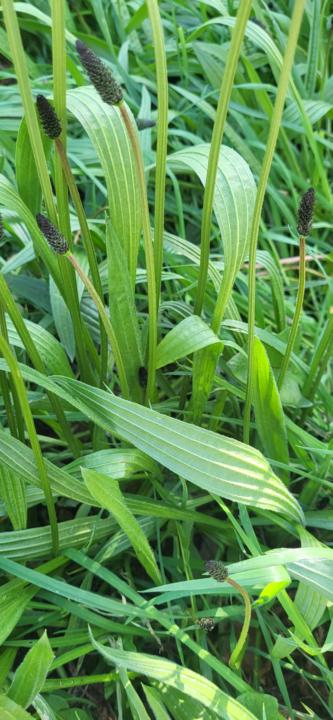
Forage finding. RIBWORT PLANTAIN
Ive just noticed my from garden absolutely covered in Plantain, reasons why I leave the garden grow wild in spring, so much is over looked and not used as food or medicinal uses Ribwort Plantain (Plantago lanceolata) is entirely edible and highly nutritious, with leaves and seed heads offering a mushroom-like flavor. Young leaves can be eaten raw in salads or cooked, while mature leaves are best steamed or used in soups, though they can be bitter and fibrous . The unopened flower heads have a distinct, delicious mushroom taste. Edible and Culinary Uses - Leaves: Best collected in spring, young leaves can be added to salads. Older leaves are quite fibrous, so it is recommended to remove the tough, stringy veins. - Flower Heads: Green, unopened flower heads can be eaten raw, providing a crunchy texture with a strong mushroom flavor. - Seeds: Mature seeds can be ground into flour or cooked similarly to sago. - Nutritional Value: This plant is packed with nutrients, including Calcium and Vitamins A, C, and K. Medicinal and Other Uses - Nature's Band-Aid: The leaves are famously used to help stop minor bleeding, as well as soothe bee stings, nettle rash, and insect bites. Rub the leaves into a ball in the palm of your hands to release moist elixir within the leaves, apply to sting or wound. - Medicinal Tea: Dried leaves can be used in teas to soothe coughs and respiratory issues. Foraging Notes - Identification: Look for long, narrow leaves with strong, parallel ribs running from top to bottom. - Safety: Always forage in clean areas, away from high pollution or dog-walking paths. - Preparation: Boiling, steaming, or frying older leaves helps mitigate their fibrous texture. In the UK they grow anywhere, even in cracks in the pavement. A very hardy herb. Go search your garden, see what is growing.
1
0
3d •
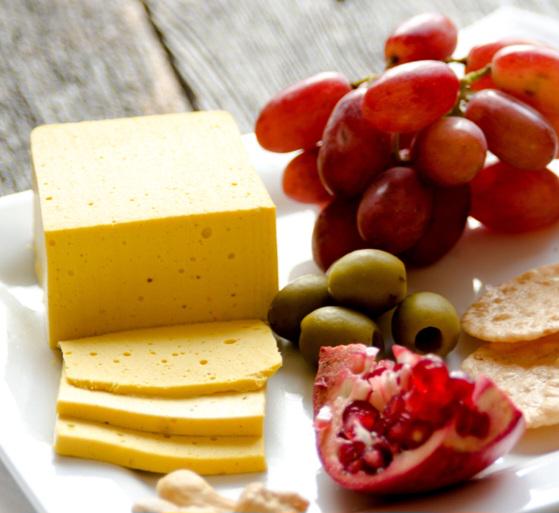
Make your own Vegan Cheese.
Are you missing that cheesy flavour to your dishes but don't or can't eat dairy? Here is a vegan alternative. This quick, sliceable vegan cashew cheese is made by blending 2 cups soaked raw cashews, ⅓ cup refined coconut oil, 2 tbsp olive brine, 2 cloves garlic (or whatever you prefer for flavour,) and salt, then setting it in the fridge. For better texture and meltability, agar agar powder is used to create a firm, sliceable block. 🧀 Key Ingredients - Base: - Fat/Structure: ⅓ cup Refined Coconut Oil (crucial for firming). - Cheesiness: 2-4 tbsp Nutritional Yeast. - Flavor/Acidity: 2 tbsp Lemon juice or Olive brine, 2 cloves Garlic, or onion powder, or chives or whatever you prefer for flavour. - Set/Texture: 1 tbsp Agar Agar Powder (not flakes). 👩🍳 Instructions 1. Prep: Soak 2 cups cashews in boiling water for 10 minutes, then drain. 2. Blend: In a high-speed blender, combine cashews, oil, brine, garlic, salt, and nutritional yeast until completely smooth. 3. Activate Agar: Boil 1 cup of water with 1 tbsp agar agar powder for 1-2 minutes. 4. Combine: Pour the agar mixture into the blender with the cashew mixture and blend again quickly. 5. Set: Pour immediately into a container (or mold) and refrigerate for 1-2 hours until firm. 💡 Tips - Melty Mozzarella: Replace agar with 2–4 tbsp tapioca starch and cook on the stovetop until gooey. - Nut-Free: Use cooked chickpeas or white beans as a base. - Storage: Store in an airtight container in the fridge for up to a week. Eat and Enjoy.
1 like • 1d
@Monja De Jager I'm sure it will be just grand. 🤗
0 likes • 10h
@JoJo Light same as that 🤗👩🍳

2d •
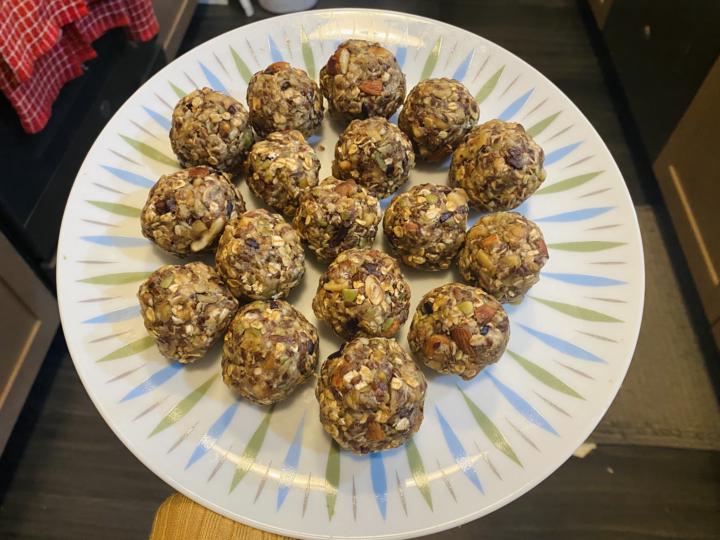
Energy balls
I feel tired this week for detoxing parasites so I made my first ever energy balls. It has raw cacao, almond, chia seeds, flax seed, pumpkin seeds, walnuts, and bananas. Oh and some oats. P/s : no bake but I roasted some of the nuts because they smell good when roasted.
2 likes • 1d
They sound delicious 😋..i think I'll have to try these at some point. Think I'll leave out the cacao tho and add a teaspoon of Manuka honey instead 🤗
4d •
Alkaline Recipe ideas
If anyone has any recipe ideas for alkaline based foods , I'd love to hear. Basically I can't eat dairy, spicy, citrus, no peppers, onions, some herbs like oregano, no mustard, no tomato's. No gluten, wheats. Mainly can eat leafy greens, green veggies, water based fruit and banana. Plant based yoghurt. Brown rice (not often) quinoa, Im eating porridge for breakfast with oat milk, and for dinner sweet potato carrot soup, or green salad, or baked sweet potato with raw green veggies. I drink aloe Vera gel. Slippery elm, marshmallow root, and fennel tea. Chamomile at bedtime. Water through out the day. I'm getting a bit bored and stuck with recipes. The autistic repeating programming is making me want to eat just porridge and nothing else or just water melon. Im not looking forward to meal times and sometimes don't feel like eating at all. Gastritis suggested recipes online are no good, they always seem to add lemons or limes, or peppers, things that aggravate my stomach. Feeling some what stuck 😕 (Random photo I took yesterday of a stonechat. He saw me taking a photo. Lol and my dog amongst the sea thrift pinks )

2 likes • 3d
@Emma Mahoney Collie cross are definitely great breeds..😁 Horseradish is a no no right now, Too much of an irritant for me. Tho when I was a student at college, I was always making tuna sweetcorn and Horseradish sandwiches....so good.. Totally Vegan now, it's much better for my tum tum. But that mix with watermelon and Horseradish I'd never have thought of that combo. Hot and cooling at the same time. 😄 That's some great experimenting 😁 I think im gonna make some lettuce wraps, grated carron, courgette shreds, grated sweet potato, chopped mushrooms, and cucumber with either hummus or mint yoghurt dressing with grated ginger. I used to make something similar. Lettuce wraps with grated cheese and lettuce. That was good. 😋
1 like • 1d
@Emma Mahoney very interesting indeed. 🤗

4d •
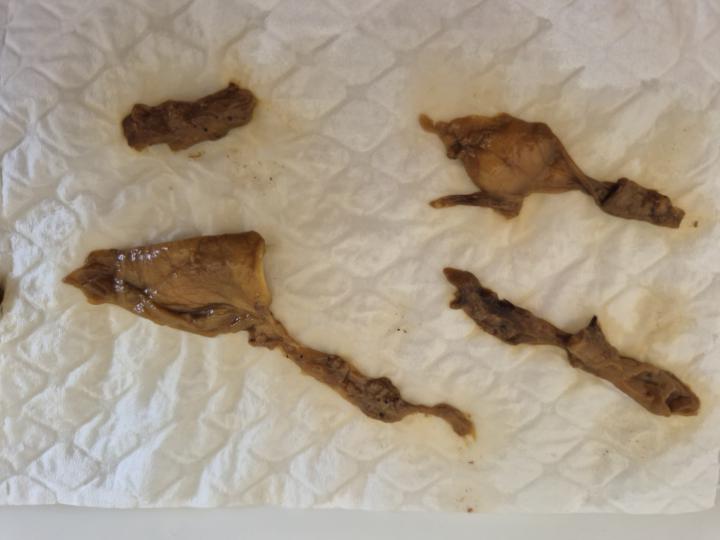
Eviction Notice
So I think my parasite friends got the memo about me starting the Parasite protocol today. Here's a few snaps of them 📸 Im thinking maybe some flukes... these look very meaty 😬 And some weird black worms, but maybe that's some charcoal mixed in. I'm not sure of the species and I guess it doesnt even matter, just glad they are exiting my body, finally 🩷
3 likes • 3d
Way to go. Charcoal will make it all black. Zeolite is another option if you don't want black poop. But charcoal is generally a good binder. Epic going..remember to break contracts from the parasites too. It goes deeper into the healing and releasing.
1-10 of 147