Activity
Mon
Wed
Fri
Sun
Aug
Sep
Oct
Nov
Dec
Jan
Feb
Mar
Apr
May
Jun
Jul
What is this?
Less
More
Memberships
Fit 'n Healthy Forever
687 members • Free
86 contributions to Fit 'n Healthy Forever

May 17 •
Training update
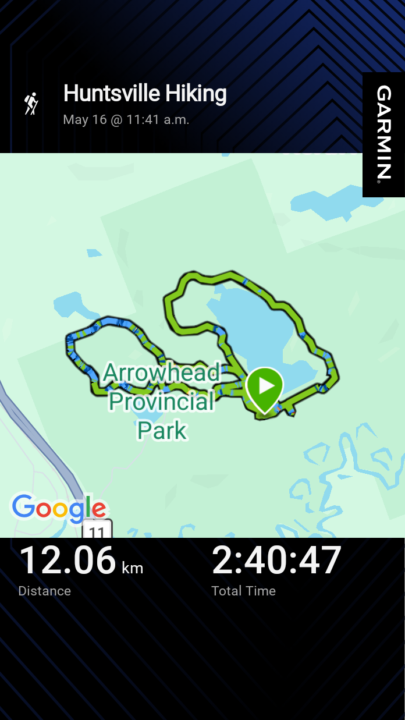
This summer we will be hiking Mont Blanc. For the last month we've been hiking every weekend, testing our gear and getting ready. On top of all this I've been maintaining my runs and workouts. This trip will be an epic challenge and looking forward to it!
0
0
Mar 30 •
Running
Getting more mileage in and going for longer distances! I've hit 8k twice in 2 weeks now to hit a 9k this week!
1
0
0 likes • Mar 15
@Rheece Hartte thanks 😊
0 likes • Mar 15
@Rheece Hartte for fat loss
Mar 13 •
Wins this week
Another 3 runs in this week with the longest at 8kms. Pretty happy that I'm getting the mileage in!
0 likes • Mar 15
@Rheece Hartte yep, eating right and getting enough rest
Mar 7 •
Mindset
This past month I've said to myself that I would commit to 3 runs a week and I have! Looking forward to another month of solid effort!
2
0
1-10 of 86

@sean-osztian-3860
Father of two adult children. Member of the Canadian armed forces for the last 35 years so I have a very good understanding of physical fitness 😊
Active 8d ago
Joined Oct 17, 2024
Powered by