Activity
Mon
Wed
Fri
Sun
Jul
Aug
Sep
Oct
Nov
Dec
Jan
Feb
Mar
Apr
May
Jun
What is this?
Less
More
Owned by Lisa
Come home to yourself, rebuild self-trust, heal your relationship with food, and create a life aligned with who you are now.
Memberships
16 contributions to Inspired Life, Empowered Being

🔥
4d •
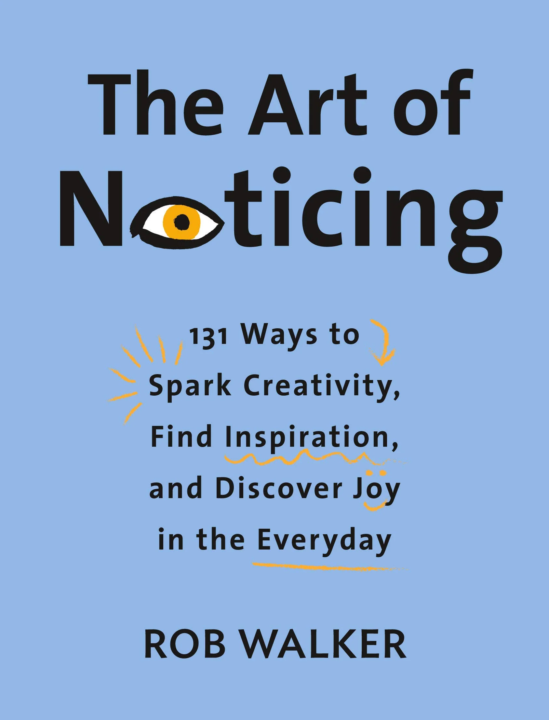
The Art of Noticing (Day 1: Conduct a Scavenger Hunt)
𝐃𝐀𝐘 1 𝐂𝐇𝐀𝐋𝐋𝐄𝐍𝐆𝐄: 𝐂𝐎𝐍𝐃𝐔𝐂𝐓 𝐀 𝐒𝐂𝐀𝐕𝐄𝐍𝐆𝐄𝐑 𝐇𝐔𝐍𝐓 Most of us move through our days on autopilot, noticing only what's familiar or immediately relevant. This scavenger hunt is designed to interrupt that pattern. By intentionally searching for specific objects, colors, shapes, textures, or experiences, you'll train your attention to pick up details that would normally go unnoticed. So...pick a goal and tell us what you've found! Super plus if you can take a picture! Some examples: - Something yellow - A heart shape - A reflection - Something older than you - Something handmade - A plant growing in an unexpected place - Observation-Focused - Evidence that a human was here - Evidence that an animal was here - Something that has changed over time - A pattern that repeats - Something you have passed by many times but never really noticed - Creative - Something that looks like a face - Something that reminds you of your childhood - Something that symbolizes hope - Something that represents resilience - Something beautiful that most people would overlook - An object that could inspire a story - Something that seems out of place - A "hidden treasure" in an ordinary setting - People & Community - An act of kindness - Evidence of creativity - Something that tells a story about your community - A sign of hard work - Something that makes you smile What were you on the lookout for today and what did you notice? Thanks to @Steve Webb and his group 30daychallengers for introducing me to the book The Art of Noticing. His community offers one live 30-day challenge every month. It provides a space where we can turn good intentions into action and each day there is a daily prompt/action related to the month's challenge. This month's challenge is 30 days of sunlight, movement, and remembering what the real world feels like. There's access to previous challenges as well and the community is great about support!

🔥
2 likes • 4d
@Georgiana D I like the reflection of light one!!
🔥
2 likes • 4d
@Georgiana D 💚
🔥
15d •
Pause.
Taking one for a few days. Truly thankful for each of you. If you want to drop some wisdom you've gathered in your life, would love to start a thread on that! That'd be cool but no pressure. Truly appreciate you all. 💗 See you soon.🤗
🔥
2 likes • 14d
@Ruth aka Grace Rose 💚
🔥
1 like • 14d
@Ruth aka Grace Rose
🔥
Mar 26 •
Emotional Blackmail
"if you really loved me...." ,Don't leave me or I'll" ,"After all I've done for you..." "How can you be so selfish?" "You're the only one that can help me" "I wouldn't be like this if you'd just..." In Susan Forward's book "𝐄𝐦𝐨𝐭𝐢𝐨𝐧𝐚𝐥 𝐁𝐥𝐚𝐜𝐤𝐦𝐚𝐢𝐥: 𝐖𝐡𝐞𝐧 𝐭𝐡𝐞 𝐏𝐞𝐨𝐩𝐥𝐞 𝐢𝐧 𝐘𝐨𝐮𝐫 𝐋𝐢𝐟𝐞 𝐔𝐬𝐞 𝐅𝐞𝐚𝐫, 𝐎𝐛𝐥𝐢𝐠𝐚𝐭𝐢𝐨𝐧 𝐚𝐧𝐝 𝐆𝐮𝐢𝐥𝐭 𝐭𝐨 𝐌𝐚𝐧𝐢𝐩𝐮𝐥𝐚𝐭𝐞 𝐘𝐨𝐮", one of the things that she covers are the faces of blackmail. The statements above are just a way of putting a demand on the table--but they're all different. Below are the four varieties of blackmailing. I'll do a quick overview here, but may go in depth on each one (maybe) in future posts. I would like to say that if you know me, you know that I am not someone to just bash people or demonize them. The descriptions below are based on the book's content. The descriptions are accurate but they don't take into account the factors that contribute to individuals acting in this way. The factors (reasoning/understanding) are helpful to know, but they don't excuse behaviors. There is still responsibility there. Understanding helps build empathy, but understanding does not mean enabling either. 𝗣𝗨𝗡𝗜𝗦𝗛𝗘𝗥𝗦 These individuals let us know exactly what they want and the consequences we'll face if we don't give it to them. They may express themselves aggressively or they may engage in the silent treatment, but in either case, the anger that they feel is always directed at us/someone else. "If you don't take care of the family business, I'll cut you out of the will"; "If you try to divorce me, you'll never see your kids again", "If you won't accept the overtime, you're not a team player and you can forget about a promotion" Silent treatment can be part of this--a deflection of responsibility for one's feelings onto someone else. 𝗦𝗘𝗟𝗙-𝗣𝗨𝗡𝗜𝗦𝗛𝗘𝗥𝗦 These individuals turn the threats inward, emphasizing what they'll do to themselves if they don't get their way. "If you leave me, I'll kill myself" "I won't be able to make it without you" "Don't argue with me or I'll get depressed or sick" "I can't sleep/work/function when you're not here" "Fine, I'll leave, and I'll end up in the streets" (relapse, etc)
Poll
10 members have voted
🔥
3 likes • Mar 29
@Georgiana D absolutely. It's got me thinking and is so relevent to what I am going through right now.
🔥
2 likes • Mar 31
@Georgiana D thank you so much! I feel the same about you and your group. So happy we've connected. 💖
🔥
Mar 24 •
Thoughtful Tuesday Question :)
What's something that's true that you wish wasn't? or What's something that's not true that you wish was true?

🔥
3 likes • Mar 24
@Veronika Hübner 💖💖
🔥
2 likes • Mar 25
@Bruno Militz 💖
🔥
Mar 19 •
"What if?"
"𝗪𝗵𝗮𝘁 𝗶𝗳 𝘀𝗼𝗺𝗲𝘁𝗵𝗶𝗻𝗴 𝗯𝗮𝗱 𝗵𝗮𝗽𝗽𝗲𝗻𝘀?" "What if they leave?" "What if this ruins everything?" "What if I fail?". What if, what if, what if.... Ever notice how if we engage in "what if" type thinking, it's often towards the negative? Our brains (unless we've trained them well) have the tendency to default to looking out for the negative/looking out for problems. It's wired for safety and so the "what if" is a question that can feel productive, but if we end up stopping there, is often very not productive. We get stuck in the loop and it leaves us anxious. We don't always go to the solution part of that...It's not only not always productive but it ends up stealing joy from the current moment. Here’s the problem:“What if” pulls you into imagined futures where you have zero control and infinite variables. It creates emotional consequences for events that haven’t happened and that may never happen. It also doesn't take into account that future self--the self that has more information, the self that may be well equipped to handle whatever comes. "𝑾𝒐𝒓𝒓𝒚 𝒊𝒔 𝒊𝒏𝒕𝒆𝒓𝒆𝒔𝒕 𝒑𝒂𝒊𝒅 𝒐𝒏 𝒕𝒓𝒐𝒖𝒃𝒍𝒆 𝒃𝒆𝒇𝒐𝒓𝒆 𝒊𝒕 𝒇𝒂𝒍𝒍𝒔 𝒅𝒖𝒆" and " 𝑾𝒐𝒓𝒓𝒚 𝒊𝒔 𝒊𝒏𝒕𝒆𝒓𝒆𝒔𝒕 𝒑𝒂𝒊𝒅 𝒊𝒏 𝒂𝒅𝒗𝒂𝒏𝒄𝒆 𝒐𝒏 𝒂 𝒅𝒆𝒃𝒕 𝒚𝒐𝒖 𝒎𝒂𝒚 𝒏𝒆𝒗𝒆𝒓 𝒐𝒘𝒆"are two quotes that come to mind when it comes to this....but okay, instead of saying "just stop with the What ifs"...let's redirect this energy and use some strategies! :) 𝕋𝕣𝕪 𝕥𝕙𝕚𝕤: 1. Turn “What if?” into “What’s likely?”Anxious brains deal in possibility. Grounded brains deal in probability. Most catastrophic outcomes are low likelihood but high emotional intensity. 2. Follow it with a plan.If the feared outcome did happen, what would you actually do? 3. Ask a better question.Instead of “What if this goes wrong?”Try: “What if this goes well?”Or even better: “What would the strongest version of me do next?” This is related to the point above about planning for it! Planning is different than worrying. But, remember, you can't plan for absolutely every single outcome...(think about the mental energy/time spent thinking/planning vs. what it would take to deal with the situation when it arises)
Poll
14 members have voted
🔥
7 likes • Mar 19
Ooohh I love this topic! Thank you so much for sharing! I can’t wait to dig in!! 💖
🔥
2 likes • Mar 20
@Ruth aka Grace Rose 💖
1-10 of 16

🔥
@lisablack
Helping you feel at home in your body, trust yourself again, and create a life aligned with who you are now. 💖
Active 57m ago
Joined Jan 17, 2026
ENFJ
Houston, TX