Activity
Mon
Wed
Fri
Sun
Oct
Nov
Dec
Jan
Feb
Mar
Apr
May
Jun
Jul
Aug
Sep
What is this?
Less
More
Built To Perform: Daru Strong
744 members • Free
7 contributions to Built To Perform: Daru Strong
18d •
Training Testimonials
Goodmorning everyone, If you've ever gone through any of my training programs, used any of my systems, methods, or simply gotten anything out of my content I'm asking for a simple favor. I would highly appreciate it if you sent me a brief testimonial. This can be sent to me directly through message on skool. Send that along with your email and I'll have some specials offers coming your way once we go to launch our new training operating system. Thank you I truly appreciate it!
1 like • 16h
My testimonial to you ( sent you on your email as well) Phil Daru has had a major influence on the way I train and the way I coach. As a trainer and athlete, I’ve spent many years studying different systems and approaches to strength, conditioning, combat sports and human performance. What I appreciate about Phil’s work is that it goes beyond simply giving you exercises to perform. His methodology taught me to look at training as a complete system — strength, power, speed, conditioning, mobility, movement quality and recovery — and, most importantly, how to connect those qualities to actual performance. I’ve used different Daru programs over the years, and they have helped me develop a much better understanding of conjugate training, explosive strength, athletic conditioning, exercise selection and how to structure training with a purpose rather than simply accumulating fatigue. What has been particularly valuable for me is the hybrid approach. I don’t train just to look strong. I need a body that can perform — for boxing, for athletic movement, for longevity, and for the physical demands of being a therapist. Phil’s work has helped me become stronger, more explosive, better conditioned and more aware of how I structure my own training. It has also influenced the way I program for my clients and how I think about developing the body as a complete athletic system. For me, good coaching isn’t about making training complicated. It’s about understanding why you are doing something, applying the right stimulus, adapting when necessary, and consistently improving. That is what I’ve taken from Phil Daru’s work. Train with purpose. Build the engine. Improve the athlete. Stay ready. — Andrea Spanu SpaNu Wellness Massage Therapist | Trainer | Athlete
Apr 28 •
🥊 Resilience & Adaptation: Rebuilding After an Injury (Physical & Mental 🥊 Resilience & Adaptation: Rebuilding After an Injury (Physical & Mental
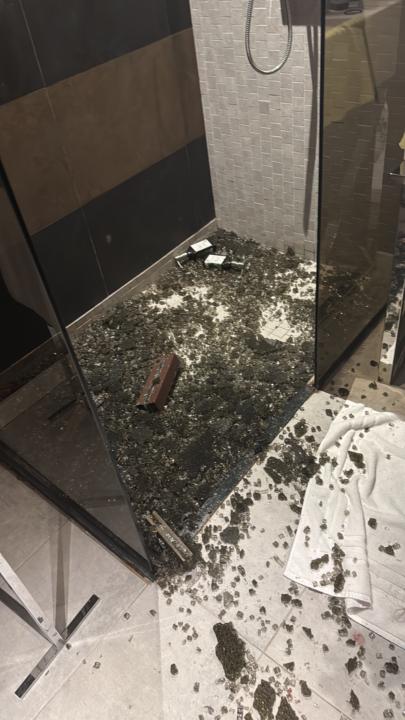
I’m reaching out because I believe that true strength isn't just about the numbers on the bar, but how we pivot when life throws a heavy punch. Recently, I was involved in an accident , a glass shower door EXPLODE.. It has been a significant setback, both physically and emotionally. 🤕 The Current Situation I currently have one hand completely out of commission—I've got several stitches and zero grip capacity for the foreseeable future. For someone dedicated to the grind, feeling "limited" is a tough pill to swallow. However, I’m not looking for a way out, I’m looking for a way through. I want to use this recovery period to sharpen my mindset and maintain my athletic base. 🛠️ Seeking Advice from the Specialists I would deeply appreciate any insights from the coaches and specialists here on two main fronts: 1. Adaptive Training: Since I cannot use my hand to grip, pull, or push, what strategies would you recommend to maintain conditioning and hypertrophy? I’m looking into: - Unilateral work (training the healthy limb). - Lower body focus (Safety Bar Squats, Zerchers, or machine-based movements). - Core stability that doesn't involve bracing with the hands. - Do you have specific tips on leveraging the "cross-education effect" to minimize atrophy in the injured arm? 2. Overcoming Trauma & Anxiety: The accident was a shock to the system. Beyond the physical healing, I’m navigating the anxiety and mental stress that follows a traumatic event. - Could you recommend any books, podcasts, or YouTube channels that focus on overcoming trauma, managing anxiety, and the psychology of injury recovery? - Are there specific mindset experts or sports psychologists you follow who specialize in "rebuilding" after a shock? "It’s not about how hard you hit, it’s about how hard you can get hit and keep moving forward." I’m here to learn from your expertise and come back stronger—not just as an athlete, but as a person. Thank you in advance for any guidance or support you can share.
3
0
Apr 14 •
New Training Template
The reactive strength continuum upper/lower sequence can be added to the condensed conjugate model on your dynamic days or combined on your full body DE training sessions. Enjoy!
0 likes • Apr 17
Thank you
Feb 10 •
Consistency and Faith
Being a massage therapist and Living with diabetes taught me that consistency and faith matters more than mood. Training became my way to stay balanced, to listen to my body, and eventually a tool to help others do the same.

Jan 19 •
DIABETES TYPE 1 and Conditioning :
Hi everyone, My name is Andrea, I’m 42 years old and I’m a Type 1 diabetic for half of my life . I love training and movement, and I’ve been following Philip Daru’s work and principles for many years now, applying them consistently to my own conditioning and physical routine. I work as a massage therapist and personal trainer, so my body is also my main working tool. Lately, however, I’ve experienced episodes of tachycardia,anxiety and lack of energy , and it made me reflect more deeply on how to structure my training in a way that supports long-term health, performance, and longevity as a diabetic. I’m here seeking guidance: what training systems, approaches, or precautions would you recommend for someone with Type 1 diabetes who wants to keep training hard, intelligently, and sustainably while preventing the more serious risks that can come with this condition? Any insight would be hugely appreciated. I believe this kind of discussion could be valuable not only for me, but for thousands if not millions of people living with the same condition. Thank you for your time and knowledge.
2 likes • Jan 19
Thank you for taking the time to reply so thoroughly. I really felt the care and honesty behind your words. What hit me the most was the reminder that these symptoms are feedback, not failure. I’m used to pushing, working with my body every day, serving others, and staying disciplined — so hearing that regulation and recovery are not weaknesses but actual performance tools was grounding for me. The part about aerobic base, nervous system load, and avoiding the gray zone really resonates. Between hands-on work, travel, and training, I can see how the total stress adds up, even when each piece on its own feels manageable. It helped me reframe what “smart” training needs to look like at this stage. I also appreciate the point about strength training as an ally — not something that drains me further, but something that can bring stability when programmed with intention. I’m taking this as a reminder to zoom out: focus on consistency, patterns, and longevity rather than chasing intensity for its own sake. Repeatable weeks over heroic days — that really stayed with me. Thank you again. This kind of guidance is valuable not just for me, but for many people living and training with Type 1 diabetes. Respect 🙏
1 like • Feb 5
@Tevita Tu'ipulotu thank you 🙏
1-7 of 7
Active 16h ago
Joined Jan 5, 2026
Powered by