
Write something
🔥
15h •
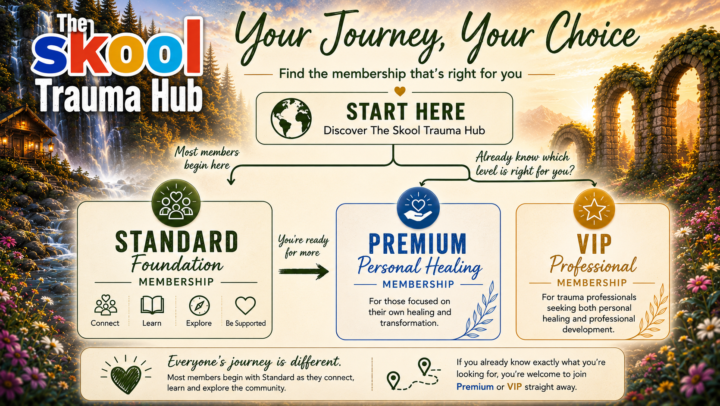
Your Journey Through The Skool Trauma Hub
I've created this Members Journey Map to help you understand the different membership options and how many members naturally progress through The Skool Trauma Hub Most people begin with the Standard Foundation Membership, taking time to settle in, connect, learn, and explore. Then, when they feel ready for more support, they choose the path that best meets their needs. Either the Premium Personal Healing Membership or the VIP Professional Membership. Of course, if you already know which membership is right for you, you're always welcome to join Premium or VIP straight away. Take a look at the map below 👀 If you're ready for the next step in your journey, I'd love to support you. I'll be with you every step of the way. With love, Chris 💚 The Skool Trauma Hub
🔥
2d •
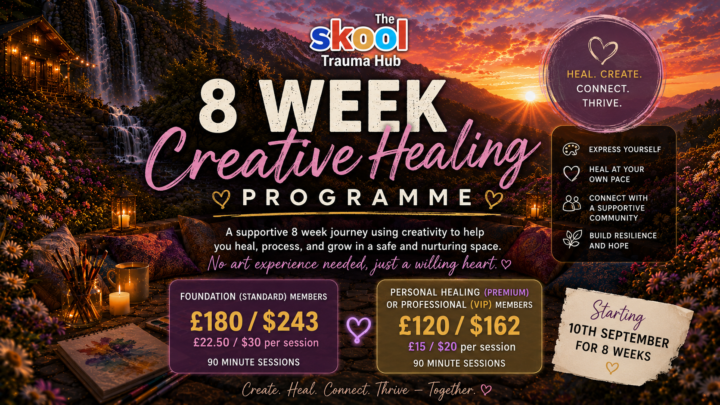
🎨 8 Week Creative Healing Programme 🌱
🌱 I'm looking for a minimum of 8 people who would like to go on a creative healing journey together in The Skool Trauma Hub This won't be about creating perfect artwork or learning how to draw. It will be about using creativity as a gentle way to: 🖌️ 𝘙𝘦𝘨𝘶𝘭𝘢𝘵𝘦 𝘺𝘰𝘶𝘳 𝘯𝘦𝘳𝘷𝘰𝘶𝘴 𝘴𝘺𝘴𝘵𝘦𝘮 🎨 𝘌𝘹𝘱𝘳𝘦𝘴𝘴 𝘦𝘮𝘰𝘵𝘪𝘰𝘯𝘴 𝘵𝘩𝘢𝘵 𝘢𝘳𝘦 𝘥𝘪𝘧𝘧𝘪𝘤𝘶𝘭𝘵 𝘵𝘰 𝘱𝘶𝘵 𝘪𝘯𝘵𝘰 𝘸𝘰𝘳𝘥𝘴 🌱 𝘗𝘳𝘰𝘤𝘦𝘴𝘴 𝘦𝘹𝘱𝘦𝘳𝘪𝘦𝘯𝘤𝘦𝘴 𝘴𝘢𝘧𝘦𝘭𝘺 𝘢𝘯𝘥 𝘢𝘵 𝘺𝘰𝘶𝘳 𝘰𝘸𝘯 𝘱𝘢𝘤𝘦 💚 𝘉𝘶𝘪𝘭𝘥 𝘴𝘦𝘭𝘧-𝘤𝘰𝘮𝘱𝘢𝘴𝘴𝘪𝘰𝘯 ✨ 𝘙𝘦𝘤𝘰𝘯𝘯𝘦𝘤𝘵 𝘸𝘪𝘵𝘩 𝘺𝘰𝘶𝘳𝘴𝘦𝘭𝘧 𝘣𝘦𝘺𝘰𝘯𝘥 𝘴𝘶𝘳𝘷𝘪𝘷𝘢𝘭 Each week we'll meet live for a 90 minute trauma-informed creative session exploring themes such as: • 𝘊𝘳𝘦𝘢𝘵𝘪𝘯𝘨 𝘴𝘢𝘧𝘦𝘵𝘺 • 𝘜𝘯𝘥𝘦𝘳𝘴𝘵𝘢𝘯𝘥𝘪𝘯𝘨 𝘺𝘰𝘶𝘳 𝘯𝘦𝘳𝘷𝘰𝘶𝘴 𝘴𝘺𝘴𝘵𝘦𝘮 • 𝘛𝘩𝘦 𝘥𝘪𝘧𝘧𝘦𝘳𝘦𝘯𝘵 𝘱𝘢𝘳𝘵𝘴 𝘰𝘧 𝘰𝘶𝘳𝘴𝘦𝘭𝘷𝘦𝘴 • 𝘓𝘪𝘴𝘵𝘦𝘯𝘪𝘯𝘨 𝘵𝘰 𝘵𝘩𝘦 𝘣𝘰𝘥𝘺 • 𝘓𝘦𝘵𝘵𝘪𝘯𝘨 𝘨𝘰 𝘰𝘧 𝘸𝘩𝘢𝘵 𝘸𝘦 𝘤𝘢𝘳𝘳𝘺 • 𝘎𝘳𝘰𝘸𝘪𝘯𝘨 𝘢𝘳𝘰𝘶𝘯𝘥 𝘵𝘳𝘢𝘶𝘮𝘢 • 𝘙𝘦𝘤𝘭𝘢𝘪𝘮𝘪𝘯𝘨 𝘪𝘥𝘦𝘯𝘵𝘪𝘵𝘺 • 𝘊𝘦𝘭𝘦𝘣𝘳𝘢𝘵𝘪𝘯𝘨 𝘺𝘰𝘶𝘳 𝘩𝘦𝘢𝘭𝘪𝘯𝘨 𝘫𝘰𝘶𝘳𝘯𝘦𝘺 No artistic ability is needed. Just curiosity and a willingness to explore. Whether you haven't picked up a paintbrush since school or you're already creative, you'll be very welcome. Every Thursday for 8 Weeks 📅 Starting: 10th September (last session 29th October) 🌍 Session Times UK (BST): 6:00 PM Thursday Ireland: 6:00 PM Thursday Central Europe (CEST): 7:00 PM Thursday Eastern Europe (EEST): 8:00 PM Thursday Eastern (EDT): 1:00 PM Thursday Central (CDT): 12:00 PM (Noon) Thursday Mountain (MDT): 11:00 AM Thursday Pacific (PDT): 10:00 AM Thursday Canada: Same as the corresponding U.S. time zones above. India (IST): 10:30 PM Thursday Australia (AEST): 3:00 AM Friday New Zealand (NZST): 5:00 AM Friday I'm so excited to go on this journey together 🌞 Feel free to ask any questions in the comments or by direct message. With love, Chris 💚 The Skool Trauma Hub
3
0
🔥
4d •
The Skool Trauma Hub
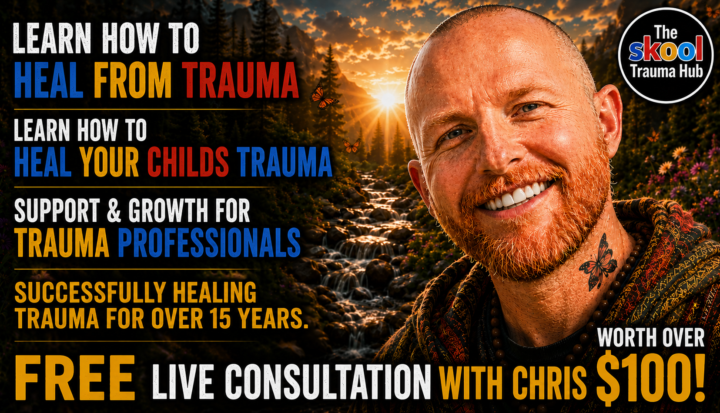
In The Skool Trauma Hub you can... Learn how to heal from trauma 💚 Learn how to heal your child's trauma 💚 Access support and growth for trauma professionals 💚 The Skool Trauma Hub Building a more trauma-informed world together 🌍
🔥
5d •
Tuesdays = Trauma Troubles In The Skool Trauma Hub ❤️
Every Tuesday in The Skool Trauma Hub is dedicated to trauma-specific themes, patterns, and struggles. We gently slow down and look at the parts of trauma that can feel confusing, heavy, or hard to name. This is not about fixing. This is about understanding. 💬 𝙃𝙤𝙬 𝙔𝙤𝙪 𝘾𝙖𝙣 𝙐𝙨𝙚 𝙏𝙝𝙞𝙨 𝙎𝙥𝙖𝙘𝙚 𝘚𝘩𝘢𝘳𝘦 𝘢 𝘴𝘵𝘳𝘶𝘨𝘨𝘭𝘦 𝘺𝘰𝘶’𝘳𝘦 𝘯𝘢𝘷𝘪𝘨𝘢𝘵𝘪𝘯𝘨 𝘈𝘴𝘬 𝘢 𝘵𝘳𝘢𝘶𝘮𝘢-𝘳𝘦𝘭𝘢𝘵𝘦𝘥 𝘲𝘶𝘦𝘴𝘵𝘪𝘰𝘯 𝘙𝘦𝘧𝘭𝘦𝘤𝘵 𝘰𝘯 𝘢 𝘱𝘢𝘵𝘵𝘦𝘳𝘯 𝘺𝘰𝘶’𝘳𝘦 𝘯𝘰𝘵𝘪𝘤𝘪𝘯𝘨 𝘈𝘯𝘥 𝘳𝘦𝘴𝘱𝘰𝘯𝘥 𝘵𝘰 𝘰𝘵𝘩𝘦𝘳𝘴. You can use words, GIFS, emojis.... what ever feels right for you. And remember our live healing circle and peer supervision sessions take place every month! With love, Chris ❤️ The Skool Trauma Hub
3
0


🔥
14d •
Acceptance
The only thing you have some real say over is your perspective. Beautiful things happen when you accept that life is the way it is right now. ~Peter Crone
1-30 of 545

skool.com/theskoolhub
ADVERTISE your community here to thousand of people! We have helped community owners gain 100+ members over night.. what are you waiting for?
Leaderboard (30-day)
1

+671
2

🔥
+534
3

🔥
+501
4

+428
5
+417
Powered by