
Pinned

Jan 18 •
🗽 START HERE: How to join our Group Calls!
We built this community for people who want to connect, debate, and strategize, not just scroll. The real action happens in our group calls, where we argue ideas in good faith and tackle the week's biggest global events. Here is how you can participate: 🔥 1. Open Calls These are our public town halls. Open to everyone. Whether you want to take the stage to challenge a point or just listen in, this is the "public square." 💎2. Premium Calls For members who want to go deeper. These calls are exclusive to our supporters and offer a space for more focused discussion and priority access. 👑 3. VIP Calls Reserved for our top-tier members. These are intimate, mastermind-style sessions where you get direct Q&A access with special guests and deep dives into high-level strategy. - 📅 Check the Schedule & Join Here: https://www.skool.com/libertypolitics/calendar - 💎👑 Become a Premium or VIP Member: https://www.skool.com/libertypolitics/plans Heads up: We believe these conversations are worth sharing! Our group calls are recorded and may be posted to our social media channels. By joining the stage, you’re helping us bring these important discussions to a larger audience. By participating in group calls and voice discussions, you consent to being recorded. You can read our community rules here: https://www.skool.com/libertypolitics/-/rules Moderation decisions and bans by mods are made with Armin's approval. 👋 New to the group? Say hello! We want to get to know you. Drop a comment below to introduce yourself. Tell us where you're from and what you like to do for fun (outside arguing politics!). Welcome to the community!
2h •
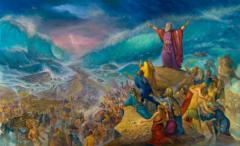
Christian to Tal Oran: You (jews) are the synagog of satan
https://youtube.com/shorts/rqxinTv_itg?si=rUZ72rTQywhSMRLH
20h •
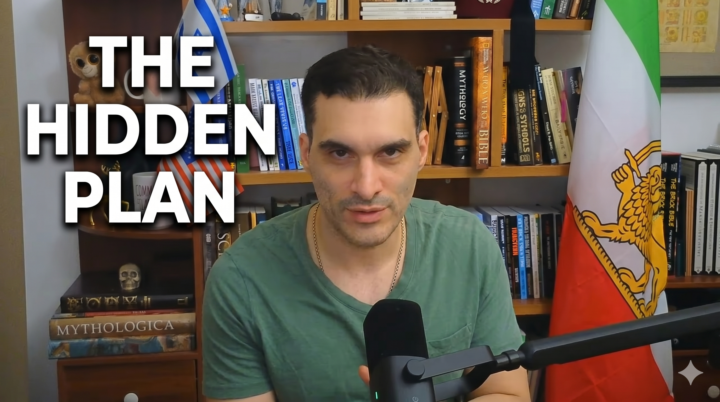
🚨 What the Islamic Republic is REALLY Hiding!
The revolution of 1979 was only the beginning. Behind the scenes, a calculated expansionist strategy is working to bring down the global status quo. This is the clash of world orders that no one is talking about. It is time to stop looking at the surface level and start understanding the revolutionary DNA that drives a mission to dominate the entire world. Come talk to me in our group calls! 📅 Check the Schedule & Join Here: https://www.skool.com/libertypolitics/calendar
38m •
The Marxist-Soviet Origins of Militant Antitheism: From Hatred of God to State Policy
This report gives a basic overview of the Marxist and Soviet origins of militant antitheism, focusing on how ordinary disbelief in God became transformed into an ideological and political campaign against religion, churches, believers, and Judeo-Christian moral foundations.The report covers: - The difference between ordinary atheism and militant antitheism - Marx’s early writings and hostility toward divine authority - How the Soviet Union turned militant antitheism into state policy - The League of the Militant Godless and organized anti-religious propaganda - Soviet education policy and the effort to replace Judeo-Christian ethics with loyalty to the Party - The Soviet campaign to portray religion as backward, dangerous, and socially poisonous - The broader Soviet anti-religious machine targeting churches, clergy, families, schools, holidays, scripture, and sacred symbols - The logic chain from Marx’s hostility toward God to Soviet anti-religious state policy - How Soviet active measures helped transmit militant antitheism into the West - The role of universities, culture, and intellectual networks in spreading anti-religious ideology - The report’s warning that militant antitheism is not private disbelief, but an ideological campaign against God, religious faith, and the moral foundations of Western civilization. The central question for discussion is: How did Marxist hostility toward divine authority become codified by the Soviet Union into propaganda, education policy, anti-religious organizations, and the attempted replacement of Judeo-Christian moral inheritance with loyalty to the revolutionary state? Jeffrey Damien Cappella President Soldiers to Statesmen Foundation "When the sons of liberty are harmed anywhere it is felt by the sons of liberty everywhere"
0
0

6d •
Jewish-American history...summary: The Jews brought the BIG GUNS
Weitzman shows how Caribbean Jews aided the American Revolution - WHYY https://share.google/Lj98MQPvxKxTeLyUm
1-30 of 2,859
skool.com/libertypolitics
Talk politics with others who care, in live calls and community posts. Share your views, ask questions, or just listen in.
Leaderboard (30-day)
1

+445
2
+283
3

+190
4
+166
5

+152
Powered by