Activity
Mon
Wed
Fri
Sun
Jun
Jul
Aug
Sep
Oct
Nov
Dec
Jan
Feb
Mar
Apr
May
What is this?
Less
More
Memberships
GET FIT TOGETHER
12.8k members • $1/month
2498 contributions to GET FIT TOGETHER

17h •
May 20 checklist
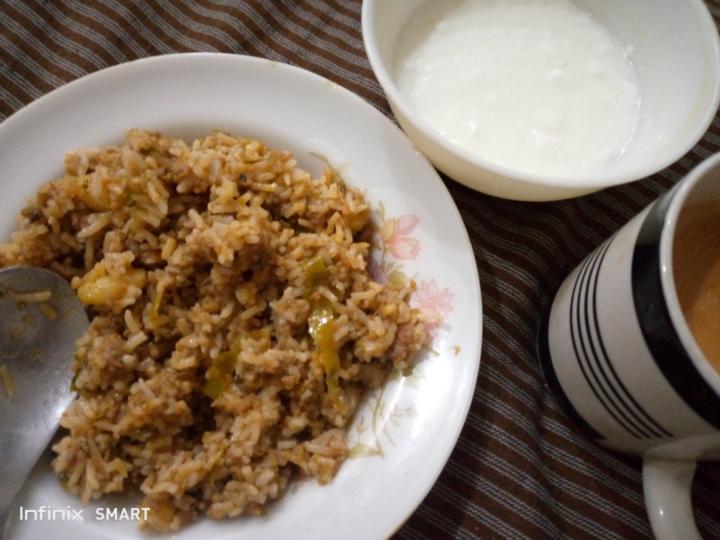
Breakfast: Rice with qeema & cup of tea without sugar. Lunch:40g roti with bhindi & 1piyali dahi. Dinner:qeema & 4 bites of chicken sawaiyn,cup of tea without sugar. Protein in every meal ✅ fiber before lunch ✅ water 2 liter ✅ no junk and no sugar ✅ outdoor walk for 1 hour ✅

3 likes • 10h
Keep going

1d •
Day 120
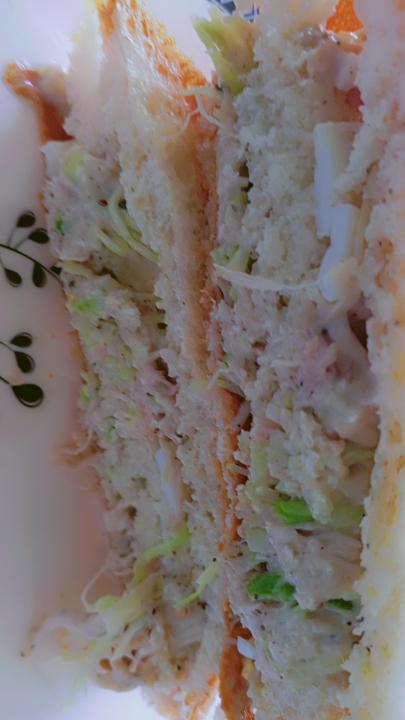
Breakfast Chicken egg sandwich Lunch One samosa 😔 Dinner Alo +2 chicken pieces steamed half roti Steps 22k Workout 28 min strength training
3 likes • 10h
Excellent 👌

18h •
⚠️ Your Habits Are Revealing Your Priorities
This might sting a little. But your habits tell the truth your goals sometimes hide. You can say: “I want to lose weight.” “I want peace.” “I want discipline.” “I want better health.” But what you repeatedly do every day? That reveals your real priorities. Because priorities are not shown by words. They’re shown by: • Where your time goes • What you spend energy on • What you keep making excuses for • What you continue despite being busy You say health matters… But: • Sleep gets sacrificed first • Water intake is ignored • Meals are random • Movement is “optional” • Stress management never happens Then naturally the body responds accordingly. Not to intentions. To patterns. ⚠️ Hard Truth Your body doesn’t care what you want. It responds to what you repeatedly do. Your future is being built in: • Your late-night habits • Your eating patterns • Your consistency • Your routines Every single day. Most People Think Priorities Look Dramatic But actually… Priorities look like: ✔ Going to sleep on time ✔ Choosing balance over bingeing ✔ Moving your body even when motivation is low ✔ Returning quickly after bad days ✔ Making time instead of waiting for time Small actions. Repeated consistently. That’s what changes lives. The Scary Part? A lot of people say they want change… But their habits are quietly choosing comfort instead. And comfort feels good temporarily. Until one day: • Energy drops • Health declines • Confidence disappears • And regret becomes heavier than discipline ever was So Ask Yourself Honestly Today: If someone observed your habits for 7 days… What would they say your priorities are? Health? Growth? Peace? Or just survival mode? Awareness is uncomfortable. But it’s also where transformation begins 🤍
3 likes • 10h
Health peace

3 likes • 10h
Waalaikum Assalam

1d •
Day 41
Hi for breakfast 2 full boil egg one with yolk one apple and seeds tea without sugar lunch red kidney beans with salad and chicken and Greek yogurt rosted chickpeas for snack for dinner 6 spoon rice with chicken tori qeema and riata one hour walk with 30 mint workout 2L water

2 likes • 10h
Superb ❤️
1-10 of 2,498

@raffay-ali-7569
رَبِّ إِنِّيْ لِمَآ أَنْزَلْتَ إِلَيَّ مِنْ خَيْرٍ فَقِيْرٌ
Active 4h ago
Joined Jan 3, 2026
Powered by