Activity
Mon
Wed
Fri
Sun
Nov
Dec
Jan
Feb
Mar
Apr
May
Jun
Jul
Aug
Sep
Oct
What is this?
Less
More
Owned by Alan
All about the craic and the endorphins. We educate athletes and coaches on moving in the endurance world
Six-Figure Sports Coach
879
5.0
$49/m
Sports Brand Builders
121
Free
EndurHaus Community
133
Free
Skoolers
152.4k
Free
139 contributions to EnduranceworX

8d •
The nights are fair drawing in
Season done and dusted. The finale should have been a big Saturday at Barca and a hectic Sunday in Fife. Sadly mother nature had other plans for Spain. Funny thing is the exact same thing happened 2 years ago. We had a group of kids heading to Valencia and all was well but the week after..unprecedented floods. Turns out not unprecedented at all. IM now have a bit of an issue with 13 races this year having had the swim or the race cancelled. Even the Outlaw was a duathlon. It will be interesting to see how the many thousands that signed up, paid big cash, trained hard only not to get what they paid for will do next. On Sunday a very different event. Low key, local and joyous. Lochore is sadly in Fife but genuinely a class venue for multisport. 7 different races all in one spot and yet it almost didnt happen. Entries were at a level that meant the race would lose money. All race organisers are finding the same issues. Spiralling costs and too few punters. Same story at Aberfeldy, Craggy Island to name a couple more. The races did go ahead and we were treated to some magical moments. Sean and I had 7 athletes in play and 6 of the 7 made podiums. Could have been 7 but for a navigational issue. Not AG podiums (which are cool) but the actual 123 at the pointy end. Its worth thinking about the race card for next year. All the eggs in one basket or maybe something more balanced?
2 likes • 7d
@Chris Bryson now there's a gem. This year's basket had some races but a side order of home brew made it full i reckon.
1 like • 5h
@Catriona Tennant huge choice. Depends on mix of distances but plenty in north. Deva, Southport,lakesman, geordieman
13d •
Want to get good at Long shit?
The bad news? It doesn't happen overnight. Its an apprenticeship. Your best long distance race is NEVER the first one. Its more likely its going to take 3, 4 years maybe even longer. The first one is a voyage into the unknown going somewhere your body and your brain has never been. The next one you learned some stuff so its likely to be stronger but it takes time to build that really deep fitness and mental fortitude it takes to race long. Sure you can complete faster but you arent pushing until you have learned about yourself. Maybe tradesmen know..an apprenticeship is 4 years for a reason.
1 like • 12d
@Chris Bryson imagine the timing what a coincidence
1 like • 10d
@Chris Bryson life gave you lemons and you got pina collodas..now thats some next level adapting the plan
15d •
Seasonality
Mostly now the 'season' is over but this weekend is busy. Glasgow half, IM Barca, Lochore off road, Keilder off road.If anyone fancies a last minute hit I can get 60% off Lochore entries. Good luck everyone..12 racing! Tri and cycling are done but now we have cross country, SXC, Hyrox giving plenty of off season focus...arguably these help us look at skills and strength. As the weather turns many turn to more mucky pursuits...so next weekend it is gravel season. Its fairly clear that those who ride gravel gain lots..a more overall workout, handling skills and more varied use of gearing and effort levels. If you haven't ridden off road, we highly recommend it.
0 likes • 14d
@Keith Veitch man without mudguards
Sep 11 •
End of season bash
Our not so world famous APR followed by coffee takes place Saturday 26th Sept. All welcome and you can bring pals as long as they are sound and dont need stabilsers
0 likes • 19d
@Duncan Martin its a Facebook page originally but details. Muster Lanark Loch, Inn on the Loch. Looks like 3 groups and some escapees. 1st group away at 11..roll to start line then go. GP 2 off at 11.20, scratch at 11.30. 83k estimate scratch at 2.11, slow group 2.35 ish
21d •
Social media fakery
I'm never 100% sure if some of the posts I see from fitness 'professionals' on line are deliberately just attempts to get attention or whether the lunatics have taken over the asylum. Some wondeful examples this last week: If you can swim sub 2mins for 100m then you are good, ignore swim training and put the time into doing lots of biking and running. Aye great a single hero sub 2 means your race time will be well north of that. Even if you could hold that pace in race conditions it makes you bang average and the fatigue carries into your bike leg. Learn to swim better. If you have 'sinky legs' get a pair of buyancy shorts. Lets not address the why lets just buy a set of crutches. Fair enough as an aid until you improve but the reliance on aids means you never master the skills to improve. You need to do 20-25 hours a week to do an Ironman. Doing hours or volume is a great way to build fitness but only if you match it with good recovery. If you have a job and a family then its rare to be able to put those types of weeks in and have a life. We have multiple race winners who never did more than 15 hours regularly. Copy what the pros do. Or worse this is how I did XYZ follow me for advice. Mate you just did a 15 hour Ironman, gies a break. If you want to do what the pros do, then pack up your job and get a pro ticket. Sure we can learn from the pros - the best thing to learn. Recovery, Sleep, Nutrition, habits not 'here is the secret sesion' that is the magic pill. Follow my secret methodology that no-one else uses. There are no secrets just good solid stuff and well snake oil. Buy this gizmo - it will revoltionise your training/recovery. Yes what we need is more data or maybe what we need is the abilty to learn how things feel. Don't do strength training, its better to do all of your work in discipline. This is appealing as it is hard to fit in but strength and mobility work supports your ability to move well and importantly to keep moving well. Anyone got anymore?
0 likes • 20d
@Sean Epton im pretty sure that one is tongue in cheek but I have seen it loads
1-10 of 139
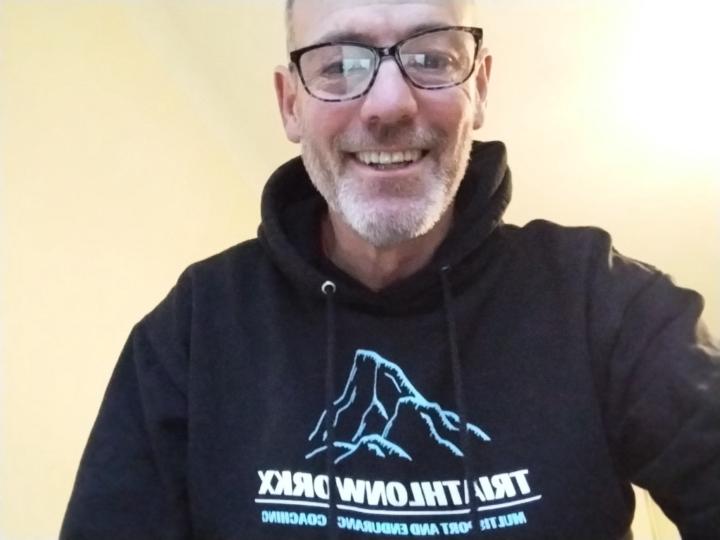
@alan-cardwell-9750
Endurance Coach with specialisms in youth development and adventure events. Head Coach Glasgow Tri juniors, XTRI World Tour and at triathlonworkx.com
Active 5h ago
Joined Oct 28, 2025
ESTJ
Scotland
Powered by