Activity
Mon
Wed
Fri
Sun
Aug
Sep
Oct
Nov
Dec
Jan
Feb
Mar
Apr
May
Jun
What is this?
Less
More
Owned by Dr. Melissa
A conscious community for authentic growth, living with purpose, meaningful connection, and embodying a life in alignment with your true self.
Memberships
Functional Human Design
312 members • Free
Evergreen Foundations
606 members • $25/month
Skoolers
167.8k members • Free
Elevate
528 members • Free
Trinity Code ⭐️
92 members • Free
Digital Profit Builder
252 members • Free
Point 8 Profit Collective
344 members • $60/year
ProSpirit
42 members • Free
Global Healing Summit
1.4k members • Free
110 contributions to Inspired Life, Empowered Being
🔥
18d •
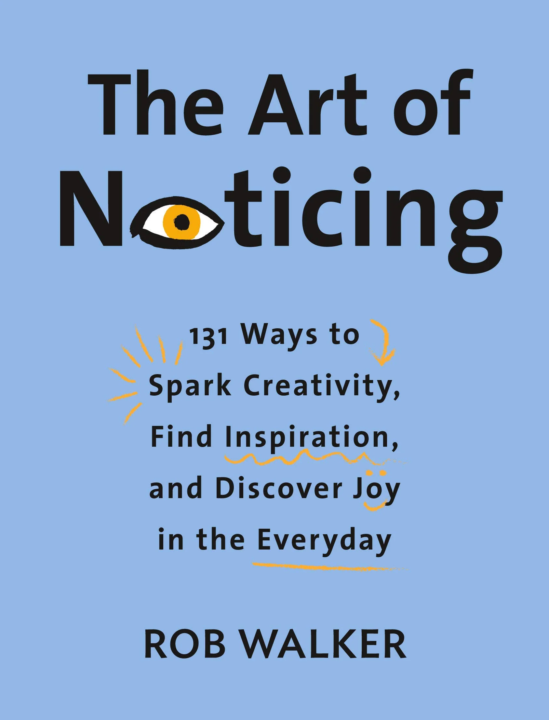
The Art of Noticing (Day 1: Conduct a Scavenger Hunt)
𝐃𝐀𝐘 1 𝐂𝐇𝐀𝐋𝐋𝐄𝐍𝐆𝐄: 𝐂𝐎𝐍𝐃𝐔𝐂𝐓 𝐀 𝐒𝐂𝐀𝐕𝐄𝐍𝐆𝐄𝐑 𝐇𝐔𝐍𝐓 Most of us move through our days on autopilot, noticing only what's familiar or immediately relevant. This scavenger hunt is designed to interrupt that pattern. By intentionally searching for specific objects, colors, shapes, textures, or experiences, you'll train your attention to pick up details that would normally go unnoticed. So...pick a goal and tell us what you've found! Super plus if you can take a picture! Some examples: - Something yellow - A heart shape - A reflection - Something older than you - Something handmade - A plant growing in an unexpected place - Observation-Focused - Evidence that a human was here - Evidence that an animal was here - Something that has changed over time - A pattern that repeats - Something you have passed by many times but never really noticed - Creative - Something that looks like a face - Something that reminds you of your childhood - Something that symbolizes hope - Something that represents resilience - Something beautiful that most people would overlook - An object that could inspire a story - Something that seems out of place - A "hidden treasure" in an ordinary setting - People & Community - An act of kindness - Evidence of creativity - Something that tells a story about your community - A sign of hard work - Something that makes you smile What were you on the lookout for today and what did you notice? Thanks to @Steve Webb and his group 30daychallengers for introducing me to the book The Art of Noticing. His community offers one live 30-day challenge every month. It provides a space where we can turn good intentions into action and each day there is a daily prompt/action related to the month's challenge. This month's challenge is 30 days of sunlight, movement, and remembering what the real world feels like. There's access to previous challenges as well and the community is great about support!

🔥
5 likes • 18d
How fun!
🔥
23d •
Our brain is not a muscle (nerding out alert)
Our brains/bodies are SOOOOOO frickin' cool!!! I woke up at my usual time this morning (4a.m.), got ready for the gym and read and journaled until about 6a.m.. This is the usual routine. Although fully caffeinated, at 6a.m. a wave of tiredness hit me and I decided to not go to the gym and take a nap before work instead and slept until 8. (this is unusual--I usually force myself to go even if I'm tired)...(side thought: In college I used to have redbull and it would be funny because within an hour of having it, I'd still be able to go to bed...good times). Anyways, this whole situation got me wondering about the why and I think that the mental load of the activities (and the CONTENT and EMOTIONAL LOAD/MANAGEMENT of what I was thinking/writing about) this morning kind of depleted me just a bit. And this made me think of the lower amount of energy investment I've been putting into things as of late. (I was writing about truth which took me down a cool path but at the end (and it's not really the end), I started digging into things more and that ended up being it's own journey that I know will be going on for a long time. But, I knocked myself out in the process. ha. So, I woke up and started looking up things about the brain because I'm often energized by learning new things and engaging in conversations (my whole job is dependent on me being alert/engaged) but this time it wiped me so I wanted to know the science behind what was happening....nerding it out ). The video talks about HOW to address/ manage energy! :) So here are some fun facts for you (that you may have already known, but they're interesting anyway). It's okay if you don't read it all....I'll be using this moving forward so I and my clients will be benefitting! :) BUT, it might be worth reading to gain an even deeper understanding of what's happening if you feel depleted! :) (Thanks to notebooklm for condensing a bunch of different articles and spitting out some cool facts about the 𝐧𝐞𝐮𝐫𝐨𝐛𝐢𝐨𝐥𝐨𝐠𝐲 𝐨𝐟 𝐰𝐢𝐥𝐥𝐩𝐨𝐰𝐞𝐫 𝐚𝐧𝐝 𝐧𝐞𝐮𝐫𝐚𝐥 𝐫𝐞𝐠𝐮𝐥𝐚𝐭𝐢𝐨𝐧)
Poll
6 members have voted
🔥
3 likes • 23d
I live for the nerd stuff, and this did not disappoint!
🔥
24d •
Peaceful moments
Nature is perhaps one of the more externally calming forces for me. The "pauses" that I take often involve nature in some way. I also have my daily 4a.m. quiet time that helps with grounding the day in gratitude and reflection but nature is usually where I feel the most present. Deep conversations with people that I connect with can also have some similar (but different)effects. These photos/video are all from this past week.. (While I'd recommend just sitting in nature and just taking it in and not thinking about documenting it as there are so many benefits to just being present in nature, this tedtalk talks about some of the cool things that have been discovered as a result of taking pictures) What are the things (internal or external) that are most peaceful for you?
🔥
8 likes • 24d
The baby geese are the cutest! I love seeing the fuzzy little guys walking around.
🔥
29d •
Pause.
Taking one for a few days. Truly thankful for each of you. If you want to drop some wisdom you've gathered in your life, would love to start a thread on that! That'd be cool but no pressure. Truly appreciate you all. 💗 See you soon.🤗
🔥
8 likes • 29d
There's so much that can come into our awareness and our gratitude with a simple pause. Enjoy yours!
🔥
May 28 •
Benefits of Anger
Not all anger is the same. And certainly not all expressions of anger are the same. There's a type of anger that reacts before it reflects which often can leave a trail of destruction--hurting people and ourselves in the process. It's usually punitive, dominating, and shaming in nature. This type of anger typically comes from ego (wounded pride, insecurity, control, or unresolved pain). There's also the type of anger that is more 'righteous' and this is the type that recognizes when something is wrong/unjust/out of alignment. This type of anger exists to protect what is true, valuable, and good. This type of anger can help create boundaries, confront abusive behaviors, defend the vulnerrable, inspire necessary change and fuel courage. It can reveal what we deeply care about (often if I'm angry at myself or someone else, there's some kind of value at play) It's often not the anger (the feeling) itself that's the issue, but rather where it's coming from, how we interact with it and how we express it. Undisciplined/reactive anger becomes destructive. Suppressed anger becomes bitterness and resentment over time and it will seep out in other ways that will still be destructive. Understood and directed anger can become clarity, conviction, protection, and growth. :) The goal is to become someone whose anger is disciplined, honest, and guided by wisdom instead of impulse. Question: When was a time when anger has served you well? What's your relationship with anger? How do you react when you see someone expressing their anger? disclaimer: This resource is so that I have access later for my own use in my own practice (there are some good practices in there). It's an anger management workbook put on by samhsa. It's a resource but perhaps best used with a professional. https://library.samhsa.gov/sites/default/files/anger_management_workbook_508_compliant.pdf
🔥
4 likes • May 28
I find that often "anger" is the surface level emotion that's presenting for something deeper, more vulnerable, like disappointment, frustration, betrayal, etc.
1-10 of 110

🔥
@melissa-partaka
Doctor of Psychology & Authentic Lifestyle Facilitator inspiring people to live aligned, purposeful, and holistic lives through The Blueprint Method💙
Active 31m ago
Joined Sep 11, 2025
INFJ
Michigan