

13d •
Qi deficiency
In Traditional Chinese Medicine (TCM), the root causes of Qi deficiency are attributed to a combination of lifestyle factors, stress, diet, and aging. Here are some of the key causes identified by TCM for Qi deficiency: 1.Chronic stress: Constant worry, anxiety, or emotional pressure consumes Qi rapidly, especially affecting the Spleen and Kidneys. 2.Overwork and burnout: Pushing through long work hours, juggling multiple responsibilities, or rarely taking true rest depletes Qi over time. 3.Irregular eating habits: Skipping meals, eating on the go, or eating late at night disrupts the Spleen’s ability to produce Qi from food. 4.Excessive worrying or overthinking: In TCM, pensiveness and worry directly weaken Spleen Qi — a pattern very common among professionals and caregivers.
0
0
13d •
Phlegm - Dampness
In Traditional Chinese Medicine (TCM), the root causes of phlegm dampness are attributed to imbalances in the body's energetic systems, particularly the Spleen and Kidney. The Spleen is responsible for transforming and transporting fluids, and when it becomes weak, it fails to manage these fluids properly, leading to dampness accumulation. This dampness can then transform into phlegm, which circulates throughout the body and affects various organs and meridians. The following factors contribute to the formation of phlegm-dampness in TCM: - Weak Digestive System: A deficiency in the spleen function is a primary cause of phlegm-dampness. - Poor Diet: High intake of greasy, fatty, sweet, or processed foods can impair digestion and contribute to dampness. - Lack of Physical Activity: Physical inactivity slows circulation and prevents the body from effectively processing fluids. - Emotional Stress: Chronic stress and unresolved emotions can disrupt the spleen and digestive functions, leading to phlegm buildup.
0
0
13d •
TCM Kidney Yin Deficiency
Kidney Yin Deficiency is a TCM condition characterized by a depletion of the cooling, moistening resources of the kidneys. This deficiency can lead to internal dryness and heat, resulting in symptoms such as night sweats, hot flashes, and a sensation of heat in the palms and soles. It is often associated with chronic stress, overwork, poor diet, excessive sexual activity, or aging. Treatment focuses on nourishing and replenishing the Yin energy of the kidneys through acupuncture, herbal medicine, dietary adjustments, lifestyle modifications, and stress reduction techniques. Foods with cooling and nourishing properties, such as black sesame seeds, goji berries, walnuts, black beans, seaweed, and leafy green vegetables, are recommended. Adequate rest, stress management, and relaxation techniques like meditation or yoga can also support treatment.
0
0

17d •
NO. 15 The Yi Yuan Ti contains all the information of life.
From the perspective of racial development, humanity is the result of a long evolutionary process of living beings. From single-celled organisms to higher animals, each step forward has condensed information from both the organism itself and the natural world, thereby enabling continuous self-improvement—evolution. By the time humans emerged, the body had already accumulated vast amounts of information from lower to higher life forms. The German philosopher Oken said: "Man is the pinnacle of natural development, and therefore must encompass all that came before within himself, just as a fruit includes within itself all the previous stages of development of the tree. In a word, man is necessarily a miniature image of the entire universe." Perhaps someone might ask: Since humans are so advanced, how can they still retain information from lower organisms? To resolve this doubt, one need only look at the individual developmental history of a human being. Each of us evolves and develops from a simple fertilized egg—a single cell—and all the cells in the human body retain the genetic inheritance of that single cell, the fertilized egg. Moreover, the endings of nerve cells extend throughout the body, maintaining close connections with it. In view of this, the vital information of all tissues and parts of the body inevitably converges into the Yi Yuan Ti.
0
0
22d •
Root causes by TCM for anginas pectoris
Root causes by tcm for angina pectoris Traditional Chinese Medicine (TCM) identifies several root causes for angina pectoris, which are often related to disharmony within the body's energy system. The main patterns include: Qi and Blood Stagnation: This occurs when there is a lack of vital energy and blood flow, which can lead to chest pain. Obstruction by Heat, Cold, or Phlegm: This can manifest as chest pain due to the obstruction of the heart by these elements. Deficiency in Qi and Yin of the Kidney and Heart: This indicates a deficiency in the vital energy and blood of the kidneys and heart, contributing to angina symptoms. TCM emphasizes the importance of diagnosing the specific patterns of disharmony causing the symptoms and tailoring the treatment accordingly. This approach aims to restore balance and improve the flow of Qi and blood, thereby alleviating the pain and underlying conditions.
1
0
1-30 of 64
skool.com/zhongdao
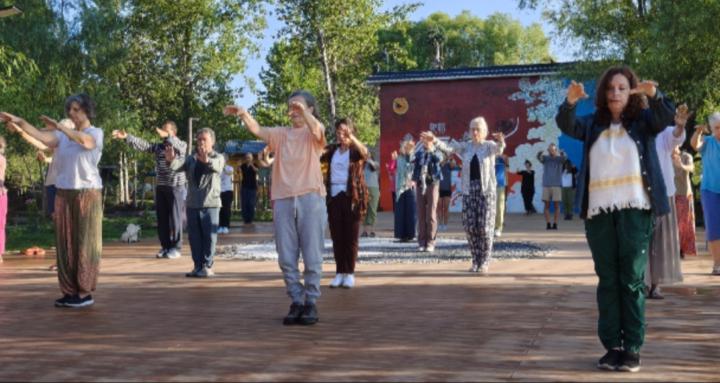
Deeply learn and experience ancient Eastern wisdom, Tai Chi, Qi Gong, and Traditional Chinese Medicine, embarking on your energy cultivation journey.
Leaderboard (30-day)
1
+5
2
+2
Powered by