

16d •
FASTING
Some Western medical schools support fasting for the following reasons: 1. Activation of autophagy During prolonged fasting (over 24 hours), the body triggers autophagy, a process in which cells degrade and recycle their damaged or unnecessary components. This improves cell health and reduces the risk of degenerative diseases. Benefits: Prevention of neurodegenerative diseases such as Alzheimer’s or Parkinson’s and improvement of cell longevity. 2. Reduction of systemic inflammation Fasting decreases the production of pro-inflammatory cytokines. This action allows the body to focus on regeneration rather than excessive inflammatory responses. Benefits: Relief of chronic pain (arthritis, inflammatory disorders) and reduction of risks related to cardiovascular and autoimmune diseases. 3. Insulin sensitization and improvement of metabolism During prolonged fasting, glycogen stores are depleted, forcing the body to use lipids as its main energy source via ketogenesis. This improves insulin sensitivity and balances blood sugar. Benefits: Prevention and management of type 2 diabetes and sustainable weight loss and improvement of lipid metabolism. 4. Stimulation of stem cells After several days of fasting (3 to 5 days), the body increases the production of stem cells, promoting tissue regeneration. Benefits: Acceleration of tissue repair (skin, intestines, etc.) and strengthening of the immune system 5. Protection against oxidative stress Fasting stimulates the production of endogenous antioxidants, such as glutathione, and increases cells' resistance to free radicals. Benefits: Protection against premature aging and reduced risk of chronic diseases related to oxidative stress. 6. Cancer prevention Fasting can induce a metabolic state unfavorable to cancer cell proliferation, by reducing glucose availability and increasing ketogenesis. Benefits: Decrease in tumor cell proliferation and potential reinforcement of the effects of oncological treatments (chemotherapy, radiotherapy).

May '25 •
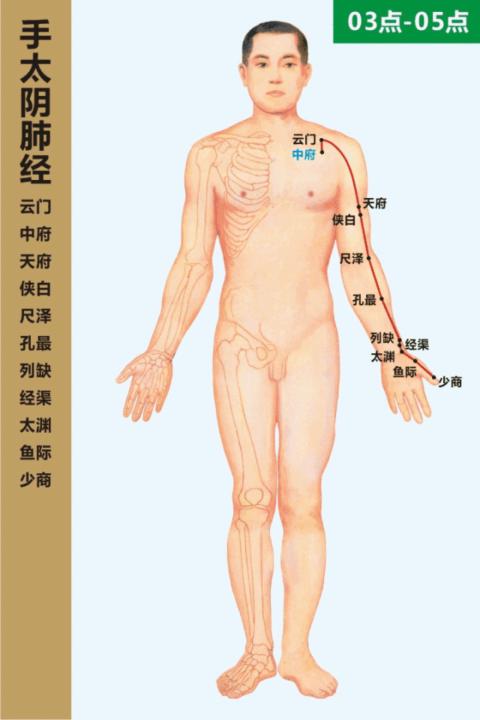
The Lung Meridian
In Traditional Chinese Medicine, Taiyin Lung Meridian of Hand is one of the Twelve Standard Meridians. It is correspond with Yangming Large Intestine Meridian of Hand. The Flow Hours of this meridians is 3:00AM - 5:00AM. Watching the GIF flowing photo, could you sense the qi inside the lung meridian?

18d •
Root causes by TCM for Cataracts
In Traditional Chinese Medicine (TCM), cataracts are viewed as a sign of deeper organ imbalances rather than just an eye issue. The root causes of cataracts in humans can be attributed to various patterns, including: - Liver Blood Deficiency: Insufficient blood nourishing the eyes can lead to cloudiness in the lens. - Kidney Essence Deficiency: The kidneys store essence, which is essential for maintaining clear vision. - Stagnant Qi: A lack of vital energy can contribute to the clouding of the lens. - Liver Fire: Excess heat from the liver can cause irritability and headaches, which may lead to cataract formation. Early treatment with herbs and acupuncture can help manage symptoms and slow the progression of cataracts. It's important to address these underlying imbalances holistically to support eye health and overall well-being.
1-3 of 3

skool.com/zhongdao
Deeply learn and experience ancient Eastern wisdom, Tai Chi, Qi Gong, and Traditional Chinese Medicine, embarking on your energy cultivation journey.
Leaderboard (30-day)
1
+111
2

+92
3

+40
4
+27
5

+23
Powered by