
Write something
26d •
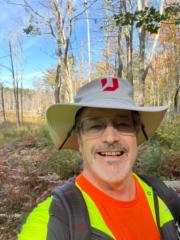
Saturdays Hike
I’m still here and still hiking. We did a couple miles in an hour. My hiking partner had plans later in the morning.
0
0
Jun 1 •
AAR: Solo Hammock Campsite
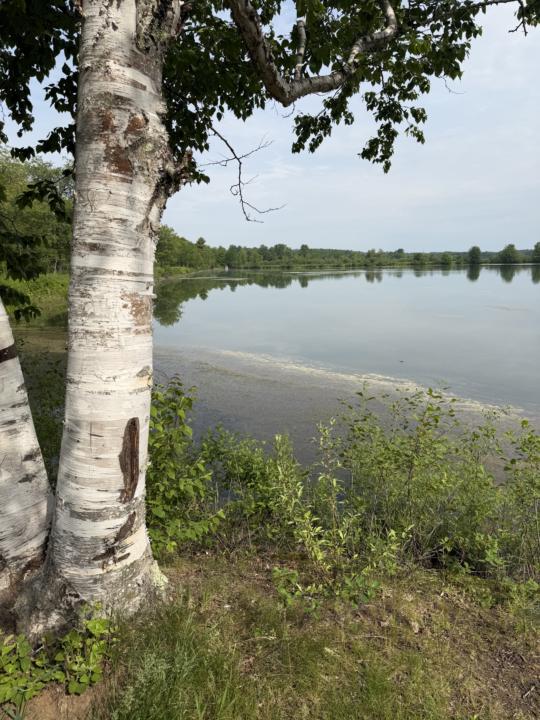
The training Primer was to set up a hammock campsite in the back yard, invite my grandson over to light the fire and talk about the campsite, and spend a solo night in the hammock. After-action-report: The campsite set and lesson went quite well and was a good refresher for G Man and his dad. G Man kindled the fire using a windproof match. Then we also lost it with talk - talk - talk, but his dad, our son, saved the situation. I boiled water and reconstituted my Mountain House for dinner. Two servings - I don’t think so. The new quilt system took some adjusting but goin to bed everything seemed in order. Yes it was forecast to be cold. Quilts worked well until it didn’t. I was up multiple times dealing with cold and got about 2.5 hours of sleep until at 1:30 am I had had it. Yes - I bailed. I am stubborn but not foolish. The underquilt was sold as a two piece system and I was unwittingly using the liner as a top quilt. The single under quilt was only rated to 40 degrees. You get what you pay for. I also did not bring a beanie and I did not change out my wool socks. Future Steps: Make sure the equipment is rated for the anticipated weather. Bring dry socks and or base layers to change into, and cover your head with a weather appropriate head gear. I did get commitment from son and grandson to camp in the backyard and continue prepping for the October Course.

May 30 •
Solo Campsite Practice
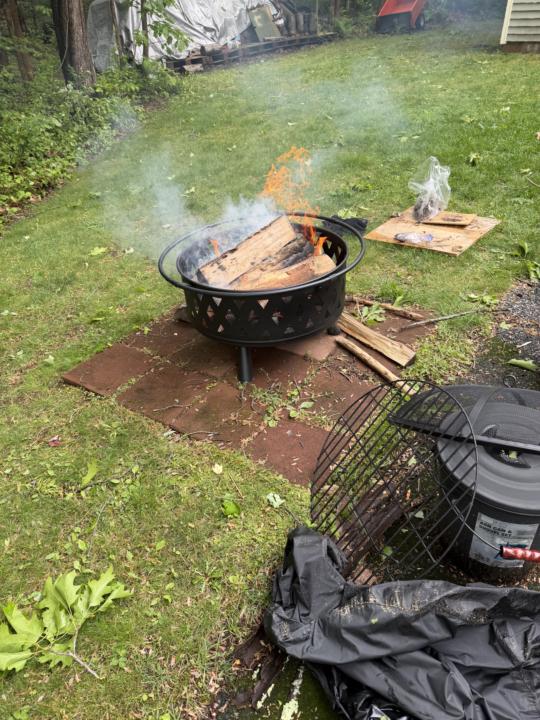
Summer is right around the corner and we need to get ready for a survival overnight at a local school. My campsite, grandson’s fire with a timely rescue by his dad. Family affair.
0
0
May 4 •
AAR: Saturday / Sunday Overnight 5/2 - 5/3 Personal Challenge
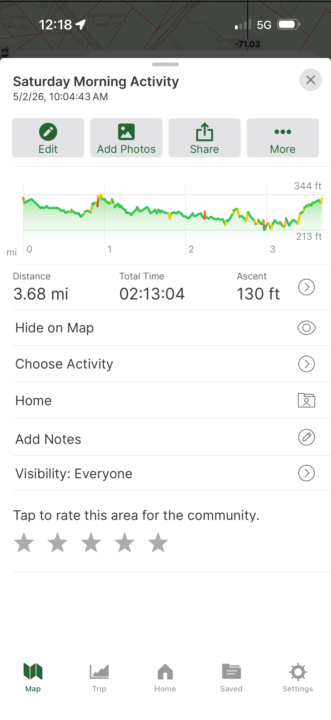
Saturday morning started as planned. I inventoried my Continental Weekender and re-packed it anticipating the over-night. I drove to the conservation area and completed the 3.6 mile hike with the pack. Approximately 25 lbs, with boots, and partially cross country. Two-hours, 13 minutes. I was not unhappy with 1.64 mph especially as I was exploring and collecting resources. I sourced birch bark and Atlantic White Cedar bark all to be dryed out in my hoody pocket and used for a fire that eventing. When I got home, domestically, things completely fell apart. My clothing was quite wet from inside and out, which would have been an issue and a fire would have been essential to dry things out before sleeping. My fire was inside instead of outside and we moved forward. My gear had to be brought in and dried out, although I was extrelely happy with how is survived a wet hike. With just a foam pad and a poncho liner, it would have been a cold night. If I stay with the gathered end hammocks, I should look into a top and bottom quilt. Looking at a couple from OneWind that are not too expensive. All my photos came out in the wrong format. Something else I need to fix.
Apr 9 •
5-Minute Boil - Crawl and Walk - NO Run
Collected birch bark and spruce kindling, prepared some birch wood chips and curls, and readied the Migizi Wanderer Stove. I had two cups of water and needed 1 and 1/2 cups for rehydrating the Mountain House meal. If you’re going to boil water, make coffee or food, one or the other. I shaved some magnesium dust from the block with the Migizi Companion and collected it on a piece of birch bark and some birch curls. I need practice with the magnesium because I had trouble keeping it under control. I sparked the pile with the included ferro rod using the Companion. It quickly caught the birch bark and curls which I used to get the stove going. I poured one cup of water into the canteen cup, SRO SS, and just as it was about to boil - I knocked it off the stove onto the plywood and delay of lunch. I replaced the water, made more chips, and boiled it again. Made and ate lunch. I set up the hammock and tarp just for exercise. Practice points: Magnesium dust control, size of the fuel for the stove, control of a canteen cup. The spilled boiling water could have been much more serious and control of the stove and canteen cup is critical. It was also a waste of materials and time. I need to get the fuel size and firing of the stove down. I tend to try to use fuel chips that are too small and starve it of air too large and beyond the capabilities of the stove. I find I have to tend it constantly - that may be the nature of the beast. Good thing today was not a timed event. I got fire with the appointed tools. I boiled water and ate lunch. Probably an hour late by my wife’s estimate. I was outside in the sun, thinking about results and using tools I carry. OK - Having fun.

1-18 of 18
powered by
skool.com/wilderness-mastery-school-3134
Wilderness Mastery School: Green Beret-led survival training. Fire, shelter, water, navigation, first aid. Weekly challenges.
Suggested communities
Powered by