
5d •
“Pitching? That’s only for the good players.”
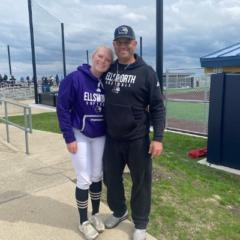
Years ago, I was helping the Spartans organization when they had 13 kids who hadn’t made any of the teams at the main tryouts. They asked if I would coach another team. I said yes. I spent two seasons with those players. Winning took time. A big part of our work was rebuilding confidence and changing what those kids believed was possible for themselves. One player still stands out. He had grown about six inches over the winter and was struggling to figure out his new body. Hands, feet, coordination—everything was catching up. He had been put in the outfield, but he was struggling there, too. As I watched him, I started looking at his frame and wondering what else he might be capable of. “Have you ever considered pitching?” His answer has stayed with me: “Oh no. That’s only for the good players.” Think about what that young man was telling me. He had already decided which category he belonged in—and which opportunities weren’t meant for him. We started working on pitching. He became our first winning pitcher. Over those two seasons, he recorded the most wins on our team. He pitched on his freshman team in high school, then spent the next three years on varsity. He eventually had an opportunity to play in college and chose a different path. Today, he owns eight Cinna-Buns, and is a successful business owner. I’m proud of his baseball journey. I’m even more proud of the person he became. I can’t claim coaching caused everything that followed, but I know we gave him an opportunity to see himself differently. That’s something we can do as coaches: believe in a player before that player knows how to believe in himself. An athlete who struggles can start carrying the belief, “Something is wrong with me. I need fixing.” Our instruction can give them a different framework: “I have value right now. I can learn. With the right instruction and an opportunity to work, I can grow.” That’s what I mean by coaching from a solution-oriented framework. We identify where the athlete is, what they want to accomplish, and the next step they can take. We teach skills without making their current struggles their identity.
1
0
17d •
⚾🥎 Coaches: Are We Practicing the Reset?
We practice swings, ground balls, and throwing mechanics. But how often do we practice what happens after a strikeout, an error, or a tough call? Brian Cain’s latest Mental Performance Mastery post tackles that question through Routines and Habits of Excellence. He explores how to build routines that help athletes prepare, stay present, respond to mistakes, and learn from each performance—including: - The difference between a useful routine and a superstition. - His Hourglass model for switching focus on and off. - A seven-step process for developing routines. - Why tracking behaviors matters alongside tracking results. My takeaway for our PACK coaches: Give the reset a place in practice. If we expect players to move on during games, we need to teach and rehearse what that looks like. One example to try: after a frustrating rep, have the athlete step away, take a breath, choose one actionable cue, and return ready for the next rep. 👉 Read Brian Cain’s full post: How to Build Routines and Habits of Excellence in Your Athletes What reset routine do you teach your players—or what moment does your team struggle most to move past? Share it below so we can learn from each other. — Coach JT
1
0
30d •
🏅 YOUTH SPORTS SHOULD DEVELOP MORE THAN ATHLETIC ABILITY!
As coaches, we have an incredible opportunity to influence young athletes during some of the most important years of their lives. Our responsibility goes beyond winning games. We're helping develop confidence, discipline, teamwork, and a lifelong appreciation for sports. 🎓 Featured Course: Youth Sports Coaching Instructor: Coach Chris 🔥 What You'll Explore: - Building positive team environments - Setting development goals - Organizing youth practices - Managing team expectations - Making sports educational and enjoyable 💡 COACHING TIP: Years from now, athletes may forget their team's record, but they'll remember how their coach made them feel. 👉 Explore the Course: https://www.udemy.com/course/coachchrissports-youth-sports-coaching/ 💬 COACHES: What's one thing you wish every youth sports coach understood? Affiliate disclosure: This is a third-party Udemy course. We may earn a commission from qualifying purchases.
1
0
Jan 22 •
Visualization isn't magic. It's mechanics.
Your brain doesn't know the difference between a vividly imagined swing and a real one. That's why elite athletes visualize before they perform. Today's Visualization Sprint challenge: Post a short video or description of ONE visualization drill you use with your team. What does your athlete see? Feel? Hear? When they close their eyes before stepping in the box, what's the movie playing in their mind? Share it. Let's learn from each other's mental training.

Jan 22 •
The Mental Edge starts with SELF-TALK.
What's the one phrase your team says to build confidence? The one that hits different when the pressure's on? Today, we're kicking off our 7-Day Self-Talk Challenge. Share your team's favorite confidence-boosting phrase in the comments below. Let's see what the Pack is saying to themselves when it matters most. Mine? "I got this." Simple. Powerful. True. Drop yours. Let's build a library of mental strength together.

1-17 of 17
skool.com/trainwithpack
Free baseball & softball coaching community. Build better practices, player confidence, and stronger teams. Premium: $49/month or $295/year.
Leaderboard (30-day)
1

+18
2

+5
3

+2
4

+2
5

+1
Powered by