
Write something

3d •
💧 Water System Sanitation: Biofilm Prevention & Cleaning Schedules
Clean water looks clear, right? Not necessarily! Invisible biofilm could be making your flock sick. Let’s understand this hidden threat. What IS Biofilm? A slimy layer of bacteria, algae, and organic matter that forms inside waterers, lines, and nipples. You may not see it—but it’s there! Why Biofilm Is Dangerous: HARBORS PATHOGENS: 🦠E. coli 🦠Salmonella 🦠Pseudomonas 🦠Other harmful bacteria REDUCES WATER QUALITY: 🐔Bad taste (chickens drink less!) 🐔Blocks nipple waterers 🐔Reduces medication/supplement effectiveness HEALTH IMPACTS: 🐓Digestive issues 🐓Reduced immunity 🐓Poor growth and production 🐓Disease transmission Where Biofilm Forms: 💦Inside hoses and water lines 💦Waterer basins and fonts 💦Nipple drinker mechanisms 💦Any surface constantly wet Cleaning Schedule: DAILY: ✓ Empty and refill open waterers ✓ Rinse visible debris ✓ Check nipple function WEEKLY: ✓ Scrub waterers with brush ✓ Flush water lines ✓ Clean nipple mechanisms MONTHLY/Quarterly: ✓ Deep sanitize entire system ✓ Disassemble and scrub components ✓ Replace worn parts Effective Sanitizing Methods: VINEGAR (Natural Option): 🧼1 part white vinegar to 4 parts water 🧼Soak 15-30 minutes 🧼Scrub, rinse thoroughly 🧼Safe, natural, effective for light buildup HYDROGEN PEROXIDE: 🧼1 tablespoon per gallon water 🧼Breaks down biofilm effectively 🧼Rinse thoroughly after DILUTE BLEACH: 💦1 tablespoon per gallon water 💦Soak 10-15 minutes 💦Rinse EXTREMELY well! 💦Air dry before refilling OXYGEN-BASED CLEANERS: 🧼Commercial poultry water sanitizers 🧼Follow label directions Prevention Tips: ✓ Keep waterers out of direct sunlight (algae growth!) ✓ Elevate waterers (reduces debris contamination) ✓ Use white/opaque containers (inhibits algae) ✓ Change water daily in warm weather ✓ Consider nipple systems (less contamination) ✓ Prevent backflow from birds’ mouths Warning Signs of Dirty Water: 🦠Green algae visible 🦠Slimy feel inside container 🦠Foul odor 🦠Birds reluctant to drink 🦠Clogged nipples Your turn:
6d •
🥚 Egg Eating Behavior: Causes & Evidence-Based Prevention
Discovered a hen eating eggs? This frustrating habit can spread through your flock quickly! Let’s understand why it happens and how to stop it. Why Egg Eating Starts: ACCIDENTAL DISCOVERY: 🥚Broken egg gets tasted 🥚Hen learns eggs = tasty treat 🥚Behavior reinforces quickly! NUTRITIONAL DEFICIENCIES: 🥚Calcium deficiency 🥚Protein deficiency 🥚Overall poor nutrition MANAGEMENT ISSUES: ☀️Insufficient nest boxes ☀️Too much light in nests ☀️Thin-shelled eggs (break easily) ☀️Infrequent egg collection ☀️Boredom STRESS FACTORS: 🐔Overcrowding 🐔Lack of enrichment 🐔Competition for resources Prevention Strategies: NUTRITION: ✓ Complete layer feed (16-18% protein) ✓ Free-choice oyster shell for calcium ✓ Strong shells = fewer accidental breaks NEST BOX MANAGEMENT: ✓ Adequate bedding (cushions eggs) ✓ Darkened boxes (hens can’t see eggs well) ✓ Collect eggs frequently (2-3x daily minimum!) ✓ 1 box per 4-5 hens ENVIRONMENTAL: ✓ Reduce boredom with enrichment ✓ Adequate space per bird ✓ Provide things to peck (cabbage, treats) Breaking the Habit: IDENTIFY THE CULPRIT: 🐔Watch for yolk-stained beaks/feathers 🐔Observe flock around laying time INTERVENTIONS: 🥚Roll-away nest boxes (eggs roll out of reach) 🥚Ceramic/wooden fake eggs (frustrates pecking) 🥚Increase protein temporarily 🥚Fill blown eggs with mustard (unpleasant taste—works sometimes) 🥚Remove culprit temporarily LAST RESORT: Persistent egg eaters may need permanent separation. Behavior is extremely difficult to break once established, and it spreads to other hens! Key take-away: Prevention is far more effective than cure! Once established, egg eating has low success rate for correction. Your turn: ❓Ever dealt with an egg eater? What finally worked to stop it? ❓How often do you collect eggs daily? Is it enough? 🥚
4d •
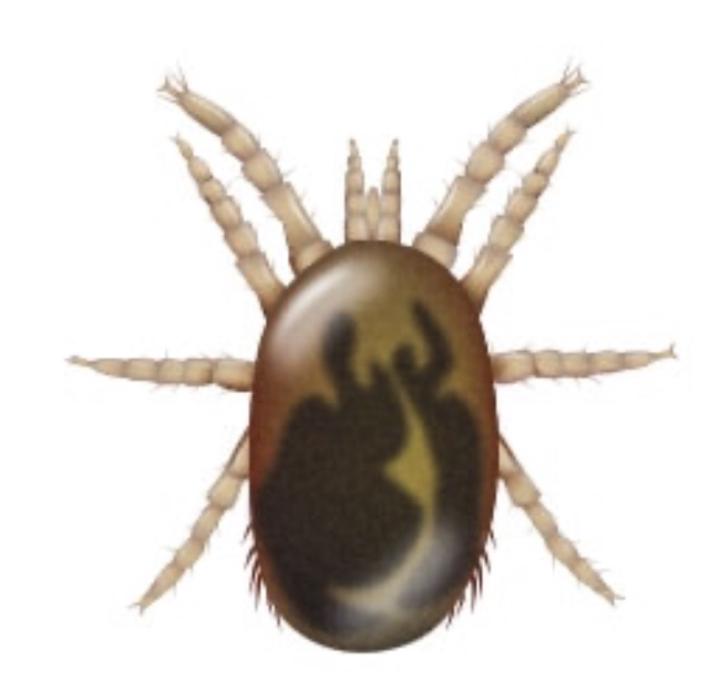
Northern Fowl Mite: Life Cycle & Treatment Protocols
The most common external parasite in backyard flocks! Understanding the life cycle is key to effective treatment. What IS Northern Fowl Mite? A blood-feeding parasite (Ornithonyssus sylviarum) that spends its ENTIRE life on the bird—making it different from red mites that hide in coop cracks. Life Cycle (Fast!): EGG → ADULT: Only 5-7 days! 🪶Eggs laid at feather base (especially vent area) 🪶Larvae hatch in 1-2 days 🪶Two nymph stages (both feed on blood) 🪶Adults emerge, immediately reproduce 🪶Population explodes rapidly on bird! ONE HEN can harbor 20,000+ mites! Where to Look: 🪽Vent/tail feathers (primary location!) 🪽Under wings 🪽Breast feathers 🪽Dirty, scabby appearance around vent 🪽“Salt and pepper” look (mites + eggs + debris) Signs of Infestation: ON BIRD: 🐔Darkened, scabby skin around vent 🐔Feather damage 🐔Restlessness, excessive preening 🐔Pale comb (anemia from blood loss!) 🐔Weight loss 🐔Decreased egg production SEVERE CASES: 🐥Visible mites crawling on feathers 🐥Death from anemia (young/weak birds) Treatment Options: CONVENTIONAL: 💊Permethrin-based poultry dust/spray 💊Most research-supported option 💊Follow label directions NATURAL OPTIONS: 🕷️Wood ash dust bath: Suffocates mites; add to dust bathing area 🕷️Diatomaceous earth (food-grade): Apply to vent area; desiccates mites (use carefully—dusty!) 🕷️Sulfur dust: Traditional treatment; effective but handle carefully 🕷️Neem oil spray: Diluted; some research supports effectiveness 🕷️Garlic juice spray: Limited evidence but some have reported success Important: Natural treatments may require more frequent application and work best for MILD infestations. Severe cases often need stronger intervention. Treatment Protocol: ✓ Treat ALL birds (even without visible mites) ✓ Repeat in 7-10 days (critical—breaks life cycle!) ✓ Focus on vent area, under wings ✓ Support recovery with increased protein Prevention: ✓ Quarantine new birds ✓ Regular vent inspections ✓ Maintain robust dust bathing areas
1
0
15d •
Picked up 12 Black Copper Marans a few days ago... 10 Healthy Chicks Today.
Is that a decent survival rate? The whole "Hatch/Ship/Store/Home/New-Brooder" process is ROUGH!
9d •
🚜 Chicken Tractors: Design Principles & Pasture Benefits
Mobile coops that fertilize your land while feeding your flock? Chicken tractors can offer the best of both worlds! Let’s explore the science and design. What IS a Chicken Tractor? A bottomless, moveable enclosure that allows controlled grazing while protecting birds. Moved regularly to fresh pasture. Pasture Benefits: FOR YOUR LAND: 🌱Natural fertilization (evenly distributed!) 🌱Pest and weed control 🌱Breaks parasite cycles through rotation 🌱Reduces need for mowing 🌱Improves soil health over time FOR YOUR FLOCK: 🐔Fresh forage daily 🐔Insect access (protein!) 🐔Reduced parasite load 🐔Natural behaviors expressed 🐔Cleaner environment Research shows: Pastured birds on rotation have lower parasite burdens than stationary flocks! Design Principles: SIZE GUIDELINES: 🐓Minimum 2-4 sq ft per bird (more for permanent housing) 🐓Small enough to move easily 🐓Large enough for flock comfort STRUCTURAL ELEMENTS: FRAME: 🪵Lightweight but sturdy 🪵PVC, EMT conduit, or light lumber 🪵Triangular/A-frame designs resist wind FLOORING: 🌱Bottomless for ground access 🌱Optional wire floor for predator protection MOBILITY: ⚙️Wheels on one end ⚙️Handles for lifting/pulling ⚙️Single person should be able to move it! PROTECTION: 🐓Hardware cloth (not chicken wire!) 🐓Covered top section for weather/shade 🐓Enclosed roosting area ESSENTIALS: 🐔Nest boxes accessible from outside 🐔Attached feeders/waterers 🐔Adequate ventilation Movement Schedule: FREQUENCY: 🗓️Daily moves ideal 🗓️Every 2-3 days minimum 🗓️Prevents pasture damage and manure buildup ROTATION TIMING: 🌱Move BEFORE ground becomes bare 🌱Return to same spot after 30+ days (breaks parasite cycle) Common Mistakes: ❌ Too heavy to move regularly ❌ Insufficient predator protection ❌ Inadequate shade/shelter ❌ Moving too infrequently ❌ Overcrowding Your turn: ❓Do you use a chicken tractor? What design works best for you? 🚜 ❓What’s your biggest challenge with mobile housing? Weight? Predators?
1-30 of 72
skool.com/thehealthycoopcollective
Vet-led community for backyard poultry keepers. Dr. Nisana, DVM, provides expert guidance on flock health, disease prevention, nutrition, & wellness.
Leaderboard (30-day)
1
+22
2
+9
3

+8
4

+6
5

+4
Powered by