
Pinned

⭐
Jan 18 •
🗽 START HERE: How to join our Group Calls!
We built this community for people who want to talk, not just scroll. The real action happens in our group calls, where we argue ideas in good faith and tackle the week's biggest global events. Here is how you can participate: 🔥 1. Open Calls These are our public town halls. Open to everyone. Whether you want to take the stage to challenge a point or just listen in, this is the "public square." 💎2. Premium Calls For members who want to go deeper. These calls are exclusive to our supporters and offer a space for more focused discussion and priority access. - 📅 Check the Schedule & Join Here: https://www.skool.com/libertypolitics/calendar - 💎 Become a Premium Member: https://www.skool.com/libertypolitics/plans Heads up: We believe these conversations are worth sharing! Our group calls are recorded and may be posted to our social media channels. By joining the stage, you’re helping us bring these important discussions to a larger audience. By participating in group calls and voice discussions, you consent to being recorded. 👋 New to the group? Say hello! We want to get to know you. Drop a comment below to introduce yourself. Tell us where you're from and what you like to do for fun (outside of arguing politics!). Welcome to the community!

1d •
Kindness and unity
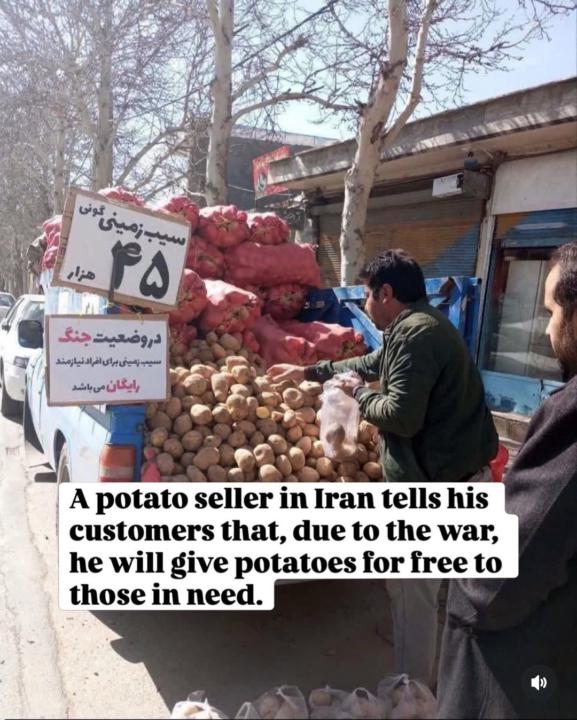
Our people are kind. Our people are caring. Even in the most terrible times when you'd expect each individual to fend for themselves and hoard supplies, our people still try to help each other even in hardships and poverty under the sounds of missiles and shockwaves. Our people deserve a prosperous life.

12h •
Hegseth on shitlist?
Ok so I am a big fan of getting my news directly from the horses mouth whenever possible and so on of my favorite things is to try and catch Trumps AF1 news conferences. I love the fact he holds the press hostage on his plane lol…… he fucking cracks me up. Anyhow I digress (shocking I know) so after Kristi Noems reassignment following her sad choices on her commercials theme or lack thereof and cost (tragic really). Her choice of wording in an answer to Senator John Kennedy’s question. I couldn’t help but catch a verbal misstep that ole Pete had in answering a question of weather he agreed with Donald’s answer to a reporter’s question about us bombing that school in Iran. Trump basically said no that wasn’t us it was the regimes shitty weapons that killed those kids of course I’m paraphrasing. Also I thought only one girl died not over a hundred kids? WTF MSM do better jeez!!! Anyway when’s asked if he agreed with the president’s assessment/answer little Peter said something like “We are investigating it” UMMMM no PeterPeterPumpkinEater!?!? The answer was a strong and resolute. “Absolutely I agree with what the president just said. What a dumbass! Anyhow I will be looking for his reassignment forthwith. LOL perhaps he will be shown leniency because we don’t want too much fodder for the MSM to misrepresent per usual. Just late night musings…… I keep getting ads to sign up for Torah bedtime stories do you think my algorithms are right? LOL toodles 💕

6h •
The Iranian Schindler 🦁🟩⬜🟥
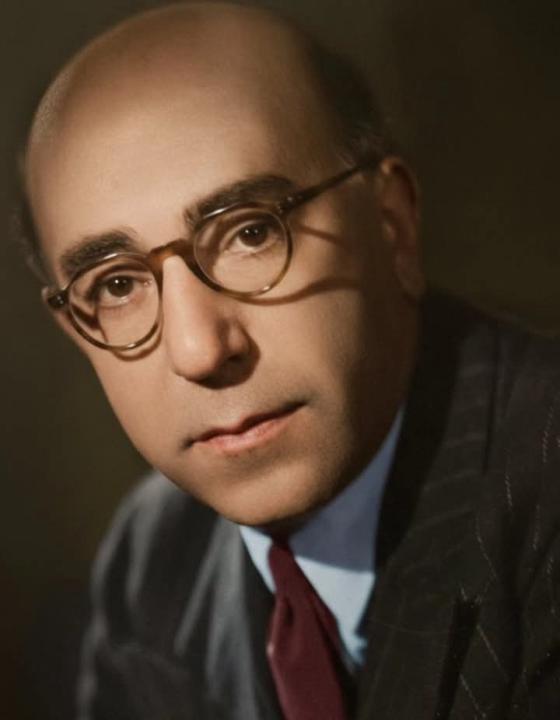
An Iranian diplomat saved MORE Jews than Oskar Schindler — and almost nobody knows of his name. The Iran-Israel Alliance known as "the Judeo-Zoroastrian Special Comradry" which is a historical friendship bond extending well into the 20th Century, when the Iranian diplomat Abdol Hossein Sardari often called the “Iranian Schindler” saved thousands of Jewish lives from the Nazis in Europe by issuing them Iranian passports under the Pahlavi Dynasty to come and live in Iran. Make Iran Great Again 🦁 🟩⬜🟥 Long Live The Shāh Pahlavi 🕊️✌️💜 Iran-Israel Alliance Judeo-Zoroastrian Special Comradry Jewish Nation of ISRAEL Aryan Nation of IRAN
3h •
Dictator Trump!
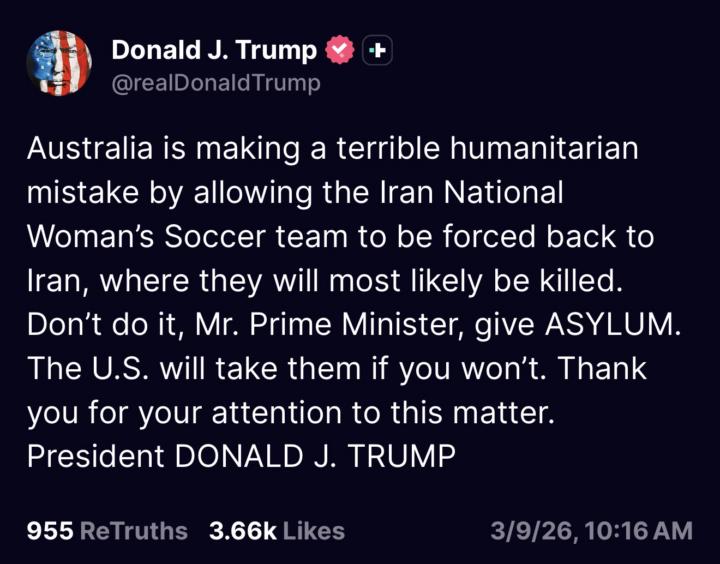
There goes our dictator again trying to save innocent lives!!! The audacity 🧐🤣👍💕🇺🇸☀️🦁 Which Olympics was it that the Israeli athletes were killed? Ah yes Munchen 1972 and who did that again? Oh yes that’s right the Balestinians!!!! Weird but hey Free Balestine right????
1-30 of 2,337

skool.com/libertypolitics
Talk politics with others who care, in live calls and community posts. Share your views, ask questions, or just listen in.
Leaderboard (30-day)
1
+436
2
+388
3
+325
4

+252
5

+229
Powered by