
Pinned

⭐
Jan 18 •
🗽 START HERE: How to join our Group Calls!
We built this community for people who want to connect, debate, and strategize, not just scroll. The real action happens in our group calls, where we argue ideas in good faith and tackle the week's biggest global events. Here is how you can participate: 🔥 1. Open Calls These are our public town halls. Open to everyone. Whether you want to take the stage to challenge a point or just listen in, this is the "public square." 💎2. Premium Calls For members who want to go deeper. These calls are exclusive to our supporters and offer a space for more focused discussion and priority access. 👑 3. VIP Calls Reserved for our top-tier members. These are intimate, mastermind-style sessions where you get direct Q&A access with special guests and deep dives into high-level strategy. - 📅 Check the Schedule & Join Here: https://www.skool.com/libertypolitics/calendar - 💎👑 Become a Premium or VIP Member: https://www.skool.com/libertypolitics/plans Heads up: We believe these conversations are worth sharing! Our group calls are recorded and may be posted to our social media channels. By joining the stage, you’re helping us bring these important discussions to a larger audience. By participating in group calls and voice discussions, you consent to being recorded. You can read our community rules here: https://www.skool.com/libertypolitics/-/rules Moderation decisions and bans by mods are made with Armin's approval. 👋 New to the group? Say hello! We want to get to know you. Drop a comment below to introduce yourself. Tell us where you're from and what you like to do for fun (outside arguing politics!). Welcome to the community!
3h •
Is Internet coming back?
There are some reports now that internet usage from Iranian domains is rising. Have any of the Iranians in this group received any messages or images from friends/relatives/contacts on the inside? Does anyone have any clue if this is starlink subverting the regime's net-block or is it the regime restoring some activity in trying to access funds outside the country to pay the suppression apparatus?

1d •
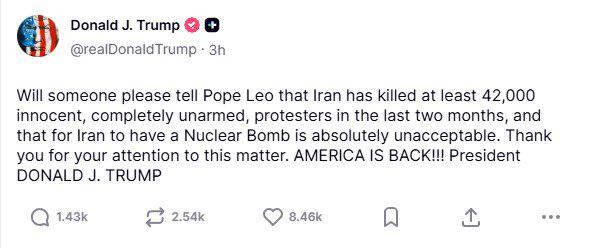
Mr President Trump's message to Pope
میشه لطفا یه نفر به پاپ لئو بگه که جمهوری اسلامی در دو ماه گذشته حداقل ۴۲۰۰۰ معترض بیگناه و کاملا غیرمسلح رو کشته، و اینکه رژیم بمب هستهای داشته باشه مطلقا غیرقابل قبوله؟ از توجه شما به این موضوع متشکرم. آمریکا برگشته است. I just love his crystal clear language specially for those who needs direct talk. What about you?


2h •
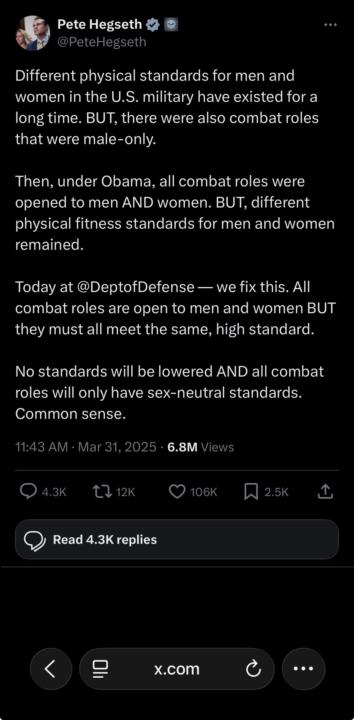
Military physical standards
Should combat roles in the military use objective, job specific physical standards for everyone regardless of gender?"
1-30 of 2,682
skool.com/libertypolitics
Talk politics with others who care, in live calls and community posts. Share your views, ask questions, or just listen in.
Leaderboard (30-day)
1

+652
2

+329
3

+326
4
+275
5

+265
Powered by