
Write something

4d •
Keep moving
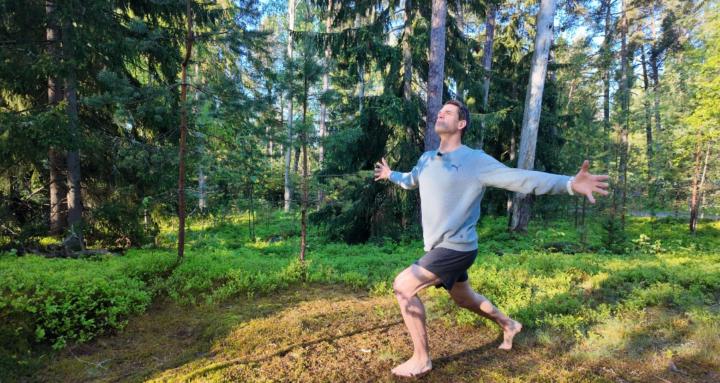
Who else is using the sessions to keep moving everyday? Today I moved with Monday's session, and yesterday with Tuesday's. I will continue with this coundown trend until Drew comes back from his digital break. I will be here tomorrow doing Sunday's session. Keep moving. Have a great day, everyone.
4d •
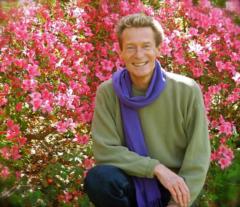
Some Words on Drew & Fasting.
Many spiritual traditions have practiced periods of fasting— not as punishment, but as an invitation to become more awake. Although Thich Nhat Hanh — one of Drew's first teachers— didn't spend much time teaching about liquid fasts specifically, he often reminded us that mindfulness begins with noticing what we consume. And that doesn't only mean food. We also consume conversations, news, social media, worries, entertainment, and even our own thoughts. Sometimes, gently eating less— or choosing a simple liquid fast under appropriate circumstances— can become another way of practicing awareness rather than another item on a self-improvement checklist. Thich Nhat Hanh wrote that we should nourish ourselves with what brings peace instead of what merely fills us. In that spirit, a fast isn't about deprivation. It's about creating enough quiet to hear ourselves again. Perhaps that's why many people who fast describe something unexpected. After the hunger settles, the mind often becomes a little less noisy. The world seems to slow down. A sip of broth or tea becomes something to appreciate rather than something to rush through. Gratitude quietly returns. This week, Drew has chosen both a break from electronics and solid food. I find those two practices beautifully connected. One rests the body. The other rests the mind. Whether we ever choose to fast or not, all of us can practice what Thich Nhat Hanh taught so well: taking one mindful breath before reaching for the next distraction. Sometimes the greatest nourishment isn't adding something new. It's simply creating enough space to appreciate what is already here.
6d •
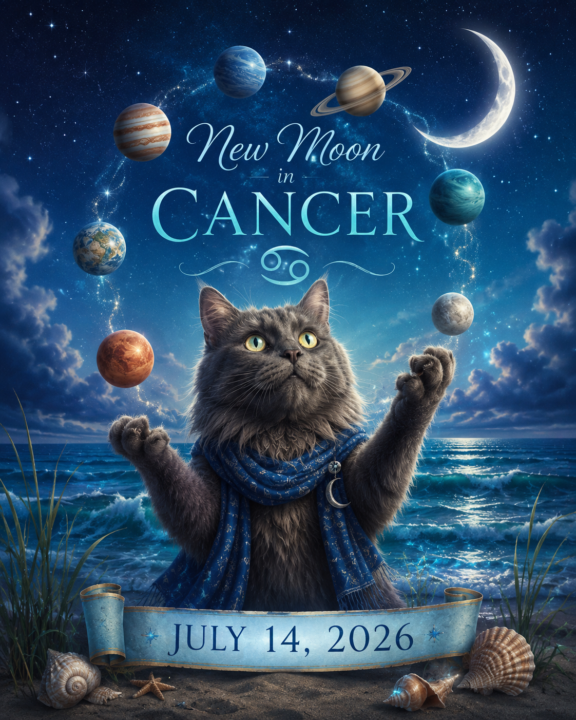
Playing with July 14th's New Moon
Tuesday, July 14, begins with a New Moon in Cancer— one of 2026's sweetest invitations to come home to yourself. The zodiac sign Cancer isn't concerned with climbing higher, or collecting more and more. It asks quieter questions: Am I safe? What truly nourishes me? Who and where are my people? What kind of life feels most like home?. It asks you to chill. Instead of rushing out to stir the pot, or launch your next grand adventure, spend time listening to your own heart first. Water the garden. Call your mother, or the person who has always felt like family. Pet the cat. Take a nap without apologizing for it. Spiritually, this New Moon reminds us that every sturdy oak began as something hidden beneath the soil. We don't dig up seeds every five minutes to see whether they're growing. Caring for the soul is productive, even when nothing on the outside appears to be happening. — Trust the process. Maybe your next beginning doesn't need fanfare. Maybe it simply needs sincerity. Don't worry if tomorrow feels quieter than expected. You may not have all the answers yet. That's perfectly fine. Sometimes the universe whispers, "Today isn't for deciding your entire future. Today is for remembering what your heart has been trying to tell you." A Cancer New Moon is the cosmos handing you a warm blanket, a cup of tea, and permission to stop trying to hold the whole world together for a little while. Even superheroes deserve a day off. May your week of July 14th's New Moon be peaceful, restorative, and filled with exactly what your heart needs.
11d •
Preparing for a Digital Fast
I recently watched an interview with a 97-year-old philosopher, filmed just months before he passed. At the 15-minute mark, he talks about seeing trees blowing in the wind as a transcendent moment — and admits he didn't always see it that way. That stuck with me. I want to see even the smallest things as transcendent, always. And I don't think I'm finding that by continuing to look things up, scroll, and stay tethered to a screen. I have an addiction to technology — no doubt about it. So I'm preparing to break free: one full week with no technology, no filming. Starting next week. I'll share a few thoughts over the next few days as I get ready. Maybe there's something in your own life you're ready to unplug from too.
1-30 of 157
powered by
skool.com/intentional-living-community-3317
Mindset. Movement. Nature.
Daily outdoor sessions and simple practices to help you build energy, consistency, and resilience—one day at a time.
Suggested communities
Powered by