
Write something
Pinned

⭐
40m •
which of these do you most relate to?
Right now I'm in the process of building a core program, and also I'm looking at my overarching message to the world I'm wondering if you could help me dial it in!? Answering this question will help me Feel free to put any information in the comments!
Poll
30 members have voted
Pinned
⭐
Jan '24 •
Welcome into High Vibe Tribe!
we are the High Vibe Tribe dedicated to elevating our vibration and expanding our consciousness. We stand for healing and going into our inner work to transform from the inside out. We live by the values of courage, vulnerability, and presence and this community is focused on helping us all to grow into our most authentic selves. Freedom is the intention and as we meditate, heal and step into our power... we let go of the old and wire in a new way of being. We understand that our outer reality is a refection of our inner reality and rather than blame the outside or try to fix it, we look at ourselves and let go of parts of ourselves attached to the beliefs, patterns and past "familiar" energies keeping us locked in the past. When you go through a spiritual awakening many feel like the lone wolves in their family. This community is a way to connect with other people like you… dedicated to healing the past, spiritual growth, and creating their dream life. This is not about surface level change or thinking better thoughts… it’s about doing the inner work, looking at subconscious parts most people avoid (the shadow) and creating inside out transformation. There are some Rules for this community to keep it a safe space… 1. Absolutely no selling or promoting other groups/events. This includes directing messaging other members. Members who break this rule will be banned from the group. 2. Posts should either add value and be well thought out. Lets create a high vibe, supportive community section 3. No posting “who else lives in New York?” Etc these will be deleted as if everyone posted them the group will be flooded with it. if you want to learn how to see who lives in your city I share in the video below 4. Be supportive and accepting of other people. Like posts, support other people and encourage them.

3d •
The Lazy Person’s Ultimate Guide to Weight Loss
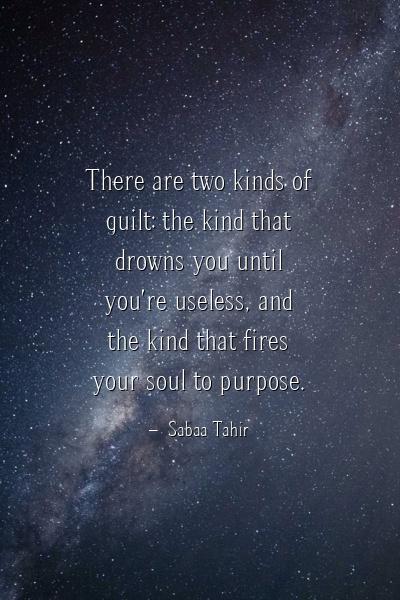
1.) Spend time daily in deep relaxation, at least an hour throughout the day...more if possible. This is a powerful way to balance and decrease the stress hormone cortisol. The more cortisol you have running through your body, the more your body will gain and hold onto weight like there's no tomorrow. 2.) Take longer pauses between your meals. You can do this by eliminating snacking throughout the day, or extending the time between dinner and breakfast. Doesn't have to be the same pause every day, it's actually great to vary it up, but more time pausing between meals will help you lose weight. Some people call this intermittent fasting. Don't matter what you call it. It works by decreasing insulin and countering insulin resistance. Insulin resistance can make weight loss almost impossible. Similar to cortisol...the more insulin you have running through your body, the more your body will gain weight and refuse to let it go. 3.) Start a Food and Mood Journal. Write down everything you eat, and how you felt while eating and afterwards. No judgment, just data. You can use dirty napkins to write it down, or a fancy journal. Don't matter, just write it. No need to analyze, or think about it after you write it. Simple, straightforward, just write it down. Anything we bring awareness to, we naturally and automatically start to change for the better. As long as we don't judge it and bring shame to this process. 4.) Eat more vegetables and low sugar fruits. If you are looking to let go of weight, strive for at least 50 percent of each meal being veg/fruit. The nutrients from these foods prevent cravings that come from malnourishment. The fiber helps you get full faster and keeps your digestion humming along nicely. These are some of the basic steps I took to let go of over 70 pounds in just a few months. I had an aunt that also let go of a lot of weight during the same time. She worked REALLY hard...exercising daily, for an hour or more, eating special foods. I respect her immensely. I felt guilty sometimes that I was doing less and having similar results.



1h •
The Power of a Thought: How Your Inner World Touches Your Body
https://youtu.be/AIkFeraDCoI?is=RbXSzJqVhENBr3hz A thought seems so fleeting. It appears, moves through your awareness, and disappears again. Yet a thought is far more than an invisible flash in the brain. Every thought leaves an imprint—not only in your mind, but also in your body. Just think of a simple conversation about lice. People often immediately start scratching their heads. Not because there are actually lice present, but because the mere thought of them is enough to trigger a physical response. The brain directs attention to the scalp, and suddenly small sensations become noticeable that were previously ignored. The same happens when someone describes a lemon. You imagine the yellow skin, you picture the sour taste, and sometimes your mouth even starts to produce saliva. There is no lemon present, yet your body reacts as if there is. Science increasingly shows that thoughts and the body do not function separately. When you think, networks of neurons in your brain become active. Repeated thoughts strengthen these networks. This process is known as neuroplasticity: the brain’s ability to continuously adapt based on experiences, beliefs, and thought patterns. This means thoughts do not simply drift away like clouds in the sky. Thoughts that return often help shape the pathways your brain prefers to take. A thought that is repeated becomes easier to think again. Emotions also play an important role in this. When you have an anxious thought, your body produces stress hormones. Your heart rate may increase, muscles tense up, and your breathing changes. When you think of a cherished memory, the opposite often happens. The body relaxes, the face softens, and a sense of well-being arises. From a spiritual perspective, this is no surprise. Ancient wisdom traditions have long taught that human beings are more than just a physical body. Thoughts, feelings, energy, and body form one interconnected whole. What happens in the mind resonates in the body. What is experienced in the body, in turn, influences the mind.
1-30 of 36,338

skool.com/highvibetribe
a community for those dedicated to raising their vibration, healing, letting go of limitations and creating freedom in all areas of life
Leaderboard (30-day)
1

🔥
+4412
2

🔥
+1569
3

+1276
4

🔥
+1009
5

+1004
Powered by