
Write something

Apr 23 •
Self Heal is a wild one
Some might call it a weed, but me and the bees love it! What are some native herbs you enjoy?
3
0

Mar 11 •
What wild herbs are popping up around you?
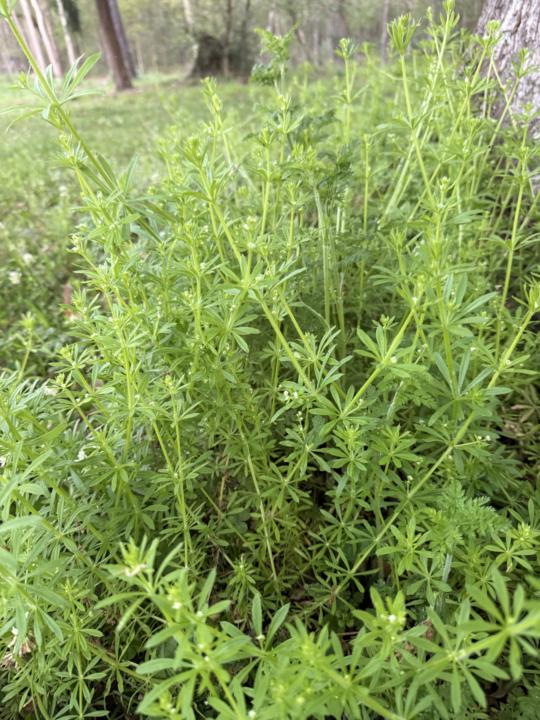
We have cleavers- for tea; chickweed- for balm; self heal- for an infused oil; and a wild geranium I have never used.

Dec '25 •
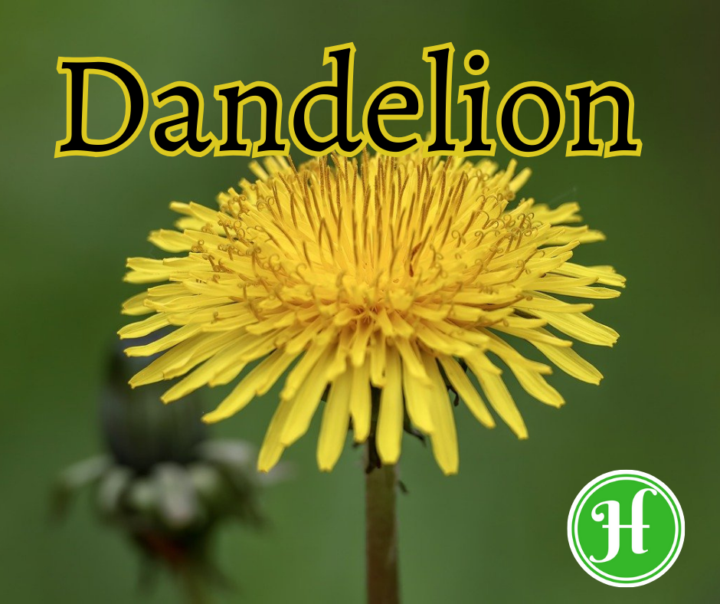
Dandelion- a very misunderstood "weed"
Talk about wild- dandelion defies all rules of gardening and thumbs its nose at the pesticides designed to kill it- THANK GOODNESS! What a powerful herb! In my region, zone 9b, the cool weather (what we call winter) has caused the dandelions to reemerge. They won't bloom much until spring, but the green plants have popped up all over my herb garden. I thought it fitting for today's focus. Dandelion (Taraxacum officinale) Common names: Lion’s tooth, piss-a-bed Identification - Bright yellow composite flowers - Deeply toothed leaves in a rosette - Hollow milky stems - Globe seed head ("wish flower") Energetics - Bitter - Drying - Cooling Key Actions - Bitter digestive - Cholagogue (stimulates bile) - Diuretic - Hepatic - Nutritive tonic Chemical Constituents - Sesquiterpene lactones (bitters) - Inulin (prebiotic fiber) - Potassium (supports diuretic action) - Flavonoids - Triterpenoids Medicinal Uses - Liver & Gallbladder: improves bile flow, detoxification - Digestion: stimulates stomach acid, appetite, and digestion - Kidneys: strong yet safe diuretic without depleting potassium - Metabolic health: supports blood sugar regulation - Nutrition: vitamins A, C, K, iron, calcium Folklore A symbol of resilience; children’s “wish blowing” traditions date back over 300 years.
Oct '25 •
Plantain- not a WEED!
This little plant shows up in disturbed areas and neglected beds- but don't skip it! Plantain (Plantago major and Plantago lanceolata) is one of those humble herbs that most people overlook—or even pull as a weed—without realizing they’re tossing out one of nature’s best healers. Found along paths, in yards, and even growing through sidewalk cracks, plantain has earned the nickname “the green bandage” for good reason. For centuries, herbalists have turned to plantain to soothe insect bites, bee stings, burns, and minor cuts. The leaves contain aucubin, an anti-inflammatory compound, and allantoin, which promotes new tissue growth. When you crush a fresh leaf and place it directly on a sting or wound, it quickly calms itching, draws out toxins, and encourages healing. Internally, plantain shines as well. A tea made from its leaves or seeds can help ease coughs, sore throats, and digestive irritation, acting as a gentle demulcent that coats and soothes mucous membranes. In folklore, plantain was believed to protect travelers from harm and was carried as a charm of safety. The Anglo-Saxons even listed it among the nine sacred herbs used for healing. Next time you see this unassuming plant in your garden, think twice before weeding it out. Plantain is a powerful, free medicine chest right under your feet—one that has stood the test of time. I made a great tea with plantain and lemon balm when I was having trouble last winter.
4
0
1-8 of 8
skool.com/gardenapothecary
Practical Herbalism & Garden Apothecary Skills- guaranteed to teach how to grow and use herbs medicinally for both you and your pets & livestock.
Leaderboard (30-day)
1

+5
2

🔥
+2
3

+1
4

+1
Powered by