Activity
Mon
Wed
Fri
Sun
Jan
Feb
Mar
Apr
May
Jun
Jul
Aug
Sep
Oct
Nov
Dec
What is this?
Less
More
Memberships
Klant & Klaar
188 members • Free
Watch Lover | Community
2.6k members • Free
88 contributions to Watch Lover | Community

Sep 8 •
Garmin forerunner 255
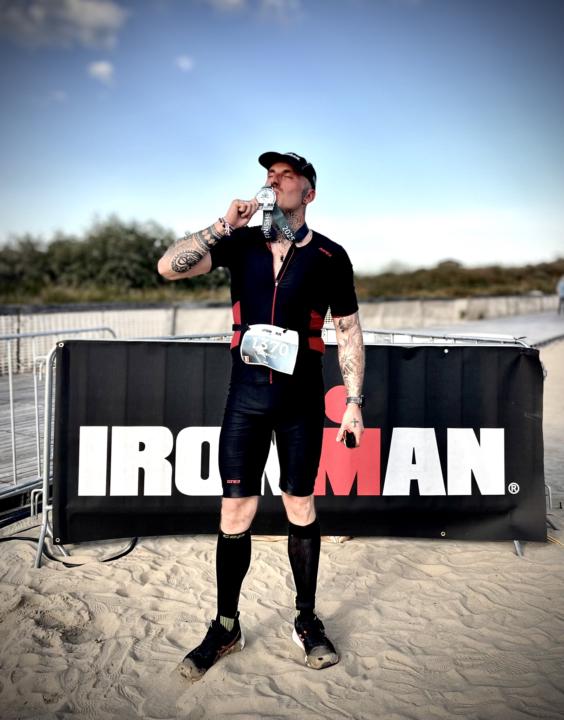
Hello friends! Hope you had an amazing weekend! I had my iron man this weekend so that’s why I was not really active here like I said. The good news is that I am back and that I’m an official iron man. Wearing my Garmin forerunner 255 in the picture.
2 likes • Sep 8
@Brett Sutton they have ! Thank you so much Brett! It was a very emotional experience crossing that line !
2 likes • Sep 8
@David Denham Jr thank you so much David!
Sep 2 •
No reviews for this week
Hey Guys ! Just to let you know i won’t be posting any review preview clips and reviews for the rest of this week. I’m sorry ! I do want to thank you all for the support and the positive reactions I get on my clips and reviews ! I have my Iron Man this Sunday and the next few days are all about the race and getting into that mindset. I’ll be back on Monday !
3 likes • Sep 3
@Oscar D thank you ! I Will!
2 likes • Sep 3
@Sean Kavanaugh thank you Sir! It one of those things you need to go all in with and make it to the finish. Awesome wife you have !
Sep 2 •
Breitling’s Epic Journey: From Swiss Workshops to Global Icon.
140 years of watchmaking art. Breitling watches have been turning heads and keeping time with swagger since 1884. With a knack for blending precision, bold design, and a love for adventure, this Swiss brand has carved out a legendary spot in the watch world. From its early days crafting chronographs to outfitting pilots and divers, Breitling’s story is packed with innovation and style. Léon’s Big Idea. It’s 1884, and a young Léon Breitling, just 24, sets up shop in Saint-Imier, Switzerland, surrounded by the Jura Mountains. He’s got a thing for chronographs, those fancy watches that measure time down to the second. Back then, everyone from scientists to racecar drivers needed accurate timing, and Léon was all in. By 1889, he patented a sleek pocket chronograph that was easy to use and maintain. Business boomed, and by 1892, he moved to La Chaux de Fonds, the watchmaking capital, turning his little workshop into a proper factory. In 1906, his “Vitesse” pocket watch, which could measure speeds, was such a hit that Swiss cops used it to catch speeders,talk about a claim to fame! Family Ties and Flying High. When Léon passed away in 1914, his son Gaston stepped up. It was World War I, and aviation was taking off, literally. Gaston saw the potential and in 1915 launched one of the first wrist chronographs, with a button to start, stop, and reset. By 1923, he’d tweaked it so one button handled start/stop and another reset, making it a pilot’s dream. Sadly, Gaston died young in 1927, and his son Willy, only 14, wasn’t ready to take over. The company held strong until Willy grabbed the reins in 1932. Willy was a rockstar with big ideas. In 1934, he patented the two pusher chronograph, which became the blueprint for modern chronographs. He also started the Huit Aviation division in 1938, building cockpit clocks for the British Royal Air Force during World War II. Here’s a wild story, Willy once used car headlights to light a secret runway for RAF planes picking up his chronographs, dodging Nazi export rules with a cheeky bar excuse!

3 likes • Sep 2
@John Langlois you are very welcome John! My pleasure !
2 likes • Sep 3
@Brett Sutton the chronomat gmt is something I like. The Toptime is another contenter !

Sep 2 •
Other hobbies?
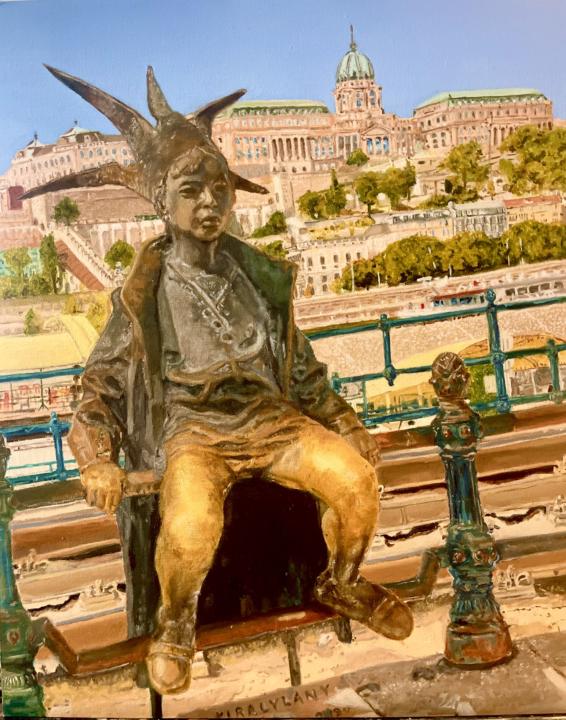
I’m curious….what other hobbies do you all have? After drawing most of my life, I took up oil painting a few years ago after much encouragements from my wife. I’ve grown to enjoy its challenges and quite like it. I’m now taking painting classes at my local community college to continue to hone my skills. Here is a sample of some of my paintings. The Little Princess The Chukkar (unfinished) Vanitus: Carpe Vitam Irie Mon-Alisa Red Geisha Kotor Pom Noble Beer Big Daddy Caddy Castello Scaligero di Sirmione Pivo in Prague
7 likes • Sep 2
I’m a muay thai fighter and triathlon athlete. I’m also a biker and we own 4 bikes. 1988 Honda vt1100, 2025 Suzuki sv650, 2000 Yamaha R6 and a Kawasaki 650. We also have 2 dogs, a Cane Corso and a Siberian Husky so a lot of walking too.

🔥
Sep 1 •
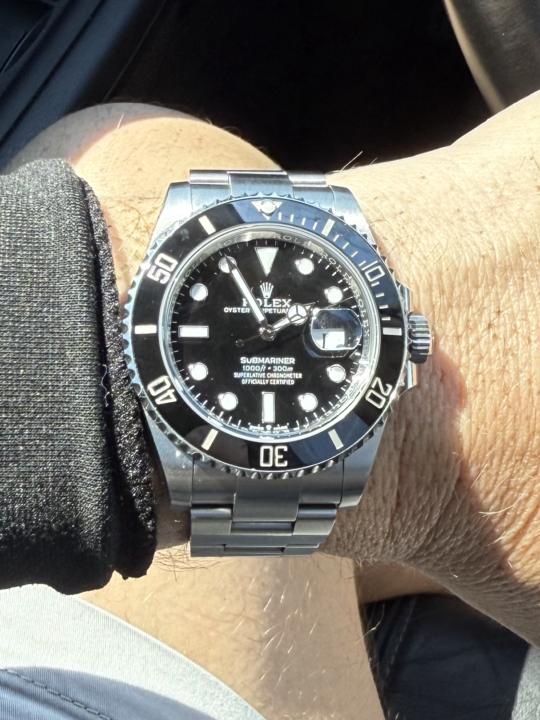
WOTD- Labor Day Holiday: Rolex Submariner Date
Enjoying the holiday spending time with family while wearing the crown. Can’t seem to get enough of it lately. Hope you all have a wonderful holiday!
12 likes • Sep 1
Beautiful !! Sub-date is a very good pick! I remember you had 2 Rolex watches in your collection, what is the other one ? If I should take a guess I would say a daytona or a presidential.
1-10 of 88

@lorenzo-devos-4246
Watch aficionado located in Europe.
Active 104d ago
Joined Aug 8, 2025
Powered by