Activity
Mon
Wed
Fri
Sun
Oct
Nov
Dec
Jan
Feb
Mar
Apr
May
Jun
Jul
Aug
Sep
What is this?
Less
More
Owned by Jon
A brotherhood that rejects mediocrity, rebuilds from the inside out, and leads with impact. Rise higher, live bolder, and make an impact.
Build the Man by Jason Watson
721 members • Free
Growth Lab By ROAS.co 🧪📈💰
217 members • $9,997
🔹Digital Boss Skool Hub🔹
1.1k members • Free
the skool CLASSIFIEDS
2.1k members • Free
🎙️Skool Summit Stage🎙️
997 members • Free
'One To Many' Mastery
1.7k members • Free
Selling Online / Prime Mover
36.7k members • Free
The Honest Man Project
148 members • Free
Speaker Mastery Community
190 members • Free
40 contributions to Speaker Mastery Community

18d •
How do you build your signature presentation?
This is step 2 in the process of building you speaker business. Your signature keynote is what you will become KNOWN for. There is a proven 10 - Step formula that allows you to 1.share your story in a way that changes the story for your audience, 2. Speak authentically from the heard 3. Realistically help the person listening to you. 4. Allows you to speak on any stage without notes. 5. Can be flexed to any time frame. I've written a guidebook to help you put your message into the 10 steps. If you need it, you can find it at MarianneHickman.com (see screenshot below)


1 like • 3d
@Marianne Hickman thanks for this. I’ll check it out
19d •
Are you seeing this post?
Testing something - comment below the date and time you see this post.
2 likes • 18d
6:08 pm MST on 9/1
2 likes • 17d
@Marianne Hickman it just popped up in my Skool notifications. Because I follow you.
Aug 3 •
Wins from our community (Congrats Ann!)
@Ann Pells was just spotted on the TEDx stage! Congratulations! https://www.youtube.com/watch?v=Ye2YtE89G9k What are your wins this week?
1 like • Aug 4
Awesome
Jun 30 •
Just sent out an invoice for $32.5k for a speaking gig.
And I want to tell you step by step how I did it. This was NOT overnight. 1. Accept the Invitation. This started 10 years ago, when I went to a party at my brother's house and I met the speaker. 2. Make the ask. I then asked for the speakers number, and had a phone call with them 3. Become a Student. I went to every seminar that speaker put on, and every digital event. I worked for free for YEARS. I spoke for free for YEARS, practicing my keynote, body language, CTA and delivery. 4. Honor the Introduction. An introduction to the right person is the key to your growth, so treat it like the gold that it is. 5. Keep delivering value. I kept posting on social, as if I had already been booked. Today when I got on the call, the person on the other end said "I've been watching what you're up to and I'm excited to create this with you" 6. And above all, have integrity. If you want to get booked, you have to have a reputation of doing what you said you would do. ****The hardest part of this whole process for a lot of us, is #5. Showing up as if you've been asked, before you get asked. So do today what you would do the day after your dream gig.
2 likes • Jun 30
That’s awesome. Great advice. Thank you
Jun 18 •
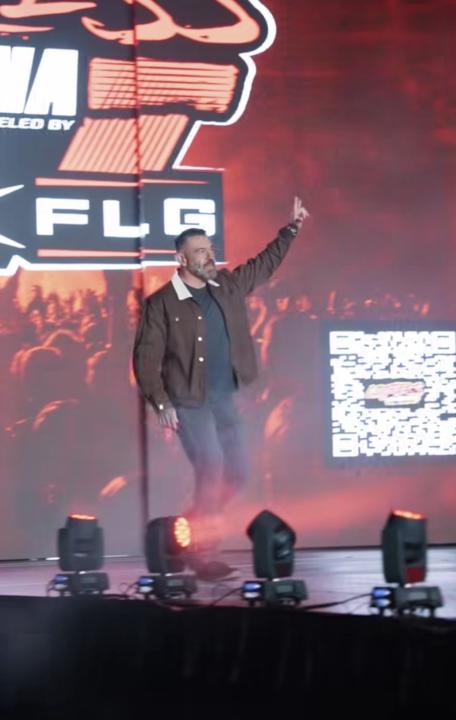
I got to meet SO MANY OF YOU on Saturday!
We were on the floor Saturday at the Limitless Arena and got to see some incredible speakers, including our own Tiffanie Janowitz on stage. Meeting you in person at our LIVE podcast recording was by far the best part. What is one thing you're proud of and one thing you're working on the rest of the week?
3 likes • Jun 18
I went to the Andy Elliott event the night before in SLC. Got to see Evan Macklin. He wrote the Forward of my book.
2 likes • Jun 19
@Marianne Hickman sad I missed you guys though 😁
1-10 of 40
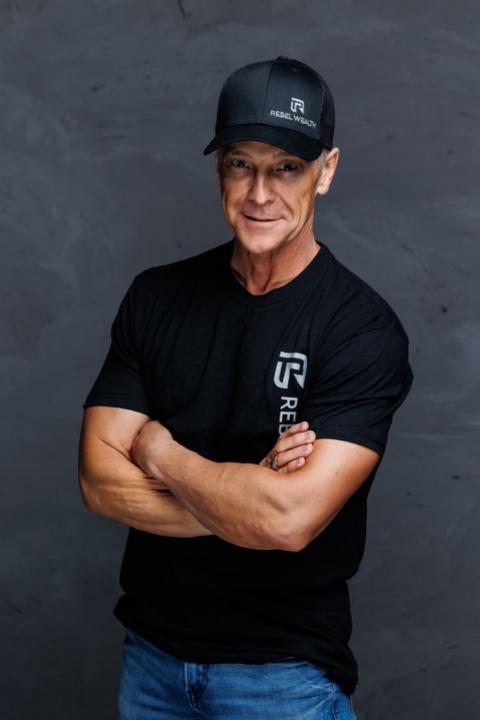
@jon-andrus-8866
Dominating life in fitness, business, and leadership. Founder of Rebel Wealth focused on self-mastery and empowering others.
Active 2h ago
Joined Nov 29, 2025
Ucon, Idaho 83454
Powered by