Activity
Mon
Wed
Fri
Sun
Aug
Sep
Oct
Nov
Dec
Jan
Feb
Mar
Apr
May
Jun
What is this?
Less
More
Memberships
MMC BunClub
130 members • Free
4 contributions to MMC BunClub

Apr 11 •
Let's talk calcium and pregnancy.
Just a heads up to everyone running rabbits right now. The alfalfa crop coming out of Texas (fall 2025) has been testing low in both mineral density and protein efficiency. That matters more than people think. If that crop made it into pellet production, your bag may not actually be delivering what the tag says on paper. And we’re starting to see it. What I’m seeing — and what others are reporting — lines up: • more brittle bones • increased fractures • does struggling to kindle • more straining in labor • poor milk production • DOA kits or underdeveloped kits • late-term losses or does dumping litters in the third week Because of this, and because I’ve now seen it in more than one doe, I’ve started supplementing calcium in the water during the last week of pregnancy through the first 5 weeks of nursing. Mix and dosage are at the end. This is now being added into Class 5 of the nutrition course, but I’m putting it here because this is one of those moments where waiting costs litters. What Calcium Is Actually Doing in a Rabbit Calcium in rabbits gets reduced to “sludge” conversations way too often, and that misses the entire point. Calcium is not a side mineral. It is a structural, metabolic, and reproductive driver. Rabbits are built to absorb calcium efficiently and use it continuously. Their entire system assumes it will be available. When it’s not, things don’t degrade slowly. They fail across multiple systems. Growth — Building the Frame Calcium is what builds the rabbit. It drives: • bone formation • tooth development (which never stops in rabbits) • structural growth When calcium is inadequate, you don’t just get “slower growth.” You get: • weaker frames • poor bone density • dental problems • long-term structural compromise You are not raising a smaller rabbit. You are raising a weaker one. Bone — Maintenance, Not Just Growth Bone in rabbits is constantly being remodeled. Calcium is moving in and out of storage all the time to support: • muscle contraction

0 likes • Apr 12
😱 This is VERY concerning, given that I have like 4 does due rn.
1 like • Apr 12
I just sent off an email to the Kent (Home Fresh) CS rep I talk to whenever I have questions, about the state they sourced their alfalfa from between now and the last 4-6 months. 🤔 I'll update when I hear something.
Mar 22 •
Saturday was a long day.
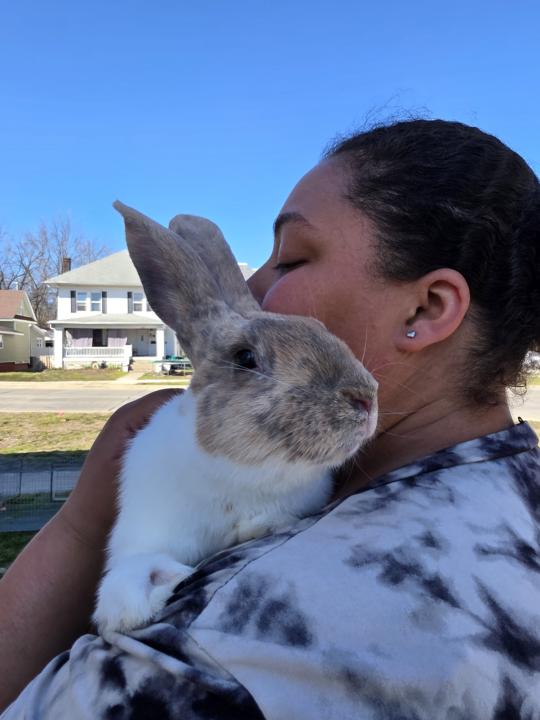
Took 15 rabbits to their new home in Illinois today. Sara is restarting her meat herd, and it felt good getting them settled in while a new lean-to is going up. While I was away, I got the news that Cindy had passed. She gave me one last strong litter, one doe in IL, and a Tricolor I kept . I had planned to give her a well-earned rest—but Cindy had her own timing. The night before, she was exactly as she’d always been—gentle and social, coming up for long head pats, and visiting with Kranitz just an hour before he found her. She was stretched out between her feed and water on a warm spring day. He thought she was simply napping, like her daughter tucked beneath her and Martha a few rows down… but her rest had gone deeper, and she didn’t wake. Cindy was my first Best of Breed harlequin doe. She leaves behind daughters both in Harlequin and Senita lines that will carry her forward, and a mark on this barn that won’t be forgotten.
1 like • Mar 23
Nooo not Cindy :-( that sucks so bad. I'm glad she went peacefully. She deserved that.
Feb 27 •
First Grand Champ incoming 😍
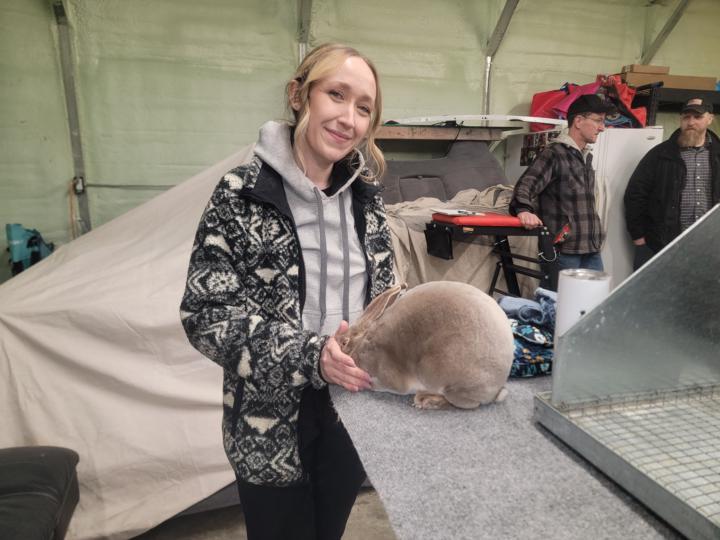
CCR's Persephone earned her 3rd and SR leg this past Saturday at a Rex Specialty Show. I'm so excited to be getting my first rabbit granded! And she's a homebred🙌 (I don't consider it my lines as both parents were purchased, but she is the start!) She will be tagging along to the show this weekend to get her paper work done, but I didn't enter her. She is almost 9 1/2 months old so she is retiring from the table and hopefully will start producing the next generation soon🤞 Pictured with judge Callie Webber who gave her her first and last legs
2 likes • Feb 28
CONGRATS!!! Hey you bred her, you showed her.... She's a you product!
Dec '25 •
🌲🐇 Yule Bun Check-In! 🐇🌲
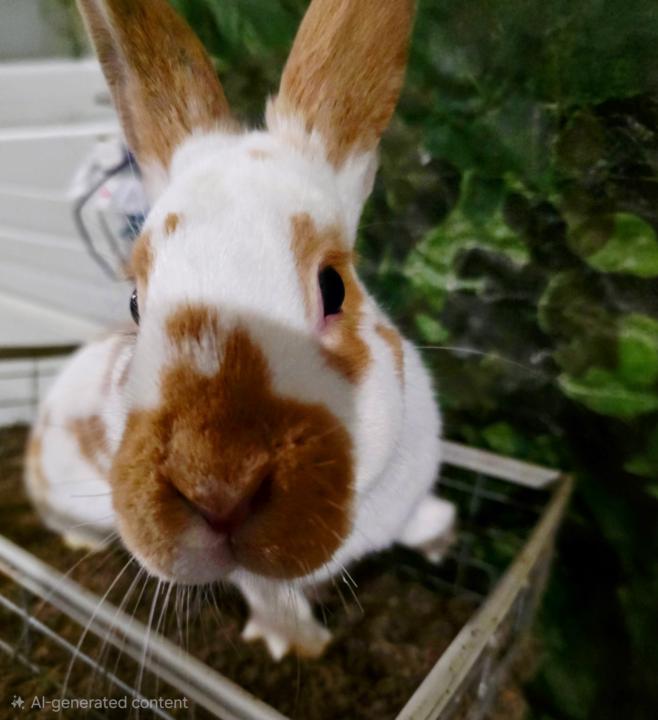
As we head into Yule / Christmas week, I want to see what your rabbits are up to right now. Are they: • Ignoring the cold like tiny furred vikings • Acting offended by extra straw • Judging you for being late with breakfast • Or absolutely convinced they are the real holiday gift? Drop a photo, a story, or a “my rabbit did this ridiculous thing today” moment below. No show polish required — winter chaos buns welcome. Bonus points if your rabbit looks like they’re plotting something. 🎄✨
1 like • Dec '25
All of the above, plus judging me like I'm the new waitress 😂
1-4 of 4

Active 71d ago
Joined Nov 6, 2025