
Write something
May 29 •
Equipment for Eval Pics and Videos
What is everyone using? I use my cell phone but don't have a great spot to set it up. I've seen various phone holders and such used by content creators. My phone is a Samsung galaxy s21 ultra so it is BIG and doesn't fit in a lot of car phone holders, so not sure what my best options are

Jun 5 •
Culls keep a herd healthy
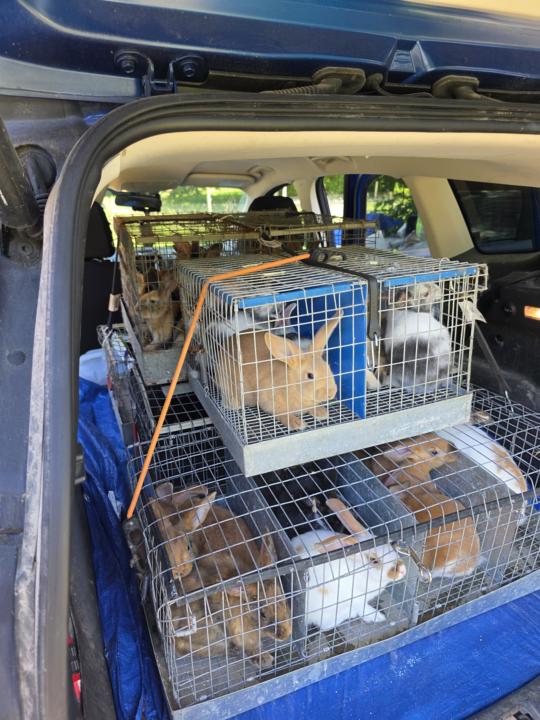
This week, I took approximately 75 rabbits to be culled. That is not something I say lightly, but it is part of responsible herd management. Culling controls population, prevents overcrowding, reduces wasted feed, and helps ensure that rabbits with weak genetics are not passed forward into someone else’s barn, breeding program, or the pet trade. I cull for size, color, type, structure, hardiness, and health. My rabbits have to meet minimum standards before they stay here, leave as breeding stock, or are shown. If they do not meet those standards, they do not move forward. Rabbits are hard-culled for issues such as: undersize for breed or line wrong color for the program poor type weak immunity poor weather hardiness malocclusion pinched hips undercut rears weak feet rangy or stringy build failure to thrive traits that do not improve the herd I do not sell rabbits as “pet quality.” To me, that is not a real category. A rabbit that is not good enough to breed or show should not be passed off to someone else just because it is cute. That is how poor genetics, poor structure, and health problems keep circulating. A strict cull policy protects the rabbits I keep, the rabbits I sell, and the people who trust my breeding program. It is also important to have a trusted cull buyer who will not turn around and sell those rabbits into the pet market. I only sell directly to processors or process them myself. Culling is not the fun part of breeding. But if you are breeding animals, you are responsible for the lives you create. That means knowing what stays, what leaves, and what should not be passed forward. For other breeders: what are your automatic cull traits, and what traits are you willing to grow out and evaluate longer?
2
0
May 30 •
Hard culling is important
Gotta feed the zoo , and your communityand not everything is worth passing its genes on.
1
0
Apr 26 •
Cull or Keep?
You’ve got a litter: – great growth – weak feet -- Lacks depth and loin. – decent temperament What’s your call? Cull, grow out, or breed forward—and why? Yes the broken video was in response to this post of a "not new zealand " that in my opinion need to be in a crock pot. Its not near good enough quality to even attempt to breed up from. this is a rabbit that your are best to cut your losses.. They need to have something to advance your program . If the only thing going for it ,is "I like the color"... good. Make it a blanket , you'll have the Pelt forever .

Apr 18 •
At New Zealand Nationals!!!
We have a private building this year. Very relaxed And some beautiful animals

1-26 of 26
powered by
skool.com/mmcbunclub-6215
Bun Club: science-based rabbit education promoting data-driven care, accurate nutrition, and verified research.
Suggested communities
Powered by