Activity
Mon
Wed
Fri
Sun
Aug
Sep
Oct
Nov
Dec
Jan
Feb
Mar
Apr
May
Jun
Jul
What is this?
Less
More
Owned by Christopher
💚 A safe space to heal, learn and grow. Join trauma survivors, parents and professionals building a more trauma-informed world together 💚
🌍 A global community for therapists, counsellors, and coaches to connect, reflect, and grow as practitioners - and as humans. A space just for us 🌍
Memberships
Skoolers
166.9k members • Free
Skooly: Tools for Skool
254 members • $9/month
Skooligans
141 members • Free
Back to Stability/Aurora
7 members • Free
Let's Be Better For Ourselves
68 members • Free
Grounded Roots Parenting 🌿
111 members • Free
DAfree Awareness Movement
328 members • Free
YoungerMeDreamsComeTrue❤️
8 members • Free
When Something Feels Off
215 members • $9/month
58 contributions to Inspired Life, Empowered Being
🔥
8d •
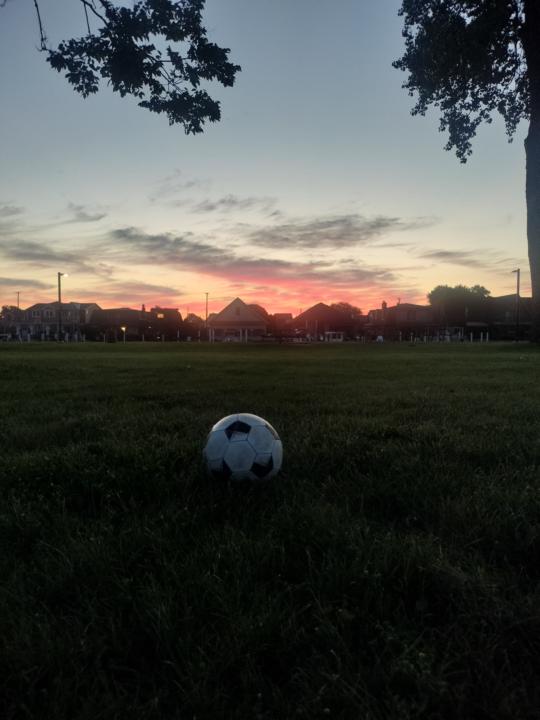
Lone soccer ball: Impermanence and Relationships
I went to catch myself a sunrise yesterday morning. On my way to 'the spot', I noticed a soccer ball sitting alone in the field--there were no people in sight (likely because it was 5:30a.m., ha!). But looking at this ball got me thinking about how we lose things or how we can be 'left behind'. Made me think about how sometimes we fumble things or we are fumbled and through negligence, distraction or to being caught in the crossfire of someone else's stuff (or them being caught in the crossfire of our own stuff) we end up losing things. Sometimes we can recover them but sometimes not. And...Sometimes those things are more important than soccer balls. Funny enough, on my way back from this walk, there were four men that were gently kicking the ball around as they were walking... Perhaps they will also leave the ball behind for different reasons, but it was also a reminder of how being fumbled doesn't have to be the end of the story. --------- Most of us don't lose important relationships because we wake up one day and decide they don't matter. More often, they fade through distraction, neglect, competing priorities, stress, assumptions, or simply the busyness of life. Sometimes it's related to wounds that they/we haven't tended to and we/they end up as collateral damage in something that doesn't even have to do with us/them. We become consumed with our own struggles or focused on someone else's, and before we realize it, something valuable has been left behind. 𝐑𝐞𝐥𝐚𝐭𝐢𝐨𝐧𝐬𝐡𝐢𝐩𝐬 𝐚𝐬 𝐥𝐢𝐯𝐢𝐧𝐠 𝐬𝐲𝐬𝐭𝐞𝐦𝐬. Like muscles, they strengthen through (healthy) use and weaken through disuse or misuse. There are things that keep relationships alive: healthy attention, responsiveness, shared experiences, shared values and visions, shared rhythm of life... Without those, emotional distance can emerge. It's not necessarily through malice (usually it's not), but through impermanence. 𝐈𝐦𝐩𝐞𝐫𝐦𝐚𝐧𝐞𝐧𝐜𝐞 𝐢𝐬 𝐚 𝐟𝐮𝐧𝐝𝐚𝐦𝐞𝐧𝐭𝐚𝐥 𝐫𝐞𝐚𝐥𝐢𝐭𝐲 𝐨𝐟 𝐥𝐢𝐟𝐞.People change (or, more likely, their focus is more likely to change). Circumstances change. Roles change. What felt effortless at one stage of life may require intention at another (think kids-when a couple could just effortlessly spend time together, now they have to be very intentional about that time).
Poll
10 members have voted
🔥
2 likes • 5d
I rekindled my relationship with my Brother. We had not spoken for many years. We disconnected due to conflicting feelings around our Mum. When My Mum passed away, we were able to reconnect and build a beautiful relationship for 5 years before he sadly passed away too. I am very grateful for those 5 years 💚
🔥
2 likes • 2d
@Georgiana D 💚
🔥
May 24 •
From online to IRL connections- the gift of friendships
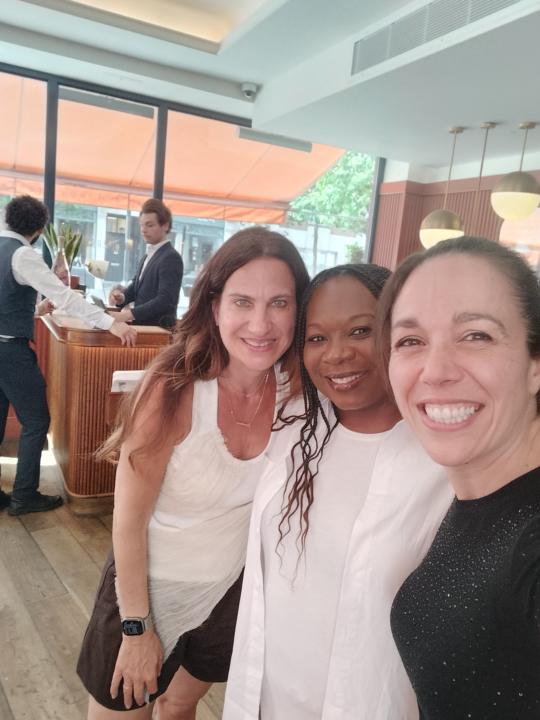
I've said this before, but when starting this community and when joining other communities on skool, I never anticipated the actual 'community' piece of it. Didn't expect the very real connections that would be made through a medium that seemed so detached to me. But, here we are, connecting. And it feels real. Because maybe, just maybe, it is real after all? This past week @LaTanya Carter and I had an incredible journey making our way through a few countries (more on that in a different post). It's been a beautiful trip filled with realizations, beautiful scenery and gratitude. I'm so thankful for the ability to do this and so so blessed to do this with her! She's lovely 💗 The highlight on the very last day of our trip has been being able to meet @Serena DAfree in real life!!! 🇺🇲🌎🇬🇧 Her and I met early on and we just 'clicked'. Her heart for people and her ability to look beyond the surface really stood out and I just love her energy. The real life meet up just further highlighted her spirit and her love. (Thank you for a lovely lunch!) Spending time with her was the best part of the last day. It never ceases to amaze me that we live in a time where we can meet strangers (from all over the world) online and become friends and meet them in real life. Wild times... How have your online connecting experiences been for you? I personally know it doesn't always turn out positive but obviously I'm hoping for more good than bad!
Poll
18 members have voted
🔥
7 likes • May 24
[attachment]
🔥
May 23 •
What is the opposite of fight, flight, freeze, and fawn?
Many think the answer is: “Calm all the time.” “Never getting triggered.” “Always feeling positive.” But trauma recovery is usually much deeper and much more human than that. Fight, flight, freeze, and fawn are survival responses. They are intelligent adaptations from a nervous system that learned it needed to protect us. So the opposite is not perfection. It is not becoming emotionless. It is not “never struggling again.” The opposite is slowly moving toward: Safety Connection Regulation Flexibility Authenticity And choice. Healing can look like: Fight: healthy assertiveness and boundaries Flight: groundedness and the ability to stay present Freeze: movement, engagement, and emotional aliveness Fawn: authenticity and more balanced relationships And importantly: Healing does not mean we never enter survival mode again. It means: Recognising our patterns sooner Understanding them with compassion instead of shame And finding our way back to safety more easily over time. We are not broken because our nervous system learned how to survive. Recovery is often the process of teaching ourselves: “I do not have to live in survival mode forever.” What are your thoughts? Please share below...

🔥
Apr 27 •
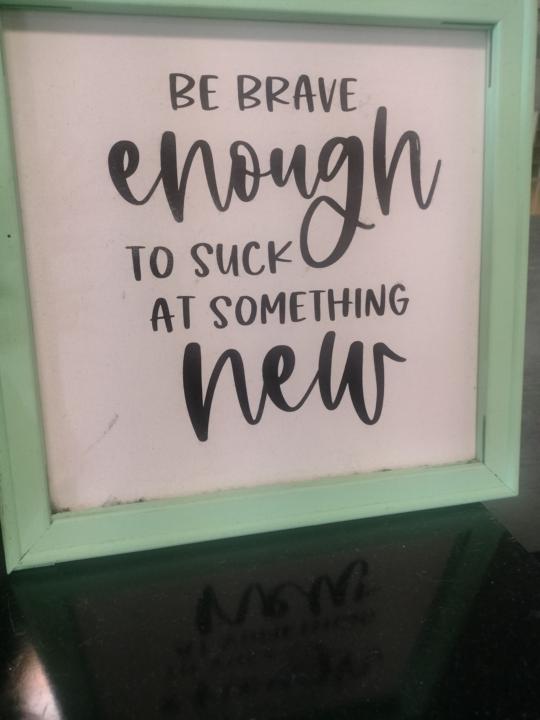
Embrace the discomfort
Saw this at a place I was visiting today and thought I'd pass it on !! When trying something new, it's probably going to feel uncomfortable! Those are new neural connections being created so there is an actual physical discomfort that's happening. That's normal! Let's embrace the process :-) get aligned and then embrace the discomfort that comes along with the change!
🔥
1 like • May 5
@Georgiana D I'm thinking a lot about by relationship with spirituality which has always felt uncomfortable for me. It's something I am currently working on 🌞
🔥
1 like • May 14
@Dr. Melissa Partaka thanks for sharing that 🙏

🔥
3 likes • May 2
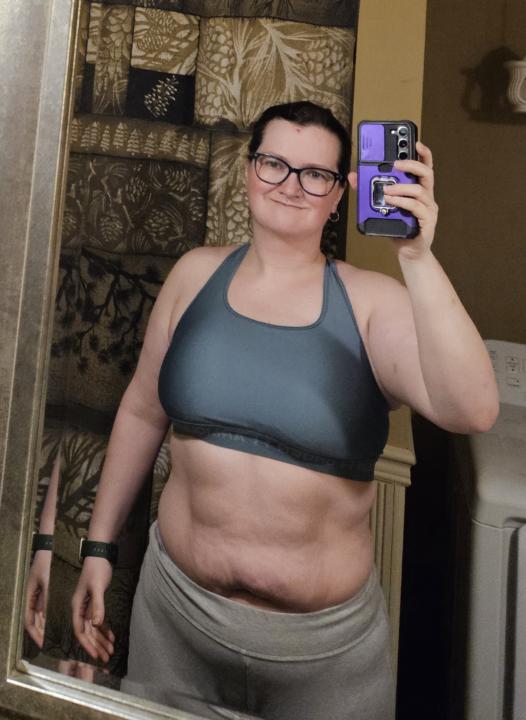
Well done @Rebecca Martin 🌟
1-10 of 58
🔥
@christopher-whitehead-baines-7655
Lived Experience UK based Trauma Psychotherapist, Clinical Supervisor, and Global Peer Mentor. Proud Adoptive Father and Trauma Informed Parent.
Active 7h ago
Joined Jan 9, 2026
Blackpool UK