Activity
Mon
Wed
Fri
Sun
Aug
Sep
Oct
Nov
Dec
Jan
Feb
Mar
Apr
May
Jun
Jul
What is this?
Less
More
Memberships
Humans Behind The Uniform
61 members • Free
6 contributions to Humans Behind The Uniform
May 19 •
Paramedics in Saskatchewan
A pair of boots sitting on a stretcher beside an urn carrying a medic lost to mental health struggles. No flashing lights. No sirens. Just silence. For many in EMS, that image says more about the hidden cost of this profession than words ever could. “The following message was submitted anonymously by a veteran frontline medic in Saskatchewan and is shared with permission.” This year’s Paramedic Services Week theme is “Improving Outcomes, Together.” But behind the lights and sirens, many paramedics say the system is quietly breaking. Paramedics are not just ambulance drivers. They are highly trained medical professionals making life-and-death decisions in seconds, often in chaotic environments most people will never experience. They manage complex patients, medications, trauma, mental health crises, overdoses, cardiac arrests, and critical care medicine all outside the walls of a hospital. The job is dangerous. Assaults and threats are common. The emotional toll is even heavier. When outcomes go bad, paramedics carry it personally. PTSD rates among paramedics are among the highest of all first responders, and suicide rates in Canada remain deeply concerning. Meanwhile, Saskatchewan EMS crews are facing crushing pressure:• Call volumes have surged since 2020• Hundreds of vacancies leave ambulances short-staffed• Rural crews are trapped in exhausting on-call cycles• Paramedics remain among the lowest paid in Western Canada• Many never make it to retirement due to physical or psychological injury And despite all of it, many feel they cannot safely speak publicly about the realities inside the system. But ask any medic why they stay, and the answer is simple:Because saving a life means someone gets another birthday. Another Christmas. Another chance to watch their kids grow up. That feeling is priceless. If Saskatchewan truly wants better patient outcomes, we need to start valuing the clinical professionals behind the uniform before more of them are lost. #humansbehindtheuniform #dheillyfire_photography #paramedics #saskatchewan @premierscottmoe @officialcarlabeck @mearaconwayndp @jeremy4thebattlefords
0 likes • May 19
"But ask any medic why they stay, and the answer is simple: Because saving a life means someone gets another birthday. Another Christmas. Another chance to watch their kids grow up." And that is why so many make the ultimate sacrifice, they give themselves so others may live.
Sep '25 •
Welcome to Unbreakable: Life’s toughest tests
A road map to survive life’s ups & downs. You made it here and that already says something about you. This community is built for anyone who’s been knocked down by life but refuses to stay down. No matter your age, background, or story… you belong here. I’m Richard Dheilly a retired firefighter of 35 years, a father, a PTSD survivor, someone who has lived with Bipolar Disorder, gone through divorce, raised three boys, and found healing through photography. My story isn’t perfect. It’s messy, painful, and at times, nearly ended. But it’s real and it’s proof that you can survive. This space isn’t just about my story it’s about all of our stories. Together, we can help each other carry the weight, share the roadmap, and find the strength to keep going. ✅ How to Use This Community 🔹 Share your story. Post about the highs and lows of your journey. Someone out there needs to hear it. 🔹 Ask questions. If you’re struggling, reach out. The community is here to listen and help. 🔹 Support others. Comment, encourage, and remind people they’re not alone. 📚 Explore the Classroom Inside you’ll find my book The Picture That Saved My Life and other lessons drawn from real experiences with firefighting, mental health, fatherhood, and photography. 📅 Join Live Conversations Check the calendar for upcoming calls — sometimes scheduled, sometimes spontaneous. These are safe spaces where we can connect in real time. ❤️ The Rule Here Is Simple Be real. Be respectful. And remember — your story has the power to help someone else survive. 👉 Start here: Drop a short intro about yourself below. 🔹 Who are you? 🔹 What’s one challenge you’ve faced (or are facing)? 🔹 What’s one thing that keeps you moving forward? Let’s build this together. — Richard Dheilly
0 likes • Apr 11
Retired early after 35 years in Urban EMS. Got the scars (physical & mental) but also have great support.
Apr 1 •
The Therapy We Don’t Talk About
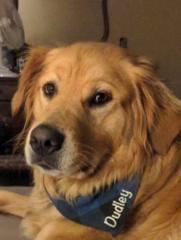
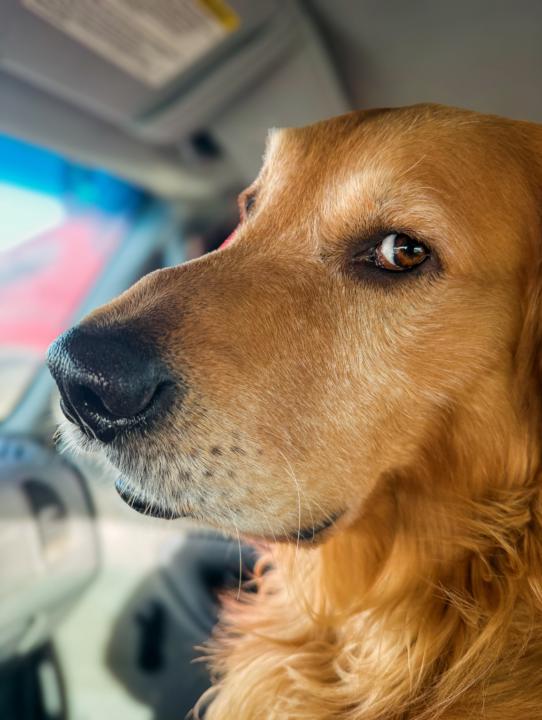
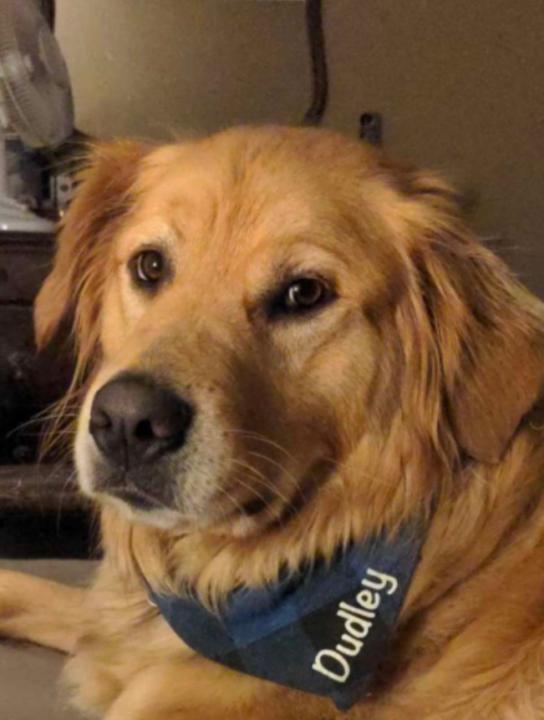
There’s a reason dogs are called man’s best friend… but honestly, that doesn’t even scratch the surface. Meet Milo. My golden retriever. He doesn’t know anything about PTSD. He’s never read a book on trauma. He’s not trained in mental health. And yet… some days, he’s done more for me than most people ever could. He doesn’t ask questions. He doesn’t judge. He doesn’t need explanations. He just shows up. On the days your head is loud… when the weight feels heavier than it should… when you don’t feel like talking to anyone… Your dog already knows. They sit closer. They follow you room to room. They rest their head on you like they’re saying, “I got you… you’re not alone.” And that matters more than people realize. Because mental health isn’t always about fixing everything. Sometimes it’s just about not feeling alone in it. Dogs force you to move. They get you outside. They give you routine when your life feels out of control. They pull you into the moment when your mind is stuck in the past. But more than anything… They give you unconditional presence. No expectations. No pressure. No judgement. Just loyalty. Milo doesn’t know he’s helping me stay grounded. He just knows I’m his person. And maybe that’s the lesson. If you’ve got a dog… you already understand. Drop their name below. Let’s give them the credit they deserve. 🐾 #Unbreakable #HumansBehindTheUniform #MentalHealthMatters #GoldenRetriever #StayGrounded
0 likes • Apr 11
Meet my therapist - Dudley.
Mar 10 •
Purpose Collapse
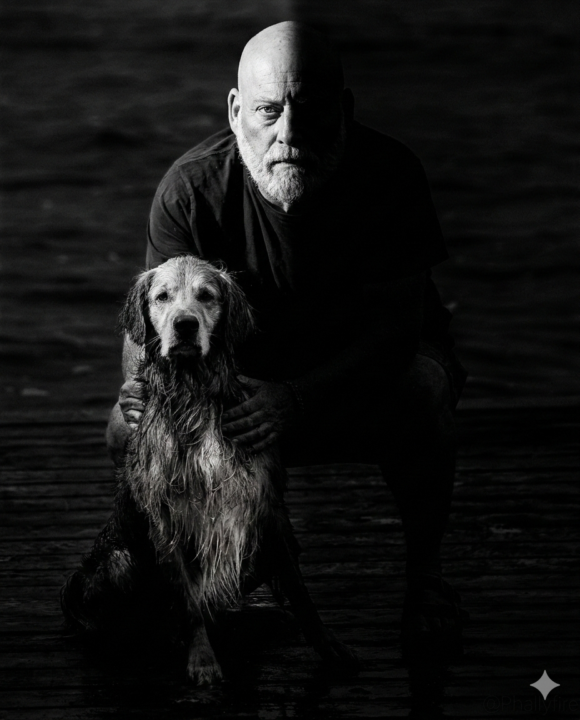
What “Purpose Collapse” Really Means For decades your brain was wired around a very clear system: - Mission: protect people - Identity: firefighter - Brotherhood: crew, station, team - Adrenaline: emergencies and problem solving - Meaning: people’s lives literally depended on you Every shift reinforced one powerful message: You matter today. Then one day… the radio goes silent. No calls. No crew. No problem to solve. The brain suddenly loses the structure it was built around. What Happens in the Brain When someone spends years in emergency services, their brain adapts to constant activation of stress and reward circuits. High-alert professions repeatedly stimulate systems like: - Adrenaline - Dopamine - Cortisol These chemicals helped you perform under pressure. But when the job stops: - dopamine drops - structure disappears - the nervous system slows down rapidly The brain can interpret that shift as loss of meaning, which often feels like depression. Why First Responders Feel It So Strongly Most careers are jobs. Emergency services are identities. You didn’t just work as a firefighter. You were a firefighter. Your brain associated self-worth with: - helping people - being reliable in crisis - protecting others - being part of a crew When that disappears, people sometimes feel: - restless - emotionally flat - disconnected - like something important is missing Even if life is technically easier. The Part Most People Don’t Talk About Many retired first responders say something like: “I miss the worst days.” Not because the trauma was good… but because those days reminded them why they existed. You were needed. That is one of the most powerful psychological forces a human can experience. The Good News Purpose collapse isn’t permanent. The brain eventually rewires around new meaning, but it usually requires three things: 1. A new mission Not necessarily another career — but something that helps people again.
1 like • Mar 18
Spot on Richard. Again. By the end I wasn't looking for the rush, I was looking for places to hide. Now I savor the peace & quiet. I'm loving my new life and coping with the physical damage caused by 35 years of "The Job" (EMS).
Nov '25 •
Hey Unbreakable Family I finally did it.
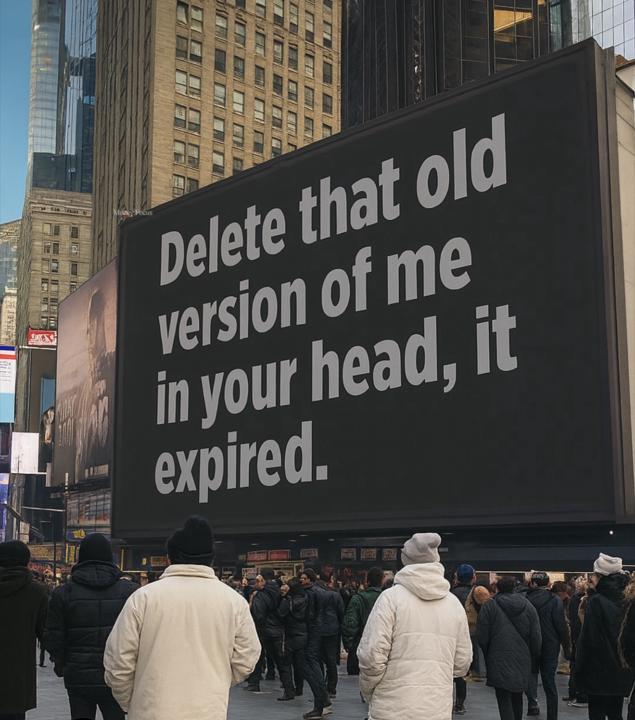
My book The Picture That Saved My Life is officially in the Classroom section. It isn’t just a story… it’s a journey through trauma, fatherhood, PTSD, love, loss, and the fight to stay standing when life tries to take your knees out. If I’m still here after everything, you can survive as well. I didn’t write this for sympathy. I wrote it so someone sitting in the dark might finally feel seen. So someone who thinks they’re alone might realize they aren’t. I would love your feedback what hits, what helps, what sparks something inside you. Take a read when you can. Sit with it. And if it resonates and let me know. Because this isn’t just my story anymore… It’s ours. And by sharing it, we give others permission to share theirs too. Let’s keep doing what we do best here — supporting, healing, and lifting each other up. Drop a comment if you’re going to give it a read 👇 Your words matter more than you know.
0 likes • Nov '25
I'm so glad it was therapeutic for you. Most of us are able to function reasonably "normal" but can be triggered by the most benign words/pics and often unexpectedly. When we see the trigger coming it's easier to brace, but when we're blindsided... In any case - This too shall pass.
0 likes • Nov '25
No worries, it's not the first time and won't be the last. It's expected after 35 years exposure to it! It definitely needs to be said, for those who've lived it & those who don't understand why we are the way we are.
1-6 of 6
@doug-n-9392
Retired after 35 years in urban EMS. Time to try & enjoy what's left
Active 18d ago
Joined Nov 14, 2025
Saskatchewan, Canada