
Write something
12d •
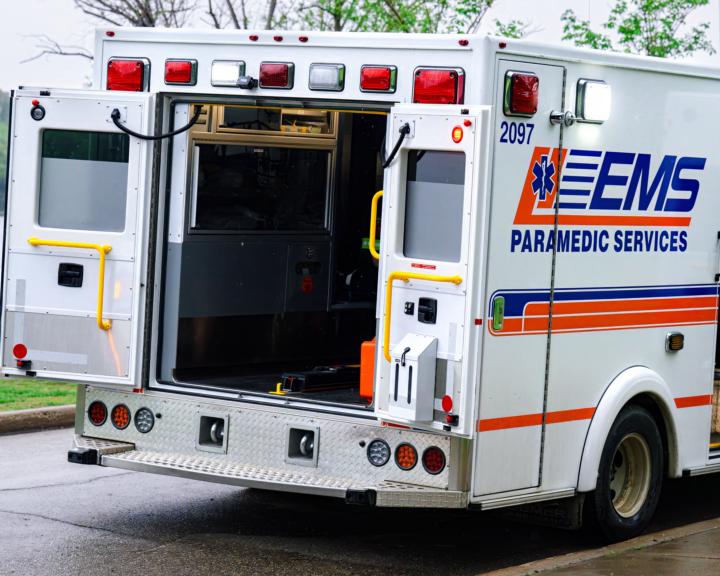
Doors…..
These doors opening mean someone’s world has just changed. The public sees an ambulance. What they don’t see are paramedics stepping into chaos, making life-changing decisions while families are living through the worst moments of their lives. Then the doors close. The patient is handed over. The truck is cleaned. Equipment is restocked. Before there’s even time to process the last call, the radio goes off again. That’s the part most people never see. Mental health isn’t just about the person inside the ambulance. It’s also about the paramedics who carry pieces of every difficult call long after those doors close. The next time you see these doors open, remember there’s a human being on both sides of them. Never forget there’s a human behind the uniform.
1
0
16d •
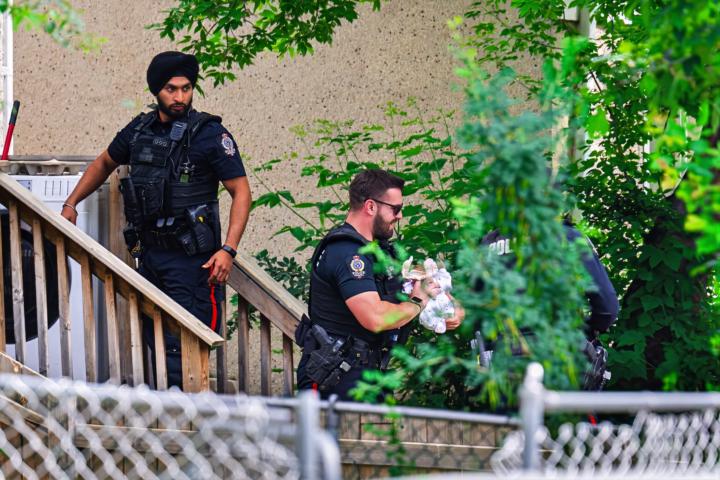
Police
Sometimes it’s easy to criticize the badge. People complain about police officers until the worst day of someone’s life arrives. Then they’re the first ones everyone hopes will come. Today I watched Regina Police officers sprint into a home where a baby was in medical distress. Seconds later they came running back out, carrying that baby straight to waiting paramedics and firefighters. There was no hesitation. Just people doing everything they could to give that child a chance. Today, that baby survived. We don’t always see these moments. They don’t always make the headlines. But they happen every single day. Behind every uniform is someone willing to run toward a stranger’s emergency while everyone else is running away. When seconds matter and a life hangs in the balance, these men and women show up. Today was a prime example of how Police, Fire and EMS work together so we can be safe in our community. #HumansBehindTheUniform #ReginaPolice #Paramedics #Firefighters #FirstResponders
1
0
May 19 •
Paramedics in Saskatchewan
A pair of boots sitting on a stretcher beside an urn carrying a medic lost to mental health struggles. No flashing lights. No sirens. Just silence. For many in EMS, that image says more about the hidden cost of this profession than words ever could. “The following message was submitted anonymously by a veteran frontline medic in Saskatchewan and is shared with permission.” This year’s Paramedic Services Week theme is “Improving Outcomes, Together.” But behind the lights and sirens, many paramedics say the system is quietly breaking. Paramedics are not just ambulance drivers. They are highly trained medical professionals making life-and-death decisions in seconds, often in chaotic environments most people will never experience. They manage complex patients, medications, trauma, mental health crises, overdoses, cardiac arrests, and critical care medicine all outside the walls of a hospital. The job is dangerous. Assaults and threats are common. The emotional toll is even heavier. When outcomes go bad, paramedics carry it personally. PTSD rates among paramedics are among the highest of all first responders, and suicide rates in Canada remain deeply concerning. Meanwhile, Saskatchewan EMS crews are facing crushing pressure:• Call volumes have surged since 2020• Hundreds of vacancies leave ambulances short-staffed• Rural crews are trapped in exhausting on-call cycles• Paramedics remain among the lowest paid in Western Canada• Many never make it to retirement due to physical or psychological injury And despite all of it, many feel they cannot safely speak publicly about the realities inside the system. But ask any medic why they stay, and the answer is simple:Because saving a life means someone gets another birthday. Another Christmas. Another chance to watch their kids grow up. That feeling is priceless. If Saskatchewan truly wants better patient outcomes, we need to start valuing the clinical professionals behind the uniform before more of them are lost. #humansbehindtheuniform #dheillyfire_photography #paramedics #saskatchewan @premierscottmoe @officialcarlabeck @mearaconwayndp @jeremy4thebattlefords
May 12 •
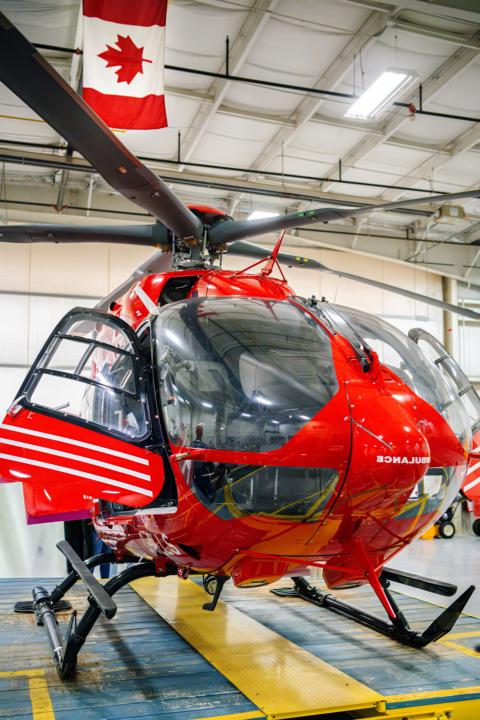
Stars
Most people in Saskatchewan hear the STARS helicopter and think “wow.” The crews inside hear stress, pressure and another family having the worst day of their life. Advanced care paramedics trying to keep somebody alive in the back of a flying tin can bouncing through prairie weather. Flight nurses making critical decisions at 2 in the morning running on experience, adrenaline and caffeine. Pilots flying in conditions most people wouldn’t even drive in while carrying a crew focused on saving a life before time runs out. People love calling them heroes. Fair enough. But behind all that are human beings carrying some pretty heavy mental baggage home after shift. The public sees the helicopter land. They don’t see the silence afterward. The replaying calls.The missed sleep.The dark humour.The emotional shutdown some days just trying to reset enough to do it all over again tomorrow. That aircraft doesn’t just carry patients across Saskatchewan. It carries the weight of the people inside it too. Humans Behind The Uniform. #HumansBehindTheUniform #STARS #AirAmbulance #Saskatchewan #Paramedic #FlightNurse #Pilot #MentalHealth #FirstResponders
1
0
Apr 18 •
The calls done….
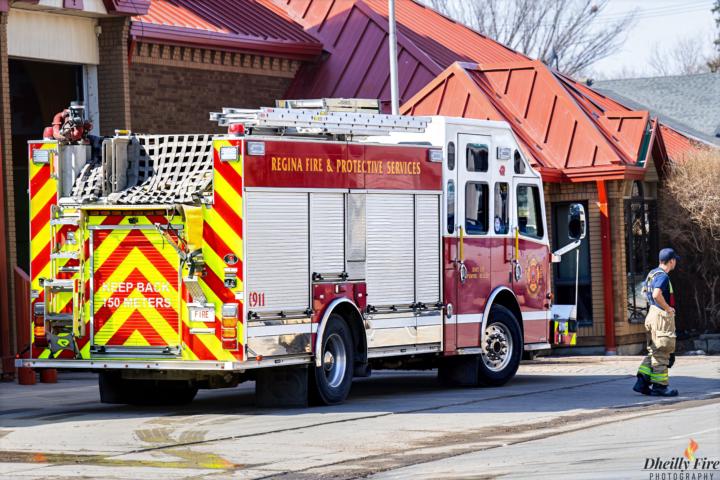
The call is over. But it’s not. You climb back into the truck. No one really says much. Everyone’s there… but everyone’s somewhere else. Then you get back to the hall. And it’s routine, right? Back the truck in. Nice and slow. Line it up. Like nothing just happened. But inside? Your head’s replaying everything. What you saw. What you did. What you wish you could change. And somehow… you’re expected to park it all as clean as you park that rig. No shaking hands. No missed steps. Just another perfect back-in. Because that’s the job. But here’s the part people don’t see That truck doesn’t come back empty. It brings the call with it. Every time. So if you know someone who does this job… Understand this: Sometimes the hardest part of the call isn’t the call itself. It’s the silence after you get back. #HumansBehindTheUniform #FirefighterLife #FirstResponders #MentalHealthMatters #TheCallNeverEnds
3
0
1-27 of 27
powered by
skool.com/surviving-adversity-in-life-1579
35-year firefighter, photographer and mental health advocate.
Founder of DheillyFire Photography and Humansbehindtheuniform. Strength with purpose.
Suggested communities
Powered by