Activity
Mon
Wed
Fri
Sun
Jan
Feb
Mar
Apr
May
Jun
Jul
Aug
Sep
Oct
Nov
Dec
What is this?
Less
More
Owned by Dominic
A safe space to heal anxious hearts, avoidant wounds, and delusional love loops. You’re not crazy - you’re just finally not healing alone.
Legit freebies & cash rewards found daily
Memberships
58 contributions to The Delusional Recovery Group

11h •
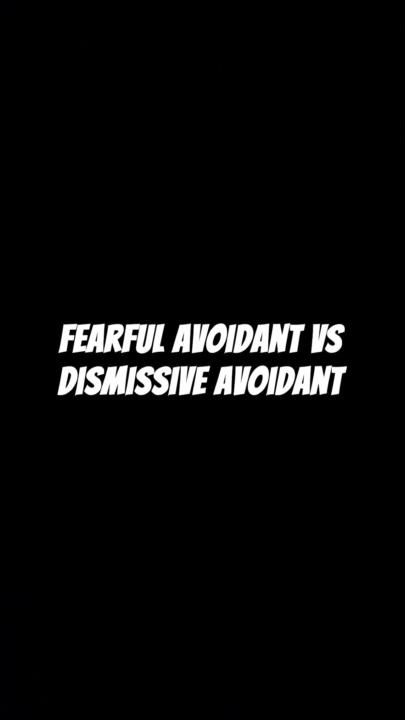
Fearful Avoidant vs Dismissive Avoidant - how to tell the difference 🤍
A lot of confusion comes from lumping all avoidants together. They’re not the same - and knowing which one you dealt with can bring huge clarity. Here’s a simple way to tell the difference 👇 Fearful Avoidant (hot + cold) They want closeness but are terrified of it. You’ll notice: - intense connection at first - vulnerability, emotional talks, “I’ve never felt this before” - pull away after things feel good - come back when they miss you - feel guilty for hurting you - say things like “I don’t know what’s wrong with me” Their nervous system is torn between wanting love and fearing it. This creates the push-pull cycle that leaves you exhausted. Dismissive Avoidant (cool + distant) They’re uncomfortable with dependence and emotional needs. You’ll notice: - slow or surface-level emotional connection - independence is everything - minimizes problems (“it’s not a big deal”) - shuts down during emotional conversations - rarely takes accountability - pulls away and stays gone - seems fine without you Their nervous system stays in self-protection mode, not longing. Why this matters for YOU Fearful avoidants can feel incredibly loving - which makes the loss confusing. Dismissive avoidants can make you feel unseen - which makes you question yourself. Neither is healed. Neither can meet you fully. But understanding the difference helps you stop blaming yourself. Gentle reminder 🤍 You didn’t imagine the connection. You didn’t “ask for too much.” You were responding to someone with limited emotional capacity. If you’re unsure which one you dealt with, drop a comment and we can gently decode it together. You’re not alone here.
2 likes • 9h
@Sydney Elliott 😂 totally get the urge to mentally rehearse that moment. Short answer: sometimes - but not in the way people imagine. Fearful avoidants are more likely to circle back when the emotional intensity settles. Dismissive avoidants are less likely to return, and if they do, it’s usually brief or conditional. The important part though? Whether they come back doesn’t change what they’re actually capable of staying for. So prep your peace more than your speech 😌
1 like • 9h
@Sydney Elliott Yes - absolutely. Many people are a blend, especially fearful avoidants. What you’re describing fits fearful-avoidant behavior very closely: - intense remorse and guilt - big apologies - begging you back when they feel loss - real emotional pain - followed by repeating the same shutdown patterns once closeness returns That’s the push–pull loop. The desire is real. The capacity is inconsistent. Feeling guilty and wanting you back doesn’t automatically mean they can show up differently long-term. Change only happens when they do the work - not when they feel regret. So your confusion makes complete sense. You weren’t imagining anything.

1 like • 18h
Such a good song !! lol
2 likes • 18h
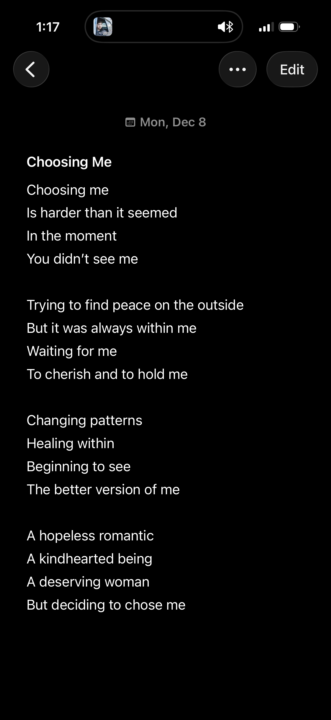
Was wondering when our morning poem would come !! This is really beautiful 🤍 You can feel the shift in it - from searching outside yourself to gently choosing yourself instead. The line about peace always being within you is powerful. That’s not something you write unless you’ve lived the pain of looking for it everywhere else first. Choosing yourself is hard, especially when you’re a kindhearted, romantic soul. But this reads like someone who’s beginning to hold herself with the same care she’s always given others. Thank you for sharing this here. ❤️🩹❤️🩹❤️🩹

2d •
Poems By Me 💕💜🫶🏻
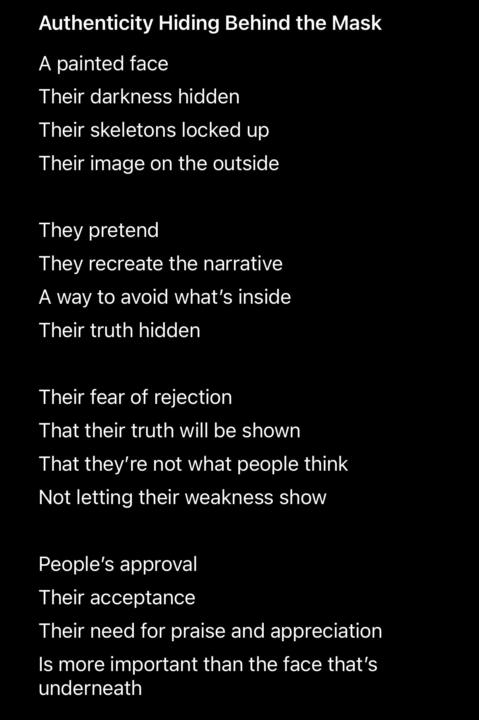
Being a very observant person can teach you how to see through other people’s masks. It’s called intuition and discernment. 🥴🤣 It’s called reading between the lines and watching people’s behavior. You begin to understand that people can pretend all they want but underneath the mask they created; there’s a deeper truth behind it. Have a wonderful Thursday and remember that authenticity is 🔑!
3 likes • 2d
You’re spot on. Most people don’t realize that “the mask” isn’t about deception - it’s about protection. Avoidants especially build entire personalities around avoiding being truly seen. Their image becomes their armor. When you’re observant and emotionally aware, you start noticing the cracks in the mask… the nervous ticks, the avoidance of depth, the inconsistencies in their story. That’s not intuition being dramatic - that’s your nervous system picking up on patterns their words can’t hide. Authenticity really is the key - not because it’s pretty, but because it’s the only space where real connection can actually happen. And most people aren’t ready for that level of honesty with themselves yet. Great post. This hit. ✨
2 likes • 18h
@Sydney Elliott It is intense! - and the exhaustion usually comes from caring deeply while holding awareness that the other person isn’t ready to meet you there. Seeing clearly doesn’t mean it’s your responsibility to carry or fix what you see. And choosing to stay authentic instead of shrinking or pretending is actually the healthiest choice you could’ve made. You didn’t lose anything by being fully you. You honored yourself. That kind of self-trust is strength, not loss. 🤍
5d •
Introduction Post: Beware it’s a long one
Hello! 👋 My name is Sydney, I am a 27 year old single mom to a 6 year old daughter. I started my healing journey in 2021 after my daughter’s narcissistic father and I ended it (badly). I have overcame a lot, grown and became stronger than I ever have been. I removed 99% of my family and friends due to protecting my peace, happiness, and overall growth. Fast forward to now; I am currently into one month since the breakup of my most recent avoidant ex of 5.5 months. I spent so much time investing into our relationship that I truly began to spiral. I am a small business owner; I currently clean for residential properties. The goal is to hit commercial properties in the future. So as someone that cleans for a living… I expect cleanliness in my home and relationships. This relationship was draining. I cleaned every room on the first floor of his house thinking that maybe he’d follow my lead in running a household; especially with my daughter being included. I even took the time to help clean his chaotic garage. I also mowed his whole yard more than once without asking. That’s just the kind of woman I am… I love to help others and make an impact. And with everything that I did…. From organizing, washing, drying, folding, putting the laundry away and even more; I became the mother, therapist, and maid. The All-In-One Combo; I’d call myself. I could barely get him to open up. From arguing, to blocking me from leaving the room, disrespectful comments, the shut downs, the grown man tantrums (crying and anger) came out each time I tried to leave the relationship. I felt sorry for hurting him with me ending it each time; coming back every single time. I know my worth. I know what I deserve but I still have sympathy and empathy because I know what it’s like to hurt on the inside. I thought that if he experienced my kind of light that maybe it would spark something in him but it honestly drained the life out of me. From stress eating to losing chunks of hair, hormonal acne to crying continuously and even having horrible sleep patterns. I felt so alone even when we were together or while he was passed out next to me in bed.
3 likes • 5d
@Sydney Elliott this is exactly why your story hits so hard. You didn’t just leave a relationship - you left a cycle you’ve been stuck in for years. And that takes more strength than people realize. That whole “I need space” moment says everything. Avoidants love using vague language because it lets them step back without taking responsibility for how it affects you. And the second they feel you might actually walk… suddenly the space disappears and they panic. That’s not stability, that’s emotional inconsistency. And it makes sense that you relapsed. When there’s history, when your daughter is involved, when the connection felt like it could be something… of course a part of you wanted to believe he’d finally show up the right way. That’s not weakness, that’s being human. But the most powerful thing you said was this: “My head isn’t as cloudy now.” That right there is clarity returning. That’s what happens when you’re out of the emotional fog long enough to see the pattern for what it was. Your daughter loving him is tough, I won’t lie. Kids feel the good parts of people without seeing the full picture. But what she really needs isn’t him - it’s stability. She needs a man who shows up for both of you, not someone you have to explain or carry. And honestly… nothing you missed makes you blind. You weren’t blind - you were hopeful. You wanted this time to be different. You wanted someone who felt like a partner instead of another person to rescue. That doesn’t make you naive. It makes you a giver. But even givers hit that moment where they realize “I can’t lose myself again.” The stuff with your daughter’s father just shows the pattern even more clearly. You’ve been forced to be the strong one, the responsible one, the emotional adult in every relationship. That gets exhausting. And it’s not your job anymore. What you’re doing now - choosing you, breaking the cycle, opening space for something healthy - that’s the real healing work. And you’re doing it with so much awareness already.
3 likes • 18h
@Sydney Elliott This is such an honest reflection, Sydney 🤍 What stands out to me is that you weren’t “running away” for no reason - your nervous system was overloaded from carrying emotional responsibility for two people. You can understand someone’s wounds, see their patterns, and still reach a point where your body says “this isn’t sustainable.” That’s not failure - that’s self-preservation. Owning your part doesn’t mean you were meant to stay longer or try harder. It means you’re aware enough now to break the cycle instead of repeating it. Both things can be true: You cared deeply. And the relationship asked too much of you. That awareness is growth, not guilt.
1-10 of 58

Active 6h ago
Joined Oct 22, 2025
Powered by