
Write something

29d •
HIAB Driver Acting as Operator and Lift Supervisor Without Any Briefing
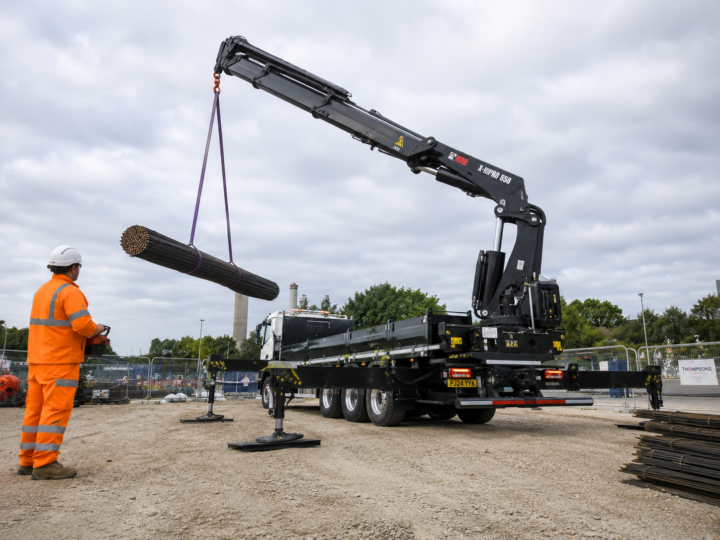
Incident Overview A HIAB lorry arrived on a construction site to move materials under what appeared to be a routine lifting operation. The lorry driver was also acting as the crane operator and effectively took on the role of lift supervisor, despite no formal coordination taking place. The slinger/signaller attending the lift was simply told to "crack on". No toolbox talk was delivered, no discussion took place regarding the lifting sequence, crane capacity, load weights, exclusion zones, communication methods, or emergency procedures. The lift plan, if available, was signed quickly without any meaningful review or verbal briefing. The operation relied entirely on experience and assumption rather than communication and planning. What Went Wrong No pre-lift toolbox talk delivered No verbal briefing provided to the slinger Roles and responsibilities never confirmed No discussion regarding crane capacity or lifting methodology No communication plan established between operator and slinger No confirmation of exclusion zones or pedestrian control Operation relied on assumption rather than planning Safety culture reduced to "just crack on" Key Lessons Learned Routine lifts still require proper planning and communication A toolbox talk aligns the entire lifting team before work begins Experience should never replace a safe system of work The slinger must understand the lifting method before attaching the load Good communication prevents incidents before they happen Safety Recommendations Conduct a toolbox talk before every lifting operation, regardless of size. Clearly define the roles of operator, slinger, and supervisor. Review the lift plan and lifting methodology with the entire team. Confirm communication methods and emergency stop procedures. Establish exclusion zones before lifting begins. If the lifting team has not been briefed, stop the lift until a proper briefing takes place. Incident Source Real construction site observation – UK HIAB lifting operation (2026).
0
0
May 28 •
Heat Stress, Poor Briefing & False Safety Confidence
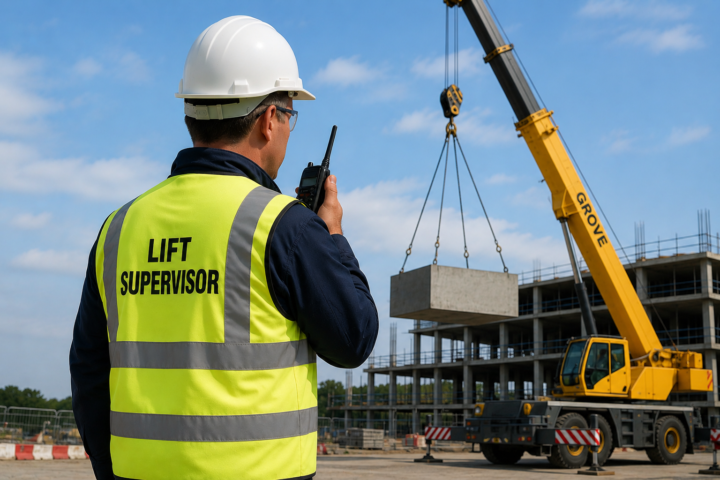
Incident Overview During two separate contract lift operations in Cambridge and Northampton, lifting personnel attended site under major crane hire companies supplying mobile cranes, operators, and lift supervisors. Despite the high-risk nature of the operations and extreme summer heat conditions, no proper verbal briefing was delivered before lifting activities started. Personnel were instructed to sign the lift plan and begin operations immediately. Two contract lifts, two different lift supervisors, two big names crane hire firms. No meaningful discussion took place regarding: •Crane capacity •Lifting methodology •Sling configuration •Roles and responsibilities •Site-specific risks •Heat stress management •Emergency arrangements •No post-lift briefing was carried out either. The operations continued throughout high temperatures with personnel exposed to direct sunlight and operational pressure without proper coordination or welfare discussion. What Went Wrong No verbal pre-lift briefing delivered No post-lift debrief completed Personnel signed lift plans without proper review or understanding No discussion about heat stress or sun exposure risks Roles and responsibilities poorly communicated No confirmation of lifting methodology or crane limitations Safety reduced to paperwork instead of active supervision False assumption that “big company” equals safe operation Key Lessons Learned A signed lift plan does not replace a real briefing Heat stress reduces concentration, awareness, and decision-making Lifting teams require communication, not just paperwork Professional appearance does not guarantee professional safety culture Contract lifts still require active supervision and leadership Safety Recommendations Deliver full verbal briefings before every lifting operation. Discuss site-specific risks including heat stress and fatigue. Confirm lifting methodology, crane limits, and personnel roles. Carry out post-lift debriefs to identify issues and improvements. Encourage lifting teams to challenge unsafe or rushed operations.
0
0
May 15 •
Tower Crane Lifting 7 Tonne Bags in One Lift
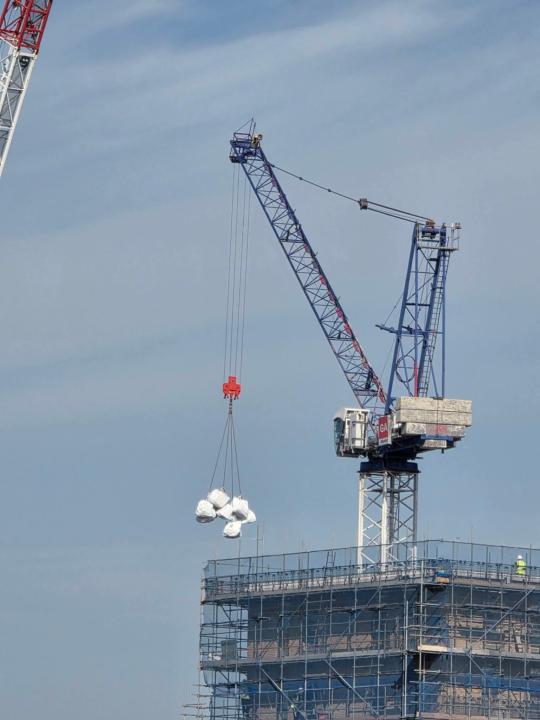
Incident Overview During lifting operations on a construction site, a tower crane was used to lift 7 tonne bags simultaneously approximately 25 metres above ground level using a single 4-leg chain configuration. The tonne bags were grouped together and lifted as one suspended load despite the bags being designed for individual lifting operations. No one checked the bag label! The lift created an unstable and unpredictable load configuration with multiple suspended points moving independently during the operation. Workers remained active below and around the lifting area while the lift was taking place. What Went Wrong Multiple tonne bags lifted together without approved lifting methodology 4-leg chains used on unstable grouped loads Load centre of gravity not properly controlled Individual bags free to move and shift independently Risk of bag collision and uneven loading during lift No evidence of engineered lifting frame or spreader beam Workers exposed below suspended load Lift created excessive dynamic movement at height Lift supervisor did not stop the lift operation as advised. Key Lessons Learned Tonne bags are generally designed for individual lifting only Grouping multiple suspended bags creates unpredictable load behaviour Chain angles and unequal loading can overload lifting accessories Dynamic movement increases dramatically when loads move independently Suspended loads above live work areas create severe risk exposure Safety Recommendations Lift tonne bags individually unless a designed lifting arrangement is approved. Use engineered lifting frames or spreader beams for grouped loads. Verify total load weight and individual load distribution. Establish and enforce exclusion zones beneath suspended loads. Ensure lifting methodology is clearly detailed within the lift plan. Stop lifting operations if load stability cannot be guaranteed. Incident Source Real construction site observation – UK lifting operation (2026). Tower crane observed lifting multiple tonne bags simultaneously using 4-leg chains at approximately 25 metres height.
0
0
May 13 •
Contract Lift Carried Out Without Full Site Coordination
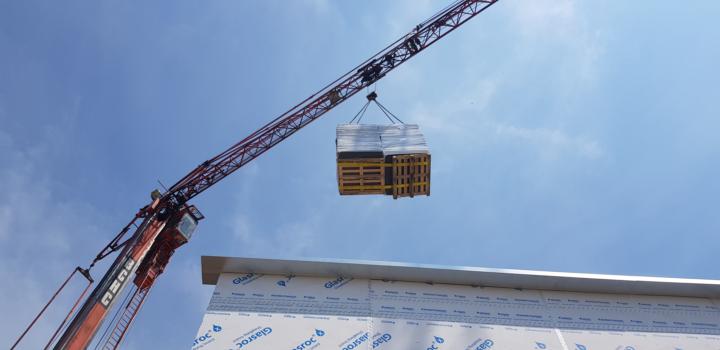
Incident Overview A contract lift was arranged for a busy construction project involving a mobile crane lifting Insulation pallets onto the roof of a multi-storey building. The crane company supplied the crane, operator, Appointed Person, and lift supervisor under a full contract lift arrangement. When the lifting team arrived on site, several critical conditions were not as described during the planning stage: •Access roads were partially blocked by deliveries •The agreed crane setup area was occupied by stored materials •Pedestrian routes crossed directly through the lifting zone •No exclusion barriers had been installed •Nearby subcontractors were unaware lifting operations were taking place Despite these issues, pressure from the project team pushed for the lift to continue to avoid delays. What Went Wrong Site conditions did not match the original planning information Setup area not maintained or protected by site management No effective coordination between contractors Exclusion zone not established before lifting began Pedestrians and workers allowed near suspended loads Pressure applied to continue despite unsafe conditions Contract lift responsibilities misunderstood by site team Key Lessons Learned A contract lift does not remove the client’s site responsibilities Site coordination is critical for safe lifting operations Unsafe site conditions can invalidate the original lift plan Pressure and programme deadlines create unsafe decisions If conditions change, the lift must stop and be reassessed Safety Recommendations Verify site conditions immediately before crane arrival. Maintain agreed crane setup and exclusion areas clear at all times. Ensure all contractors are informed of lifting activities. Stop lifting operations if the site no longer matches the lift plan. Clarify responsibilities between principal contractor and crane company before work starts. Incident Source Real contract lifting scenario observed on UK construction project (April 2026).
0
0
Apr 28 •
Tonne Bag Secured by Knot
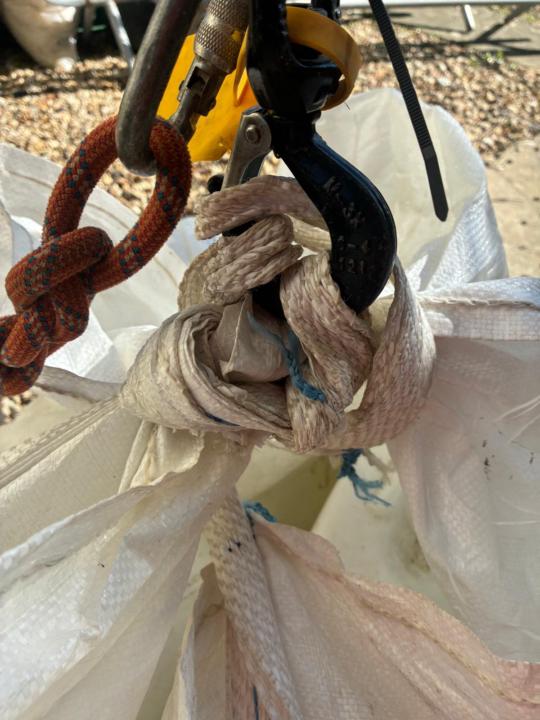
Incident Overview During a lifting operation, a slinger attempted to lift a tonne bag by tying a knot at the top of the bag, instead of using the designated lifting eyes provided by the manufacturer. The knot was used to “secure” the load and prevent it from falling out of the bag. No lifting accessories were connected to the lifting eyes. The bag had been previously used multiple times and contained full gas bottles, increasing the risk of catastrophic failure. There was no lift supervisor present, and the lift plan did not define any lifting methodology. What Went Wrong Tonne bag not lifted using manufacturer’s lifting eyes Load secured using a knot, not a rated lifting method Bag fabric and stitching took the full load instead of designed lifting points Bag reused beyond safe condition Gas bottles lifted in a non-approved container No lift supervisor present Lift plan missing lifting methodology Slinger demonstrated lack of understanding of safe rigging practices Key Lessons Learned Tonne bags are designed to be lifted only from certified lifting eyes Knots do not create a safe or rated lifting point Fabric and stitching are not designed to carry dynamic lifting loads Improvised methods increase risk of sudden failure Lack of supervision allows unsafe practices to happen Safety Recommendations Always use the manufacturer’s lifting eyes for tonne bags. Never tie knots or use fabric as a lifting point. Do not reuse tonne bags unless certified for repeated lifting. Never lift gas bottles in non-approved lifting containers. Ensure a competent lift supervisor is present during lifting operations. Lift plans must clearly define the lifting method and equipment required. Incident Source Real site observation – UK construction site (2026). Image evidence showing tonne bag secured by knot instead of using lifting eyes. Regulatory Mapping ● LOLER Reg. 4 – Lifting accessories must be suitable and used correctly. ● LOLER Reg. 8 – Lifting operations must be properly planned and supervised.
0
0
1-21 of 21
powered by
skool.com/wolf-lifting-dynamics-9548
This community shares real lifting case studies, consultancy insights, and site-proven lessons covering cranes, supervision, planning, and execution.
Suggested communities
Powered by