
Write something

7h •
Wahoo SHIFT fit
Looking for some advice from those with experience transferring a professional bike fit to a smart bike/trainer. I had a professional bike fit and I’m trying to replicate those measurements on my Wahoo KICKR Bike using the Professional Fit option. I entered the following numbers: - Saddle Height: 766 mm - Saddle Setback: -102 mm - Reach: 562 mm - Stack: 643 mm - Drop: -60 Values I used: SX: 102 mm SY: 752 mm HX: 562 mm HY: 692 mm Crank Length: 170 mm Wahoo’s numbers: Standover height: G Saddle height: 12.5 Setback: 0.7 Reach: 9.6 We recommend you purchase and install a +7° 130mm stem (31mm clamp) for best fit. Stack: 0.9 Crank length:172.5 The problem is that once I enter everything, the fit feels way off—especially the saddle height. My legs feel almost completely locked out at the bottom of the pedal stroke, which definitely wasn’t the case on my road bike. I’m wondering if I’m misunderstanding how these measurements are supposed to be entered, or if the KICKR Bike’s “Professional Fit” measurements are referencing something differently than my fit report. Has anyone run into this before? If so, what was the issue? Are there any common mistakes when transferring a professional fit to the KICKR Bike? Any advice would be greatly appreciated. Thanks!
0
0

Jun 10 •
Saddle Fore - Aft Adjustments
For years, I've been using the KOPS method of making fore-aft saddle adjustments which has yielded good results. It seems now the current practice is stepping away from the KOPS method to practicing balance, stability and position like in Neil Stansbury or Steve Hogg balance test. So, the question I have is how you would determine which method is best for the recreational cyclist?

17d •
Fore/aft balance test
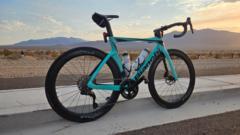
Going in drops then putting your arms back at your sides to test balance... Can this be done outside coasting? I suspect not, it was quite hard... A lot of work to swap bikes on the trainer
24d •
Training Plan Suggestions
Just got a power meter and I am trying to find a structure to increase my cycling fitness. My races are grand fondo/century rides. The issue is my work schedule. 3 days on, 4 days off, 4 days on, 3 days off. The hours I work are around 14 hrs per day with commute. How can I structure a cycling schedule with the limited "off" days back to back and little time on my work days?
May 27 •
People with long torso / short legs — how do you approach frame sizing and weight distribution?People with long torso / short legs
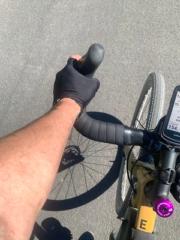
I bought a smaller frame and I'm working through the fit right now — longer stem, saddle setback, the whole thing. My proportions: long torso, short legs. My current problem is a bit of a double bind: I'm sitting too upright (too much pressure on the saddle) and at the same time I have too much pressure on my hands. I think it's a posture issue rather than pure geometry — weight isn't being supported through the core and ends up distributed badly in both directions. A few things I'm trying to figure out: Frame size Is "size down + longer stem + more setback" actually the right approach for this body type? Or does it create problems elsewhere (stack, handling)? Saddle setback More setback increases effective reach, so you need even more stem to compensate. Has anyone found a clean way to balance this? Drop Does a long torso mean you need more or less drop than average? I'm genuinely unsure here. Curious whether others with this body type have found a consistent approach.
1-30 of 36

skool.com/thebikefitacademy
A FREE space for Bike Fit advice led by Pro Bike Fitters. Post videos of your Bike Fit, join educational webinars, and discuss with other riders 🚴
Leaderboard (30-day)
1

+9
2
+4
3

+2
4

+1
5
+1
Powered by