
Write something

4d •
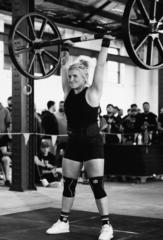
TRAINING INTENSITY ❤️🔥 Are you actually training hard enough?
One of the most misunderstood parts of training is intensity. Not how long you train. Not how sweaty you get. Not how exhausted you feel afterward. Intensity = how close you train to your true capacity. For strength and muscle-building, this usually means: - You’re finishing sets with 1–3 reps left in the tank - The last reps are slow, challenging, and require focus - You couldn’t casually add 5 more reps “if you had to” Here’s the important part 👇 Training too light won’t create enough stimulus for change. Too hard, too often leads to burnout, poor recovery, and stalled progress. The goal is effective intensity, not punishment. It's a balancing act. Ask yourself during your sessions: ✔️ Did I challenge the muscle, or just move the weight? ✔️ Did I stop because it was hard… or because it was uncomfortable? ✔️ Could I repeat this performance again next week? Progress comes from intentional effort, not empty fatigue. If you want results, train with purpose. You have to be paying attention to what is happening in your body, not chatting to your best mate at the same time. Loz 🐶
9d •
ASK US ANYTHING 🧠 🤓
Next week @Jayme Tambiah and I will be making a video to answer them all! Anything at all! ⬇️ Training Nutrition Goal setting Sleep Mindset Hacks Ask them on this thread and we’ll get to answering!
0
0

13d •
Scale trauma?
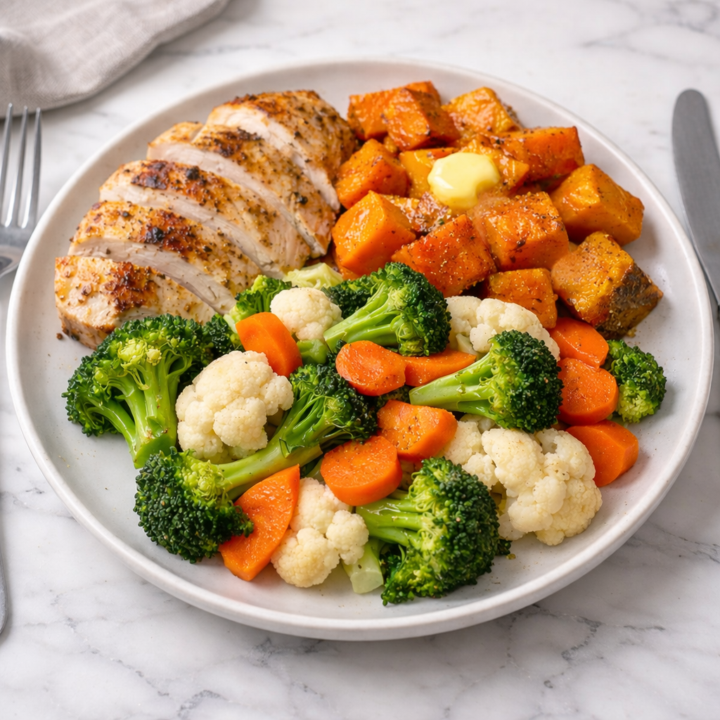
If you don’t have specific body composition or performance goals, this is a great, simple way to eat well, stay on track, and feel energised day to day. Think of your plate like this: 🥦🥕½ plate = Veggies Fresh, frozen or cooked — all count. The more colour, the better. 🥩🥚¼ plate = Protein Helps keep you full and supports muscle and recovery. Examples: chicken, fish, eggs, lean beef, tofu, Greek yoghurt, legumes. 🥔🍚¼ plate = Carbs Your main energy source. Examples: rice, pasta, potato, quinoa, sweet potato, pumpkin, bread. 🥑🥜+ A small amount of healthy fat Supports hormones and keeps meals satisfying. Examples: olive oil, avocado, nuts, seeds. Serving size should be about the size of the top of your thumb. What about mixed dishes like pasta? You don’t need foods separated on your plate. Just check the meal includes: - A solid protein source - remember the 1/4 plate rule - Veggies (don’t be shy here) - A sensible portion of carbs - remember the 1/4 plate rule If the dish is carb-heavy (hello pasta) you can reduce the portion of pasta and bulk up the meal by: - Add extra veggies to bulk up the dish - Make sure protein is front and centre - Choose tomato, meat, lentil or yoghurt-based sauces when possible 💡Tip - The scale isn't a punishment. It is a tool to help you learn what portions are right for your body. When used for education and not punishment, the scale can help you ensure you aren't overeating calorie dense foods such as olive oil and peanut butter and getting enough protein for your body and goal.
1-10 of 10
skool.com/theathletehub
Train like an athlete.
The Athlete Hub is where performance, nutrition, and mindset actually make sense.
Built for people who want to level up.
Leaderboard (30-day)
1

+4
2

+1
3

+1
4

+1
Powered by