
Write something
Pinned

33m •
This Week in AI...
This week, I show off some results of my Claude Cowork testing, the new Scribe v2 transcription model from ElevenLabs, and Midjourney's new Niji 7 model. Plus, I discuss the rising "AI for shopping" trend and OpenAI's new healthcare initiative. All that a more in the video, enjoy!
2
0
Pinned
2h •
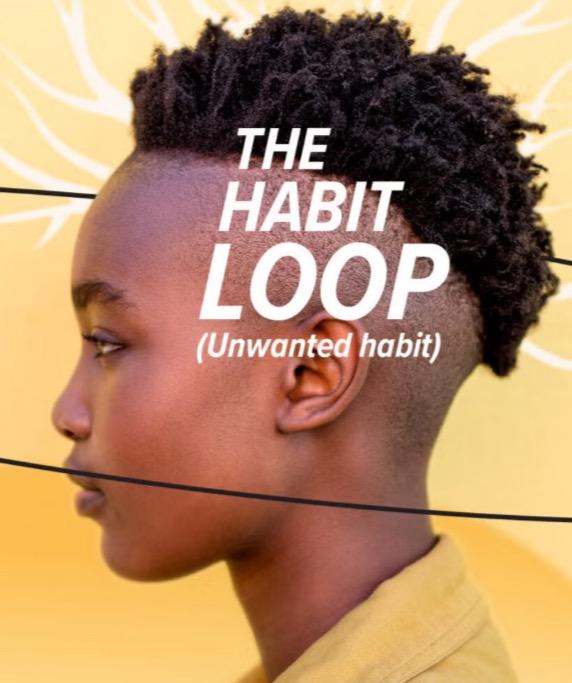
🔄 From One-Off Prompts to Habitual AI Use
Many people believe they are using AI because they have tried it. A prompt here, a draft there, an occasional experiment when time allows. But trying AI is not the same as integrating it. Real value does not come from one-off interactions. It comes from habits. AI delivers its greatest impact not when it is impressive, but when it is ordinary. When it becomes part of how we think, plan, and decide, rather than something we remember to use only when things get difficult. ------------- Context: Why AI Often Stays Occasional ------------- Most AI use begins with curiosity. We explore a tool, test a few prompts, and are often impressed by the results. But after that initial phase, usage becomes irregular. Days or weeks pass without opening the tool again. Each return feels like starting from scratch. This pattern is understandable. Without clear integration into existing routines, AI remains optional. It competes with habits that are already established and comfortable. When time is tight, optional tools are the first to be skipped. Organizations unintentionally reinforce this pattern by framing AI as an add-on. Something extra to try, rather than something embedded into how work already happens. As a result, AI remains novel, but not essential. The gap between potential and impact often lives right here. Not in what AI can do, but in how consistently we invite it into our workflows. ------------- Insight 1: One-Off Use Creates Familiarity Without Fluency ------------- Trying AI occasionally builds awareness, but it does not build intuition. Each interaction feels new. We forget what worked last time. We rephrase similar prompts repeatedly. Learning resets instead of compounding. Fluency requires repetition. The same way we become comfortable with any tool, language, or process, through use in similar contexts over time. Without that repetition, AI remains impressive but unreliable. This is why many people describe AI as inconsistent. In reality, their usage is inconsistent. Without patterns, there is no baseline to learn from.
Pinned

22h •
3 things I do every weekend to set up my week
I’ve learned this the hard way. If you wait until Monday to get focused, you’re already behind. Here’s how I set up my week before it starts: 1. I choose ONE win that mattersNot a to-do list. Not busy work. One outcome that actually moves my life or business forward. That goes on the calendar first. 2. I remove friction ahead of time I look at my week and ask,“What’s going to trip me up?” Too many meetings, distractions, low-energy days. I fix it now so I’m not relying on willpower later. 3. I reset my environment Desk clear. Calendar clean. Priorities visible. When Monday hits, I don’t want to think... I want to execute. This isn’t about discipline. It’s about design. Winning weeks are built before they begin. What about you? What’s the ONE thing you do to set yourself up to win the week ahead? Drop it below 👇

3m •
Introducing myself
Hello everyone I’m Afi Rodrique, an AI enthusiast with a strong interest in using artificial intelligence for practical problem-solving, creativity, and community impact. I’m here to learn, share ideas, collaborate, and grow with like-minded builders. Looking forward to meaningful discussions and collaborations.

🔥
13m •
Why Most Ads Fail Before the Targeting Even Matters
Most people don’t struggle with ads because they don’t understand targeting. They struggle because they can’t consistently produce ad creatives that stop the scroll. The message might be right.The offer might be solid.The audience might be perfectly defined. But if the visual doesn’t catch attention in the first second, none of that matters. And that’s where most ads fail. ---------- THE REAL PAIN ---------- Creating ad creatives is deceptively hard. Every ad needs to do multiple jobs at once. It has to interrupt attention, communicate value instantly, look credible, and feel intentional. That’s a tall order for a single image or graphic that often gets judged in under a second. For most people, this turns ad creation into a slow, frustrating process. You overthink layouts, second-guess visuals, tweak endlessly, or default to templates that feel generic. The result is usually “good enough,” but rarely compelling. And when ads don’t perform, it’s hard to know whether the problem is the copy, the targeting, or the creative itself. ---------- WHY AD CREATIVES ARE THE BOTTLENECK ---------- In practice, ad performance is often capped by visuals long before it’s capped by strategy. Platforms reward engagement. Engagement starts with attention. And attention is almost entirely visual at the first touchpoint. If the creative doesn’t earn that moment, the algorithm never gives the ad a chance. This is why great offers with weak visuals fail, while average offers with strong creatives sometimes win. The creative is the gateway. Everything else sits behind it. When ad creatives are hard to produce, testing slows down. Fewer variations get launched. Learning cycles stretch. Performance stagnates. ---------- THE HIDDEN COST OF WEAK VISUALS ---------- Weak visuals don’t just lower click-through rates. They undermine trust. People associate visual quality with legitimacy. Ads that look rushed, inconsistent, or generic trigger skepticism, even if the product is good. Subconsciously, viewers ask, “If they didn’t care about this, what else didn’t they care about?”
0
0

1-30 of 10,878

skool.com/the-ai-advantage
Founded by Tony Robbins, Dean Graziosi & Igor Pogany - AI Advantage is your go-to hub to simplify AI and confidently unlock real & repeatable results
Leaderboard (30-day)
1

+373
2

+358
3

+329
4

+206
5

+189
Powered by