
Write something
Pinned

44m •
How to Use Gemini Canvas in 2 Minutes
In this video, I show you how to use Gemini's Canvas tool to transform your chats into web pages, quizzes, infographics, and more. Canvas is one of Gemini's best tools and if you're going to be using Gemini in 2026, this is the first tool you should master! Enjoy the video :)
Pinned
45m •
🔍 Trust Is a System, Not a Feeling
We often talk about trust in AI as if it is an emotion we either have or do not have. But trust does not scale through feelings. Trust scales through systems, the visible structures that tell us what happened, why it happened, and what we can do when something goes wrong. ------------- Context: Why “Just Be More Careful” Is Failing ------------- As synthetic content becomes more common, many people respond with a familiar instruction: be more careful, double-check, trust your gut. That advice sounds reasonable, but it quietly shifts the entire burden of trust onto individuals. In practice, individuals are already overloaded. We are navigating faster communication, more channels, more content, and more urgent expectations. Adding constant verification as a personal responsibility does not create safety. It creates fatigue, suspicion, and inconsistent outcomes. The deeper issue is that the internet and our workplaces were built for a world where content carried implicit signals of authenticity. A photo implied a camera. A recording implied a person speaking. A screenshot implied a real interface. We are now in a world where those signals can be manufactured cheaply and convincingly. So the question becomes less about whether people can detect fakes, and more about whether our systems can support trust in the first place. When trust is treated as a personal talent, it becomes fragile. When trust is treated as an operational design problem, it becomes durable. ------------- Insight 1: Detection Is a Game We Cannot Win at Scale ------------- It is tempting to make trust a contest. Spot the fake. Find the glitch. Notice the strange shadow. Compare the audio cadence. This mindset feels empowering because it suggests that skill equals safety. But detection is inherently reactive. It assumes the content is already in circulation and now we need to catch what is wrong with it. As generation quality improves, the tells become fewer, subtler, and more context-dependent. Even if some people become excellent at detection, the average person will not have the time, tools, or attention to keep up.
2
0

Pinned

24h •
Ready isn't a feeling. It's a decision.
Over the years, I’ve noticed a pattern. Most people don’t get stuck because they don’t know what to do. A lot of times, they’re stuck because they do know what to do, they’re just waiting to feel ready before they move. They’re waiting for more confidence, or more energy, or more clarity, or for someone to tell them they’re on the right track. And honestly, that makes sense. It feels responsible. It feels smart. But what I’ve seen over and over is that action is what creates those things. Confidence doesn’t show up first. Clarity doesn’t magically appear. You move… and then those things start to follow. Fear doesn’t disappear. Doubt doesn’t go away. You’re still tired. You still wonder if it’s going to work. That part is normal. It doesn’t mean you’re doing it wrong. It usually means you’re right on the edge of something bigger. The people who end up creating extraordinary lives aren’t immune to that feeling. They don’t have some secret advantage. They just don’t let that discomfort be the thing that decides for them. They do it anyway. So if you’re feeling a little stuck right now, maybe the question isn’t “How do I feel more ready?” Maybe it’s “What’s one small step I could take today… even if I don’t feel ready yet?” And if you are feeling brave, drop it below so this community can hold you accountable.
1d •
🧠 Reality Fatigue Is Real: The Human Cost of Synthetic Media
We used to worry about whether a piece of content was true. Now we also worry about whether it is even real. The hardest part is not the deception itself, it is the slow erosion of trust that makes us tired, suspicious, and less willing to engage. ------------- Context: The New Burden We Did Not Ask For ------------- Synthetic media has moved from novelty to background noise. We see altered images, cloned voices, manufactured screenshots, and convincing video clips circulating with speed and confidence. The content arrives pre-loaded with emotional triggers, urgency, outrage, fear, admiration, and it demands a reaction before it deserves belief. Most conversations focus on the extreme cases, political manipulation, major fraud, public scandals. Those are real concerns, but they obscure the more common impact: everyday cognitive strain. People begin to second-guess what they are seeing. They hesitate before sharing. They start looking for hidden motives. Over time, that vigilance becomes exhausting. This is what we mean by reality fatigue. It is the emotional and mental wear of living in an environment where verification becomes a constant requirement. It is not paranoia, it is adaptation. The problem is that adaptation comes at a cost, and most teams are not naming that cost yet. In organizations, the effects show up quietly. Decision-making slows because people do not trust inputs. Relationships fray because people suspect manipulation. Communication becomes more guarded because nobody wants to be fooled. Even when a piece of content is legitimate, the atmosphere of doubt lingers. If we want responsible AI adoption, we have to treat reality fatigue as a wellbeing issue, not just a technical threat. ------------- Insight 1: The Threat Is Not Only Deception, It Is Doubt at Scale ------------- Deception harms in a direct way, but doubt harms in a systemic way. When people cannot reliably tell what is authentic, they stop relying on signals that used to guide them. Tone, facial expressions, screenshots, even recorded audio lose their meaning. The world becomes more ambiguous.


53m •
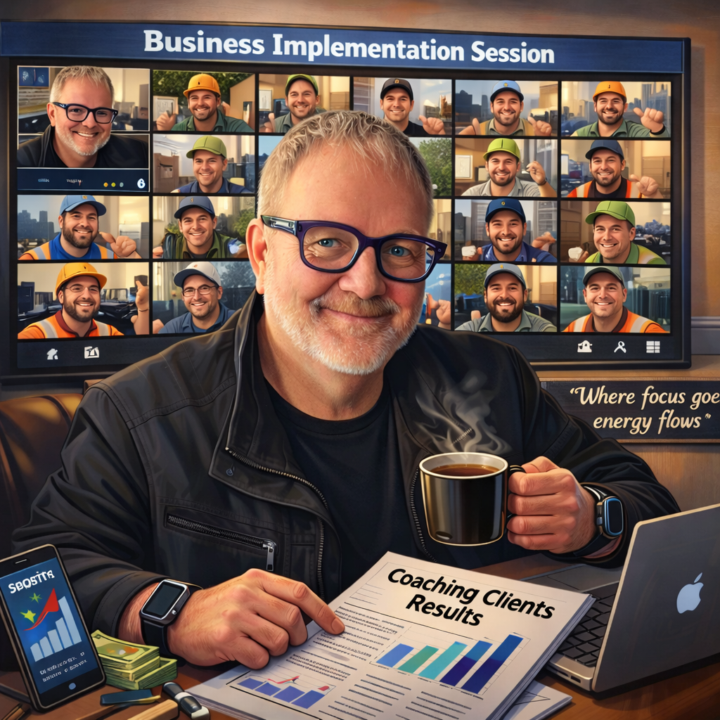
AI Caricature Challenge
Caricature Challenge Post 💚 This evening I've seen at least 5 people posting their caricatures done by GPT. Couldn't help it. Had to join the fun. Now it's your turn! Create your caricature and post it in the comments below. Here's the prompt: "Create a caricature of me and my job based on everything you know about me" Let's see what AI thinks you look like! 👀 🍀 Batch
1-30 of 11,352
skool.com/the-ai-advantage
Founded by Tony Robbins, Dean Graziosi & Igor Pogany - AI Advantage is your go-to hub to simplify AI and confidently unlock real & repeatable results
Leaderboard (30-day)
1

+234
2

+160
3

+143
4
+135
5

🔥
+114
Powered by