
Write something
Pinned

⭐
27d •
Frusturated with the monkey mind?
Unfortunatley, we weren't given a human users manual. We are rarely taught how to have a healthy relationship to thoughts... ... so they often drive us crazy because it feels like they are out of our control. At least, that's how it always felt with me. This year i've decided to build a new community to help those who struggle with the monkey mind find peace. If this resonates with you, we’d love to have you here 🙏 https://www.skool.com/monkey-mind-masters/about?ref=c8a8106c6f7148d99c2dc4330777ec2a

Pinned
⭐
Oct '25 •
Welcome (Start Here)
1️⃣ Mission 1: check out the Welcome Video — see what this movement is REALLY about. Click here 👉 https://www.skool.com/spiritual-rebels/about 2️⃣ Mission 2: Introduce yourself in the "meet friends" tab. (if you wish to be secret ninja, i won't judge.) 3️⃣ Mission 3: Share your questions with the community, and ELEVATE. 🤫 Super secret mission: Help build this community by providing feedback on what works, what you think could be improved, and what you'd like to see more of. ALSO: If you haven't downloaded the app, i encourage you to do so. Much easier to use. Much peace and many blessings, and remember... just 🐝
437
0

Pinned
⭐
Oct '25 •
Programs & upgrade
Monkey Mind Masters Community: Find relief from feeling stuck in your thoughts and break free from the monkey mind 👇 https://www.skool.com/monkey-mind-masters/about Monster Mind Mastery: End the inner war with your negative thoughts 👇 https://iamrey.store/monster-mind-mastery-program From Famine to Feast: Start your journey toward effortless abundance today. 👇 https://iamrey.store/abundance You've bought either of these already, send me a private message and i'll give you access. Stay blessed! 🙏
188
0

17h •
Hi I’m Emma
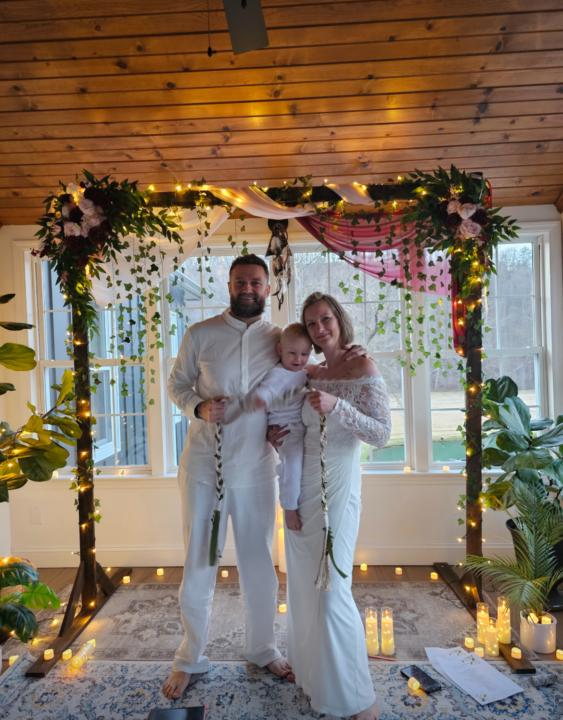
Grateful to be here with so many likeminded people! A judgement free space is my kind of place to hang out! I am a spiritual seeker and have been since I turned 36 (I’m almost 44 now). I work as a nurse and also run a Skool community with my gorgeous hubby @Michael Owen who is also in this group. Together we have a gorgeous 3 year old little boy! 💙 Here is a pic of us 3 on our hand-fasting wedding day 💗 Looking forward to connect 🫶🏻

17d •
Movie
Question for my friends here! What is your favorite movie, or documentary?? It’s Ok to have several favorites….because I do! I’ll go first…. 1. Interstellar 2. Excalibur (1981) 3. The Matrix….all of them 4. Spring, Summer, Fall, Winter and Spring 5. Kingdom of Heaven 6. Twilight Samurai 7. What the Bleep do We Know 8. So many more….but these are likely my top! Not necessarily in that order!💕
1-30 of 1,482
skool.com/spiritual-rebels
Welcome to the spiritual revolution 😎
Leaderboard (30-day)
1

+250
2
+173
3

+139
4

+135
5
+86
Powered by