
Write something
Jun 8 •
Possible outreach in DC
Sorry, haven't posted in a while. New job and all that. Anyway, I'm in the DC area and was thinking about starting small (to see what the 'demand' is like), like maybe an outreach program with outreach bags like Ben, Jessica, and their group does. I could probably get my church to help pay for this. Any recommendations/thoughts are welcome. Happy Monday.

Apr 29 •
Media coverage
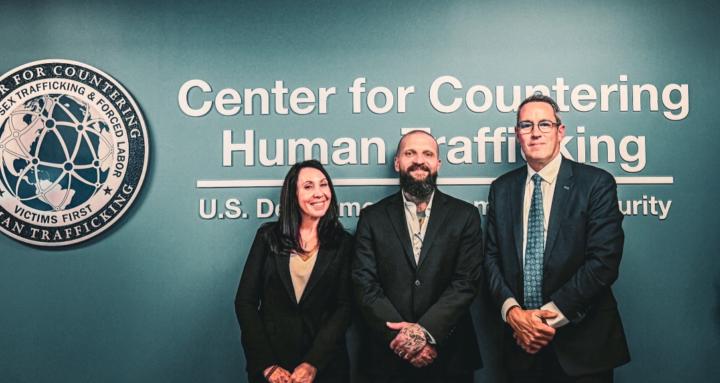
Holy frijoles, my social media feed has blown up with articles of Ben's recent trip to (infiltration of?) of the infamous island. Glad you're home safe, Ben. I'm intensely curious to know if there was something specific you were looking for because somehow I doubt it was simply a publicity stunt (though even that would be brilliant), but I'm content in living in curiosity, I know if there's anything to say it'll be said when it's time. I got butterflies in my stomach when I first saw that Ben and Ryan had joined forces in this collaboration. I don't know if everyone out there really comprehends how very real and forward moving this all is. These efforts being powered by men and women of intensely strong conviction and action working together... Gives me goosebumps. Be careful and stay safe. If anyone knows what y'all are truly up against, it's you guys. You all have my genuine admiration and support in any way I'm able to give it.
Apr 12 •
Meaning of Courage
I’ve been thinking about how people define courage. Most of what we see comes from the outside. Athletes pushing through injury. Movies showing dramatic acts of bravery. Loud moments that look powerful. But that’s not the full picture. Courage without discipline becomes chaos. And discipline without courage becomes paralysis. The kind of courage that actually matters is quiet. It’s the pause before you react. It’s staying in control when things get chaotic. It’s being able to think clearly and still act when fear is there. Anyone can rush into something. That’s easy. But to stay disciplined… to understand what’s really happening… and then choose your moment to act, that’s different. That’s where real power lives.
1
0
Apr 6 •
Making Epoxy Items for Charities & Nonprofits
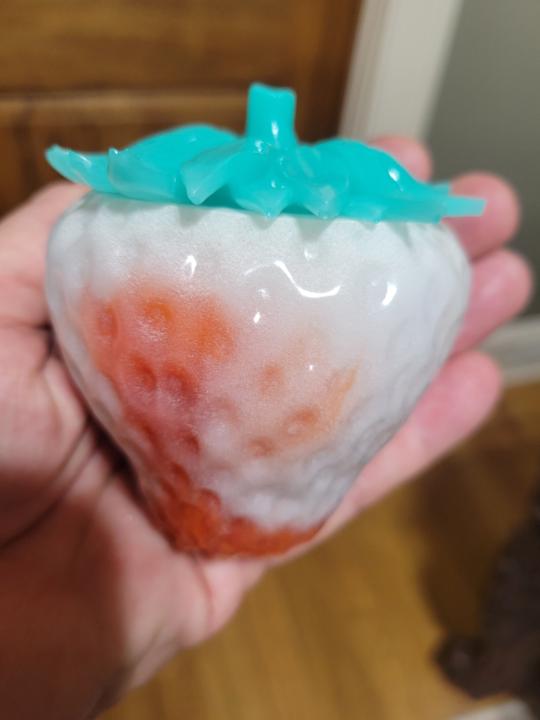
This is what I do in my spare time at night. I make hundreds of epoxy items for volunteer hand outs and silent auctions for various nonprofits and charities. I will make over 500 items for the following charities this year: *Lake Lanier Association *Keep Hall Beautiful *Chattahoochee River Keepers *Paddle 4 Tomorrow *Banks County Chamber of Commerce *Senior Citizens Center
Mar 29 •
A little update…
The past few weeks have been heavy. Not the kind of heavy people see… the kind you carry quietly. The kind that sits in your chest, follows you into your thoughts, and makes even the simplest things feel like a fight. Between what’s happening in Lebanon, the memories that come with it, the losses, the images that don’t leave… me at war in Iraq, various critical incidents I’ve dealt with at work….it caught up to me. More than I expected. And I’ll be honest… there were moments I didn’t want to get up. Moments where my mind was louder than anything around me. But here’s the part people don’t talk about. There’s no crowd when you’re fighting that battle. No recognition. No one sees the decision to get up anyway. No one sees you take that breath and push yourself back into the day when everything in you is telling you to shut it down. That’s the real fight. And the past few days, that’s exactly what it’s been for me. Quiet. Internal. Grinding. Running when I didn’t feel like it. Training when my mind was elsewhere. Forcing myself to move, to reset, to take back some level of control. Because I know what happens if you don’t. You don’t need motivation for that fight. You need discipline. You need to make the decision that you’re not staying in that place… even when it would be easier to. Some days it’s not about being at your best. It’s about not giving in. So if you’re in that place right now… understand this: Getting up counts. Taking a step forward counts. Choosing not to stay in the dark… that counts. I’m working through it. Still am. And if you are too… keep going.
1-30 of 69
skool.com/owenarmy
We train others to combat human and narcotics trafficking, how to turn dope houses into hope houses, and how to transform pain into purpose.
Powered by