
Write something

13d •
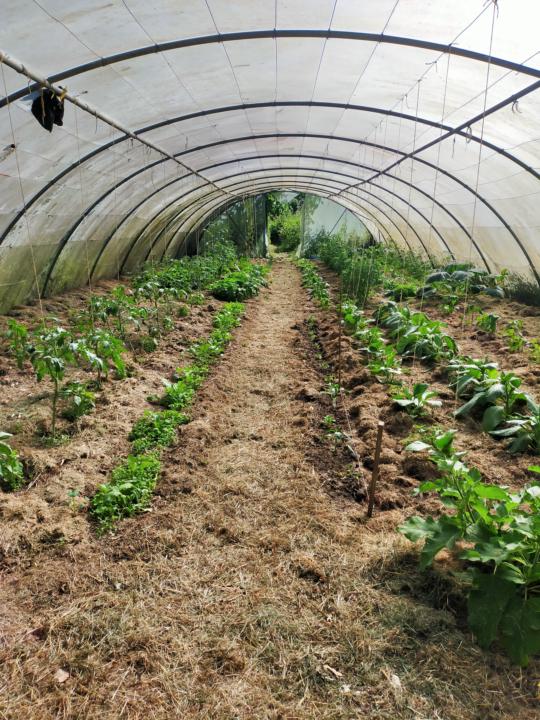
Polytunnel climate
We have discussed protected growing environment issues, like water , mulch, ventilation and area, here is some figures from the end of a hot day , mid June at 18h in the evening. Last watering 20 hours ago and under the grass mulch it's still moist.(Total area 100sqm). Amount of water given 220l by watering can. Daytime temperature 30 degrees Celsius. Temperature now inside the tunnel 28 degrees. Temperature outside only two or three degrees less. Conditions of tomato plants, slightly wilting. Soil temperature 23 degrees . I would consider this to be adverage in all aspects, and the performance of the environment, to me , seems good. No disease, or pests and steady uniform growth, could be a little more advanced in growth, but the plants were small when planted and it was quite late (21 days ago)up to the last frost date.

🔥
19d •
The Moisture Check Beats the Watering Schedule
Last week I wrote about watering the soil system, not just the plant. The next step is learning to check what the soil is doing before adding more water. A watering schedule can be useful, although the garden does not live by the calendar alone. Heat can pull moisture out faster. Wind can dry the surface even when the lower soil still has water. Mulch can slow evaporation and protect the soil. Larger plants need more water because they are moving more moisture through their leaves. Soil texture changes how water moves and holds. Organic matter helps the bed act more like a sponge. Rain may count toward the weekly need, but only if it soaks into the root zone. Root depth matters because shallow roots dry out faster. Shade can lower stress and slow water loss although also slows photosynthesis. The top of the soil may look dry while the layer underneath is still holding moisture. The surface may also look fine while the root zone is getting too dry. That is why we check before we water. Pull the mulch back so you can see what is happening below the surface, not just what the sun and wind have dried on top. Feel the soil below the surface because your hand will often tell you more than the calendar. Watch how fast water soaks in because slow soaking usually means the bed is receiving water well. Notice if water runs off because that often means the soil surface is sealed, sloped, compacted, or being watered too quickly. Notice if water puddles because the bed may already be saturated or may not have enough air movement through the soil. Notice if water disappears too quickly because dry soil, sandy soil, or unfinished organic matter may not be holding moisture yet. Look at the plants in the morning, not only during the hottest part of the day. Morning tells us more about the actual moisture condition. Afternoon wilt can happen during heat stress even when there is still moisture in the soil, especially with young plants, shallow roots, or sudden hot weather. The goal is not to keep the surface wet all the time.
🔥
24d •
Do you overhead water?
Do you water your garden where the foliage and soil get wet? Please add clarification in the chat... Thank you
Poll
14 members have voted
🔥
23d •
New Thought on my Watering Experiment
By varying the water to tomato beds from 1/4" - 1" per week equivalent, am I just training drought resistant tomato plants or am I determining how much water a tomato plant needs?
1-30 of 41
powered by

skool.com/oasis-builders-8012
Oasis Builders helps busy families grow healthy food, herbs for medicine, and gain calm confidence for everyday readiness.
Suggested communities
Powered by