

11d •
Your Go-to Fixed Oil
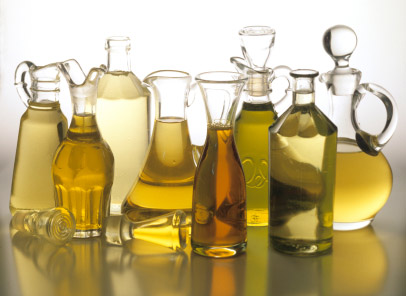
If you could only choose 2 and I do mean TWO fixed oils as your go to mediums, what are they and WHY have you chosen them? You CANNOT choose Jojoba (as thats an easy choice), nor can you choose an oil blend such as Trauma (Arnica, Calendula, St.Johns Wort combo) oil.
6d •
Your hair is an extension of your nervous system
With thanks to @Ewa Skabek who shared the following post on Fb that prompted this post. https://www.facebook.com/groups/708603999996081/posts/2160679508121849 See photo 1. Same thing happens with an earthquake. Mother Nature's "nervous system" giving off electrical charges as she has her hissy fit and re-sets it! Oh, and another reason why Native American's were exempt from having their hair cut when they joined the military many decades ago..... they regarded their hair as their antenae. "Hair is an extension of the nervous system, it can be correctly seen as exteriorized nerves, a type of highly evolved ‘feelers’ or ‘antennae’ that transmit vast amounts of important information to the brain stem, the limbic system, and the neocortex." from the link below. Worth the read, as it explains the tests the American Military did on Native American Scouts during the Vietnam War. https://thehairshaman.com/symbolism/native-americans/the-truth-about-hair-and-why-indians-would-keep-their-hair-long/?fbclid=IwY2xjawSsbQlleHRuA2FlbQIxMABicmlkETBORzZYY1ZxUmJZemZQZkJ3c3J0YwZhcHBfaWQQMjIyMDM5MTc4ODIwMDg5MgABHrk9kc-wJRgWccd-LT9mIUCEt0AqOVWsseDmzjli7JVE9TWd2GO0hSrWSiR-_aem_B7w3wU-RkCXz_0Ye54CjsQ#:~:text=So%20the%20document%20recommended%20that,trackers%20keep%20their%20hair%20long So, do you have long or short hair? Do you realise adding product and hair dye suppresses your "external nervous system? Did you know the only place your actual nervous system is directly exposed to external influences, is in your nose? Hence the reason some people can "smell" an impending thunder/lightening storm.
20h •
Registrations are now open....
Registrations are now open if you want to be a qualified Aromatherapist or level up to Clinical Aromatherapist. https://www.thenaturalapproach.biz/diplomas-certificated-courses/ Aromatherapy, Essential Oil Practitioner and Reflexology incorporating 54 EO Diploma's are a 1 year courses. Clinical Aromatherapist, Clinical Essential Oil Practitioner and Clinical Reflexology Diploma's are 2 year courses. Contact me direct for full application details, course syllabii and interest free payment plans. (Pic nicked from IFPA.)
4
0
4d •
A Balancing Diffuser Blend
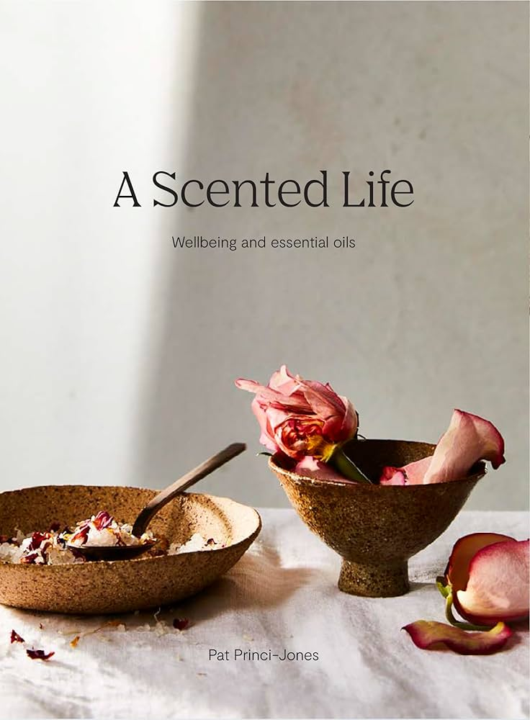
This diffuser blend is not one of mine, but by Aromatherapist Pat Princi-Jones from her book A Scented Life: Aromatherapy Reimagined. The blend is called Balance. Geranium's rosy scent is balancing. Combined with other treasured florals, it helps comfort the heart and regulate the hormones. - 2 drops Rose Geranium (Pelargonium graveolens var roseum) - 2 drops Roman Chamomile (Chamaemelum nobile) - 2 drops French Lavender Vera (Lavandula angustifolia) - 2 drops Rose Otto (Rosa x damascena) - 2 drops Tangerine (Citrus reticulata var. tangerine) * My Notes: (had some help with A. I specifically focus on the Ayurvedic Doshas and Chinese Principles as I am not that familiar with Eastern concepts. * If you don't have Tangerine, you can substitute it with either Red Mandarin (Citrus reticulata), or if you don't have it, just use Sweet Orange (Citrus sinensis) essential oil. This also makes a beautiful massage blend if you add it to a Jojoba (Simmondsia chinensis) or Sunflower oil (Helianthus annuus). Add all essential oils to 30mls (1 fl oz) of fixed oil, and you will get a 1.66% dilution. The Aroma/Pefumery Notes: I simply love the aroma of this particular blend with its heavy middle/heart notes. It uses the sparkling, zesty, joyful, and opening top note Tangerine, clean, herbaceous, and balancing middle note French Lavender, Sweet, fruity-green apple-like middle note Roman chamomile, fresh, green, leafy-rose Medium-base note Rose Geranium, and deep, rich, floral, sensual, very rosy Base Note Rose Otto, which acts as a fixative in this formulation. The first impression of smelling this blend is that I get a sense of brightness, with a splash of joyful citrus and a clean, relaxing herbal drift. As it diffuses, the citrus fades into a rich, green, nectar-like floral aroma. It reminds me of my Italian Grandmother's sun-warmed garden filled with fresh cullinary herbs, her various apple varieties she grew, and her beloved rose bushes.
2d •
First Aid & Other Safety Recommendations for Aromatherapists
Often, when people are writing articles or book chapters on the subject of what materials and items they need to have to begin an Aromatherapy Clinic/Dispensary, as well as what qualifications are required to become a Certified Clinical Aromatherapist (CCA), they often leave out one of the most important things: First Aid and Safety Qualifications. First Aid can be a bit of a tricky subject to discuss for the simple fact that, depending on where your business is operating from (state, country, etc), the qualifications, safety regulations, etc. surrounding First Aid can greatly differ. Though I will be pointing out some General Workplace First Aid information here with an Aromatherapy twist, it is important that, as a Clinical Practitioner, you attain the necessary qualifications and skills as set out by your local educational and regulatory bodies on the subject. As I am Australian, this article will lean more towards Australian practice than any other, though I have attempted to discuss First Aid certification from the USA and the UK. Please check with your local Aromatherapy/CAM association or Regulatory bodies, as I am not an expert on these countries. This article will start by giving a summary of certifications you may be required to undertake as a Clinical in Australia, the United Kingdom, or in the United States of America (Outside of your Aromatherapy certification). Some Aromatherapy Certifications and Associations recognized Aromatherapy certifications will require students to learn these as part of the various modules/subjects taught within their Aromatherapy Qualification. Some Aromatherapy Certifications and Associations do not include these additional training modules/subjects at all. After this, I will provide a summary of some common first aid procedures specific to Aromatherapy. When in doubt, or even when you're confident in how to handle these adverse reactions or situations that may come up, it’s a good idea to call the following relevant numbers during an incident:
2
0

1-30 of 144
powered by
skool.com/maverick-aromatherapy-3200
Putting your health back in your hands.... through Complementary Therapy and Essential Oils for novices and therapists alike.
Suggested communities
Powered by