
Write something

Nov '25 •
How do you build muscle but lose body fat?
This is one of the most researched things in the fitness world, yet no one has the silver bullet still. Here's my take on it... Train a lot, lift consistently, and move often. High protein + healthy fats + lower carbs — and putting most of the carbs before training. Here’s why it works: 1. It keeps insulin lower When insulin is high, the body basically locks stored fat away. On the other hand, lowering carbs (especially the random snacks and sugar) helps your body switch into fat-burning mode. 2. Protein keeps you full and protects muscle If you’re lifting, protein isn’t just important—it’s essential. It helps recovery, keeps cravings down, and supports lean muscle growth. 3. Healthy fats = stable energy Foods like avocado, eggs, olive oil, nuts, fatty fish, etc., give you long-lasting energy without the blood sugar rollercoaster. 4. Timing carbs before your workout boosts performance A small amount of carbs 60–180 minutes before training helps, It’s like fuelling the gas tank before the drive, instead of after. Rough structure: - Morning: high protein + fats (low carbs) - Before workout: protein + carbs (fruit, sweet potato, oats, rice) - After workout: protein - Evening: protein + veg + fats Simple. No crazy meal frequency. No constant snacking. Optional bonus: Keeping your eating window to 8–10 hours can help even more with energy, hunger, and fat loss. Final takeaway: Don't think of this as a diet, think of it as a strategy to get, and stay lean. What part of nutrition do you struggle with the most?

Dec '25 •
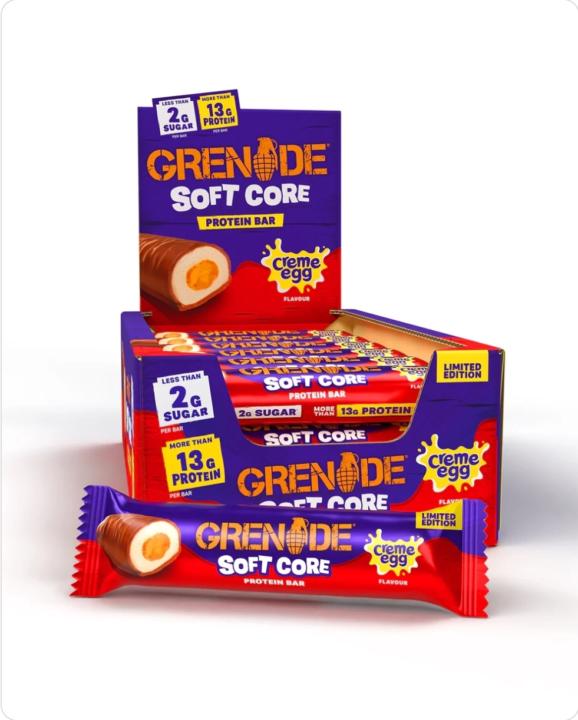
Don't be fooled
Are we still wondering why people fail to hit their fitness goals when they fall for this? Which of these ingredients do you think you need to recover from a workout? By all means, if you take no interest in your health, and you want to eat someones science experiment, then just eat a normal chocolate bar, you don't need a chocolate bar with 13g of poor quality protein in. Protein Blend (Calcium Caseinate (MILK), Whey Protein Isolate (MILK)), Sweeteners: Maltitols, Sucralose; Humectant: Glycerol; Bovine Collagen Hydrolysate, Rapeseed Oil, Cocoa Butter, Polydextrose, Whole MILK Powder, Water, Cocoa Mass, Bulking Agent: Gum Arabic; Emulsifier: Lecithins (SOY); Flavourings, Colour: Carotenes; Concentrates (Sweet Potato, Carrot). .

Dec '25 •
Pre and post workout meals
What do you like to eat before your workouts, and what do you usually go for after training? I always find it interesting to see what experienced coaches actually do
Nov '25 •
Question about nutrition
Hey TJ, I have a question about nutrition and would love your perspective. I train a lot every week. I do around 6 sessions minimum, usually 3 Muay Thai sessions and 3 gym sessions. Sometimes I even end up doing 4 Muay Thai sessions plus 3 gym days if the week is good. I am 26 years old, 1.92m (about 6 foot 3) and currently 104 kg. My main goal is to lose fat, stay strong, and get a more lean look. It has been working well so far because I stay in a caloric deficit and I managed to lose 12 kg in the last two months. My question is about the meal plan. How should someone with my training volume eat? Should I keep calories lower but increase protein a lot, reduce carbs, keep fats moderate? Or is there a better approach for someone training both strength and Muay Thai? I want to make sure I lose fat but keep as much muscle and performance as possible. Thanks in advance, TJ. I appreciate your guidance.
Nov '25 •
Let's talk sugar
Fancy a sweet treat? Well... Here is a list of the major negative effects excess added sugar has on the body: Metabolic & Hormonal ----- Causes insulin resistance Increases risk of type 2 diabetes Promotes metabolic syndrome Leads to fatty liver disease (NAFLD) due to high fructose metabolism Disrupts hunger hormones (ghrelin ↑, leptin ↓) → more cravings Increases belly fat (visceral fat) Cardiovascular ----- Raises triglycerides Lowers HDL (good) cholesterol Increases blood pressure Damages arterial walls (promotes atherosclerosis) Increases risk of heart disease and stroke Brain & Mental Health ----- Impairs cognitive function Linked to memory decline Increases risk of Alzheimer’s disease (sometimes called “type 3 diabetes”) Stimulates reward pathways (can create addictive behaviours) Linked to higher rates of depression and anxiety Inflammation & Immune Function ----- Triggers systemic inflammation Increases oxidative stress Suppresses immune function short-term after consumption Weight & Body Composition ----- High-calorie but low-nutrient (promotes weight gain) Increases water retention and bloating Promotes loss of muscle insulin sensitivity (harder to lose weight or build muscle) Skin & Aging ----- Causes glycation (AGEs) (accelerates skin aging, wrinkles, loss of collagen) Worsens acne via hormonal and inflammatory pathways Gut & Digestive System ----- Feeds harmful gut bacteria Disrupts microbiome balance (dysbiosis) Increases risk of leaky gut and inflammatory bowel responses (especially fructose) Cancer Risk ----- Promotes obesity Increases insulin and IGF-1, which can stimulate cancer cell growth Increases chronic inflammation Oral Health ----- Feeds harmful oral bacteria (cavities and tooth decay) Contributes to gum inflammation Energy & Performance ----- Causes rapid energy spikes followed by crashes Reduces sleep quality Impairs metabolic flexibility (body’s ability to burn fat efficiently)

1-7 of 7
powered by
skool.com/los-angeles-fitness-coach-4171
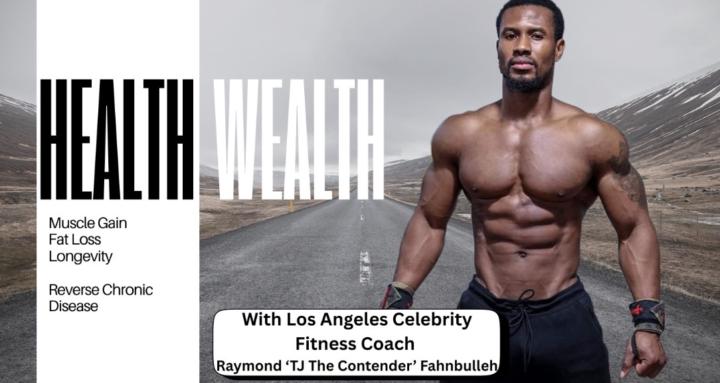
Hollywood Celebrity Diet & Fitness Coach 'TJ' Helping You Take Back Control Of Your Health, Diet and Fitness, Live Long, Live well, Join Now For FREE.
Suggested communities
Powered by